> At a Glance
> – UV-blocking sunglasses cut cataract risk and block eye cancers
> – 20-20-20 rule (look 20 ft away for 20 s every 20 min) eases screen strain
> – Outdoor time lowers kids’ odds of nearsightedness
> – Why it matters: Simple daily choices can preserve vision and prevent age-linked eye disease
Small tweaks to daily routines can pay big dividends for long-term eye health, according to guidance from the American Academy of Ophthalmology and American Optometric Association.
Shade Your Eyes
Ultraviolet light stacks up damage year after year, raising chances of cataracts, eyelid cancers and growths around the eye. Wrap-around, polarized lenses with gray or smoke tint block the most UV and glare, making them the best pick for any outdoor activity.
Give Screens-and Books-a Break
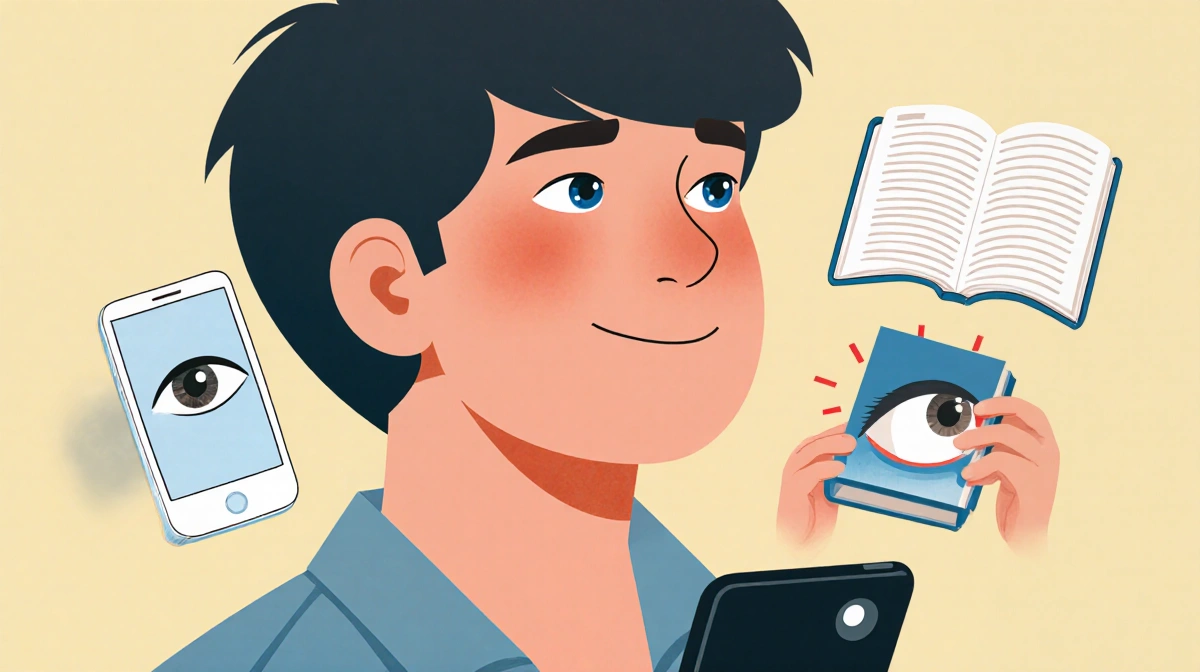
Staring at monitors or pages held close forces eye muscles to stay locked, triggering dryness, headaches and blurred vision. The 20-20-20 rule helps: every 20 minutes, glance at something 20 feet away for 20 seconds. Set a phone alarm if you tend to stay locked in; the same pause works for both digital displays and paper books.
Move Your Body
Regular cardio keeps blood vessels in the retina healthy. The CDC advises 150 minutes of moderate aerobic exercise weekly plus two strength sessions, a habit tied to lower rates of glaucoma and diabetic retinopathy.
Skip the Cigarettes
Smokers face two-to-three-times higher odds of cataracts and up to four-fold higher risk of age-related macular degeneration, the CDC reports. A personalized quit plan can start erasing those added dangers.
Eat the Rainbow
Nutrients that shield ocular cells are found in everyday foods:
- Vitamin A & β-carotene: carrots, sweet potatoes, mango
- Vitamin C: citrus, strawberries, bell peppers
- Vitamin E: almonds, avocado, sunflower seeds
- Omega-3s: salmon, sardines, trout
- Lutein & zeaxanthin: spinach, kale, broccoli, eggs
- Zinc: beans, lean meats, oysters
While supplements of lutein and zeaxanthin are promoted online, check with your physician before adding pills.
Hands Off Your Eyes
Rubbing can inflame tissue, worsen dryness and even thin the cornea over time. Fingers also ferry germs that cause conjunctivitis. Use lubricating drops or saline instead, and always wash hands before inserting contact lenses or touching your face.
Remove Makeup Nightly
Sleeping in mascara or liner clogs lash follicles, inviting blepharitis. Wash it off every night, replace cosmetics after any infection, and never share eye makeup or tools.
Key Takeaways
- Sunglasses are daily medicine for your eyes
- 20-20-20 pauses cut both screen and book strain
- Exercise and balanced meals protect retinal blood vessels
- Smoking cessation rapidly lowers eye-disease odds
- Good hygiene-no rubbing, clean hands, fresh makeup-prevents infection
Consistent, low-effort habits can keep vision sharp well into later life, according to the eye-care guidance compiled by News Of Los Angeles.