> At a Glance
> – Dirty windshields and misaligned headlights spike nighttime glare
> – AAA says clean glass weekly; Mayo Clinic urges headlight-alignment checks
> – High beams help on rural roads but hurt in rain or fog
> – Why it matters: Simple upkeep and habit tweaks can prevent crashes when darkness cuts vision
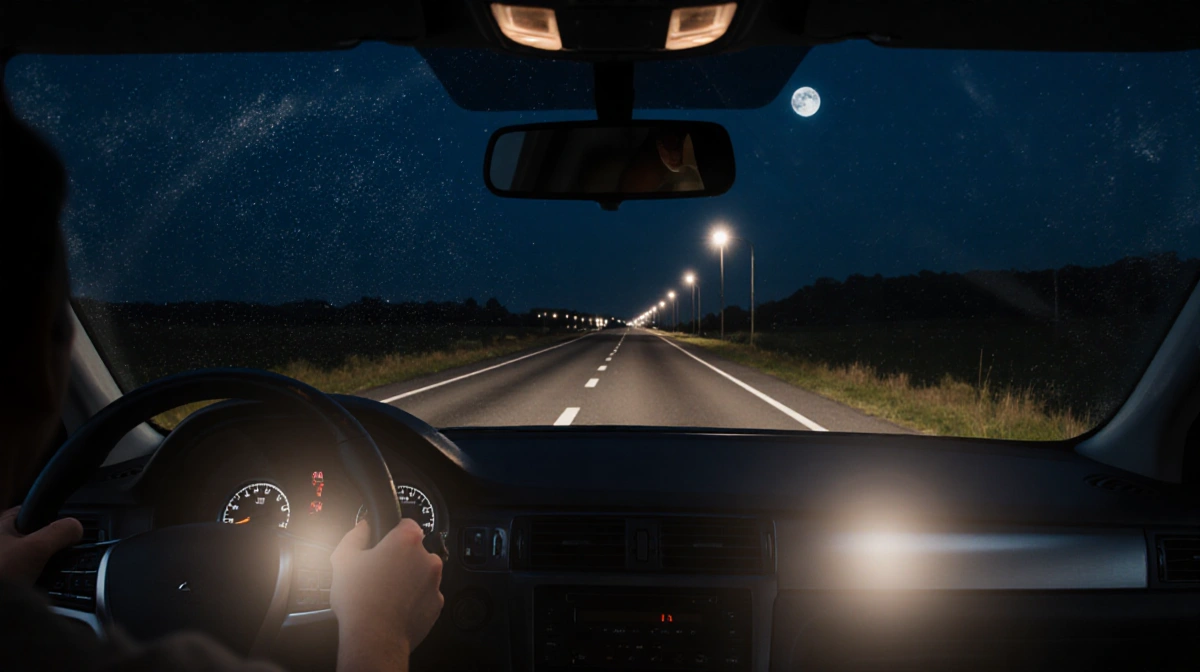
Night driving gets riskier in winter, but quick maintenance and cabin tweaks can sharpen your view after sunset. Below are the key changes drivers can make tonight.
Clean What You Look Through
A grimy windshield scatters oncoming headlights into blinding halos. AAA advises washing glass weekly and skipping rain-repellent coatings that add nighttime glare.
- Wipe washer nozzles and wiper blades so they don’t streak.
- Polish headlights with a damp cloth to remove dead bugs and road dust.
Use High Beams-But Only When They Help
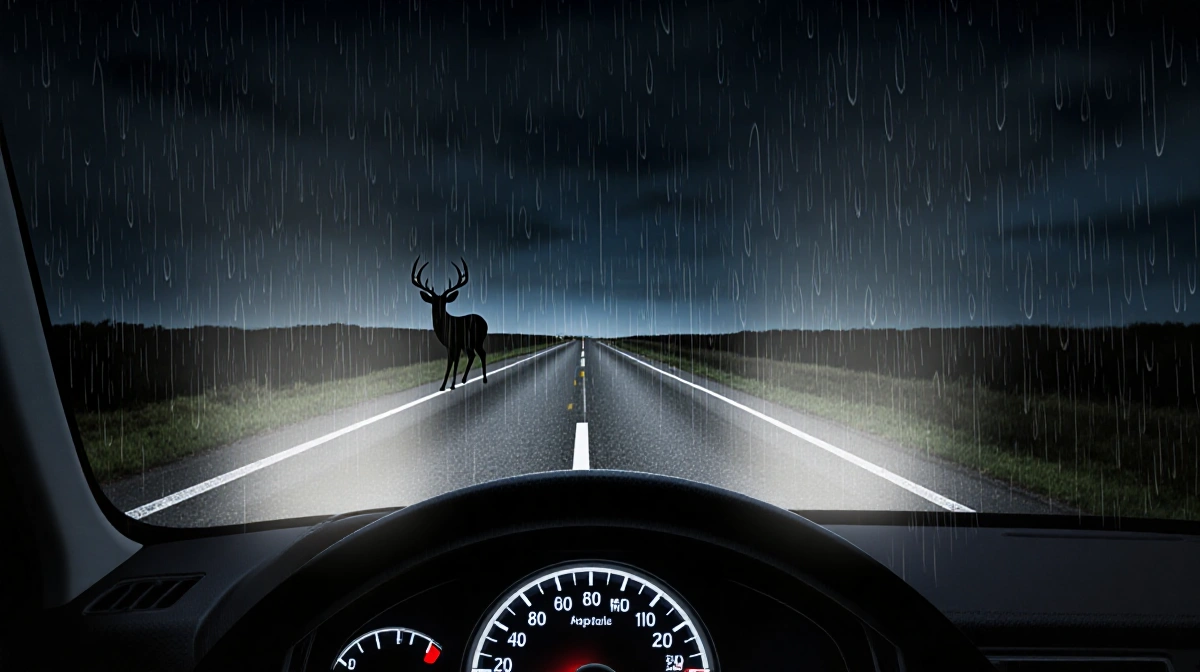
The National Safety Council backs high beams on open rural stretches where deer may appear. Switch them off:
- In rain or fog
- When cresting hills
- When rounding corners
Adjust Your View Inside the Car
Dim dash lights and turn off dome lamps. Bright interior lighting shrinks night vision and reflects on the windshield.
Keep Glasses Crystal Clear
Smudged lenses scatter light the same way dirty windshields do. Clean specs with microfiber cloths and mild soap; skip shirt tails that scratch.
Anti-reflective coatings cut headlight flare, but skip yellow “night-driving” lenses unless your optometrist approves-some pros warn they can dull vision.
Add Space and Alertness
- Extend following distance; headlights illuminate only so far.
- Expect fatigue after daylight-saving shifts-blurred vision is an early sign.
Key Takeaways
- Clean windshield + clean headlights = less glare
- High beams help on empty rural roads, hurt in weather
- Dim interior lights and keep glasses spotless for sharper night vision
- Increase following distance to buy reaction time
Small habits beat pricey gadgets: wash, align, dim, and give yourself room to react once the sun goes down.