> At a Glance
> – A dozen everyday foods naturally carry live probiotics-no pills required.
> – Labels reading “live cultures” or “active cultures” are the fastest way to spot them.
> – Fermented picks range from yogurt and kefir to kimchi, miso, and even certain cheeses.
> – Why it matters: Swapping in any of these staples can support digestion, immunity, and overall well-being without a major diet overhaul.
Gut health buzz keeps growing, but the fix may already be in your fridge. Registered dietitian Gillean Barkyoumb of Plexus Worldwide explains that probiotics-live “good” bacteria-balance the microbiome by encouraging helpful microbes and crowding out harmful ones. The twist: you can eat them instead of supplementing them, provided you know which cart items to grab.
12 probiotic heavy-hitters on store shelves
Yogurt with live and active cultures remains the easiest entry point. Most tubs carry L. acidophilus, a strain linked to better gut flora and smoother digestion.
Other fermented standouts:
- Kefir-tangy, drinkable, and richer in probiotics than yogurt.
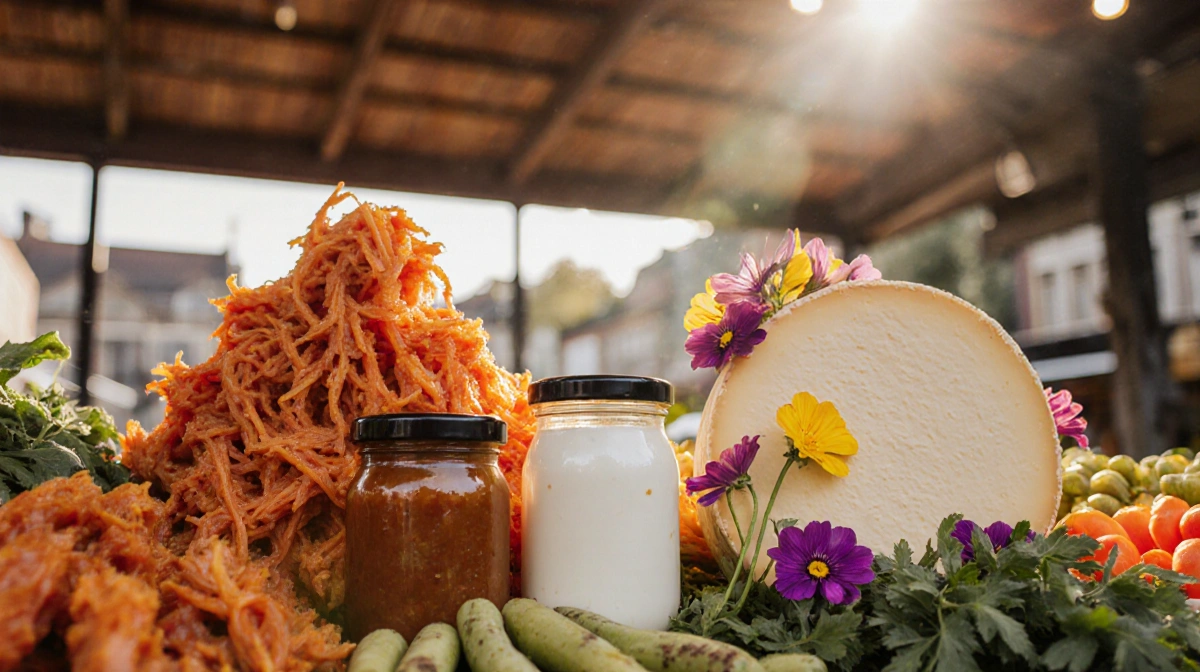
- Kimchi-Korean vegetable mix linked to anti-cancer, cholesterol-lowering, and immune benefits.
- Sauerkraut-choose refrigerated, salt-fermented versions; canned or vinegar-based jars lose the bugs.
- Miso-soybean paste that flavors soup and sauces.
Pickled options can work too, but only if they’re fermented, not just brined. Scan labels on:
- Refrigerated pickles
- Pickled vegetables like Mexican escabeche or Italian giardiniera
Surprising sources
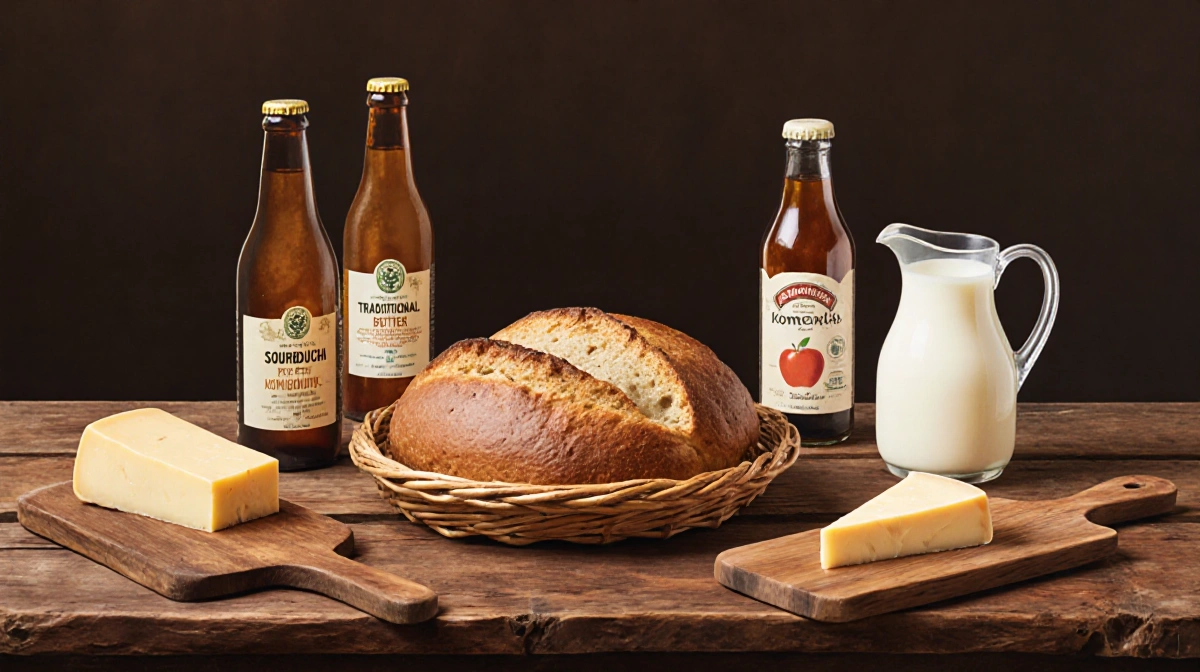
- Sourdough bread-the starter culture delivers lactic acid bacteria plus prebiotic fibers.
- Kombucha-fermented tea marketed as an “immortal health elixir” for its amino acids and hangover-easing reputation.
- Aged cheeses-Swiss, Gouda, cheddar, Edam, Gruyère, provolone, and cottage cheese that skip post-aging heat treatment.
- Traditional buttermilk-the leftover liquid from churning butter, not the thicker cultured kind.
- Apple-cider vinegar-twice-fermented juice that adds probiotics to dressings and marinades.
Shopping checklist before you check out
Look for the phrases “contains live cultures” or “contains active cultures” on packaging. Refrigerated versions usually indicate fermentation; shelf-stable jars often rely on vinegar or pasteurization that kills bacteria.
Anyone with digestive disorders or medical conditions should loop in a doctor before piling plates high with new fermented fare.
| Quick label decoder | Likely has probiotics | Skip if… |
|---|---|---|
| Yogurt | “Live cultures” listed | Heat-treated after culturing |
| Sauerkraut | Refrigerated, salt only | Canned with vinegar |
| Pickles | Fermented claim on label | Shelf-stable, high-sodium jars |
High-fiber produce-bananas, onions, garlic, raspberries-add prebiotics that feed the new bacteria, doubling the gut benefit.
Key Takeaways
- Fermented dairy, vegetables, and even some breads deliver billions of probiotics per bite.
- Labels trump marketing: the magic words are “live” or “active cultures.”
- Mixing probiotic foods with fiber-rich produce feeds the fresh microbes for longer-lasting gut support.
Start small-swap your usual sandwich bread for sourdough, trade one daily snack for kefir or kimchi, and let your microbiome do the rest.