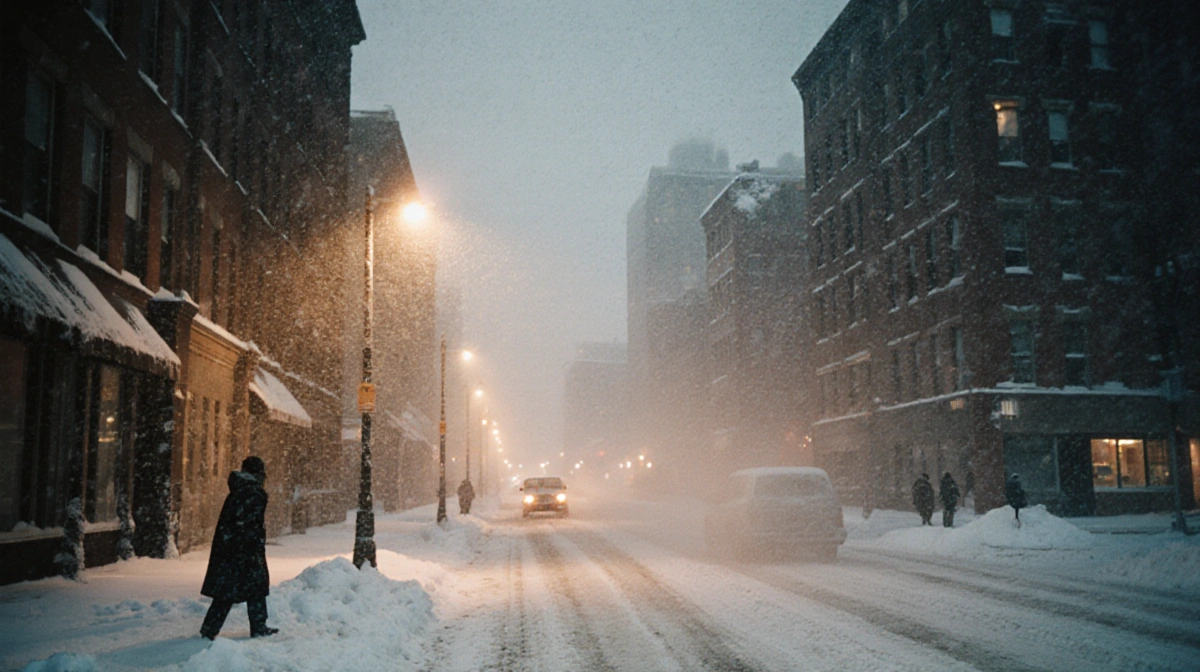
Thirty years ago, a January nor’easter slammed the East Coast, dumping up to 48 inches of snow and turning cities from South Carolina to Maine into ghost towns.
> At a Glance
> – A three-day nor’easter struck Jan. 6-8, 1996
> – New York City measured 24 inches; rural West Virginia hit 48 inches
> – 60 deaths and $600 million in damage across 18 states
> – Why it matters: The storm still holds Newark Airport’s longest shutdown on record and remains a benchmark for modern snow events
The blizzard’s timing and track produced historic totals: Philadelphia neared 31 inches, its highest on record, while Washington’s federal offices closed for nearly a week under President Clinton’s order.
Digging Out
Cleanup crews faced mountains of powder and bitter cold. Across eight states, stranded drivers waited on highways like Massachusetts’ Route 93 while volunteers shoveled lanes free.
Air travel froze nationwide:
- Newark Airport shut down under 27 inches of snow
- Luggage piled up as flights trickled to a stop
- The airport’s closure remains its longest ever
City Life Paused
Urban routines flipped overnight. New Yorkers skied down empty avenues and navigated single-file paths on Fifth Avenue. In D.C., teens sledded the Capitol steps while tourists still trekked to memorials.
Power crews raced to restore electricity as fallen trees snapped lines across New England. Even after skies cleared, narrow sidewalks and buried cars kept neighborhoods moving at a crawl.
| Location | Snow Total | Notable Impact |
|---|---|---|
| New York City | 24 in | Skiing on West End Avenue |
| Philadelphia | ~31 in | Record single-storm snowfall |
| Rural West Virginia | 48 in | Highest regional totals |
| Washington, D.C. | ~20 in | Federal shutdown, sledding Capitol |
Key Takeaways
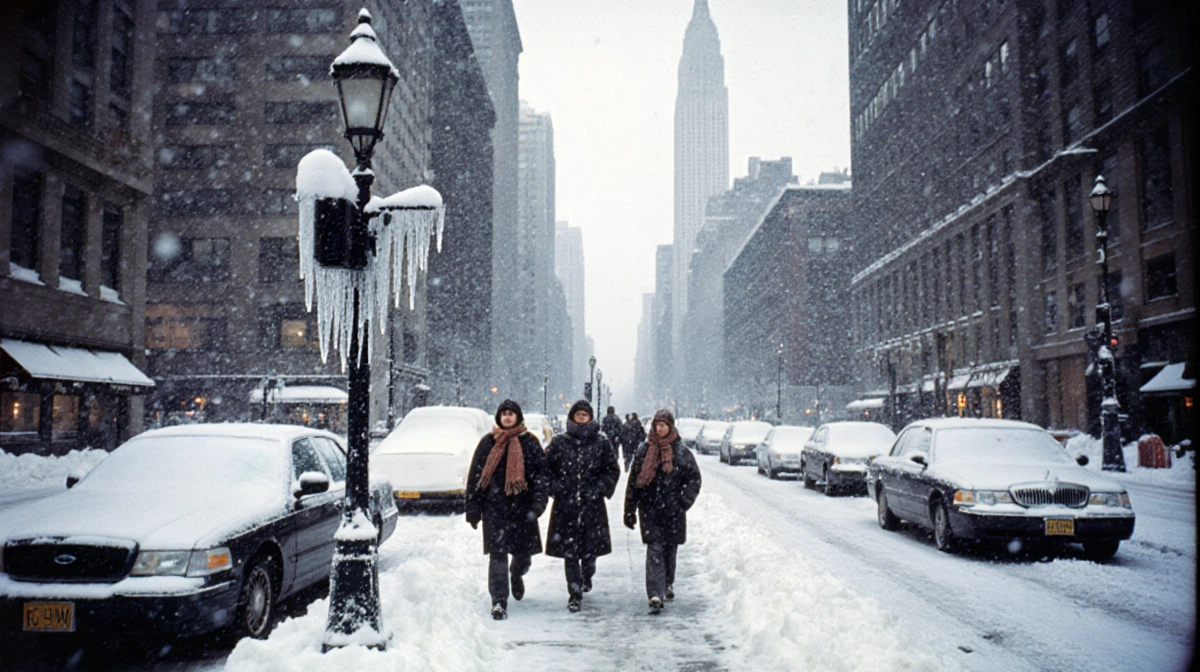
- The Blizzard of 1996 set snowfall records still unbeaten in several cities
- Transportation networks, from highways to airports, needed days to restart
- Community teamwork-neighbors shoveling together-defined the recovery
The storm’s scale and impacts remain a yardstick for forecasters and historians measuring modern winter extremes.