> At a Glance
> – 2025 ranks among the three hottest years on record.
> – The 3-year temperature average surpassed the 1.5 °C Paris Agreement limit for the first time.
> – 157 extreme weather events were identified, including deadly heat waves and widespread flooding.
> – Why it matters: Rising temperatures and more frequent extremes threaten lives, economies, and the ability to adapt worldwide.
Scientists report that 2025 has become one of the planet’s hottest years, marking the first time the 3-year average has crossed the 1.5 °C threshold set by the Paris Agreement. The World Weather Attribution study, released Tuesday in Europe, links the surge to continued fossil-fuel emissions and a series of record-setting extreme events across the globe. These findings underscore the urgency of limiting global warming to safeguard billions of people.
Record-Breaking Heat and Extreme Weather
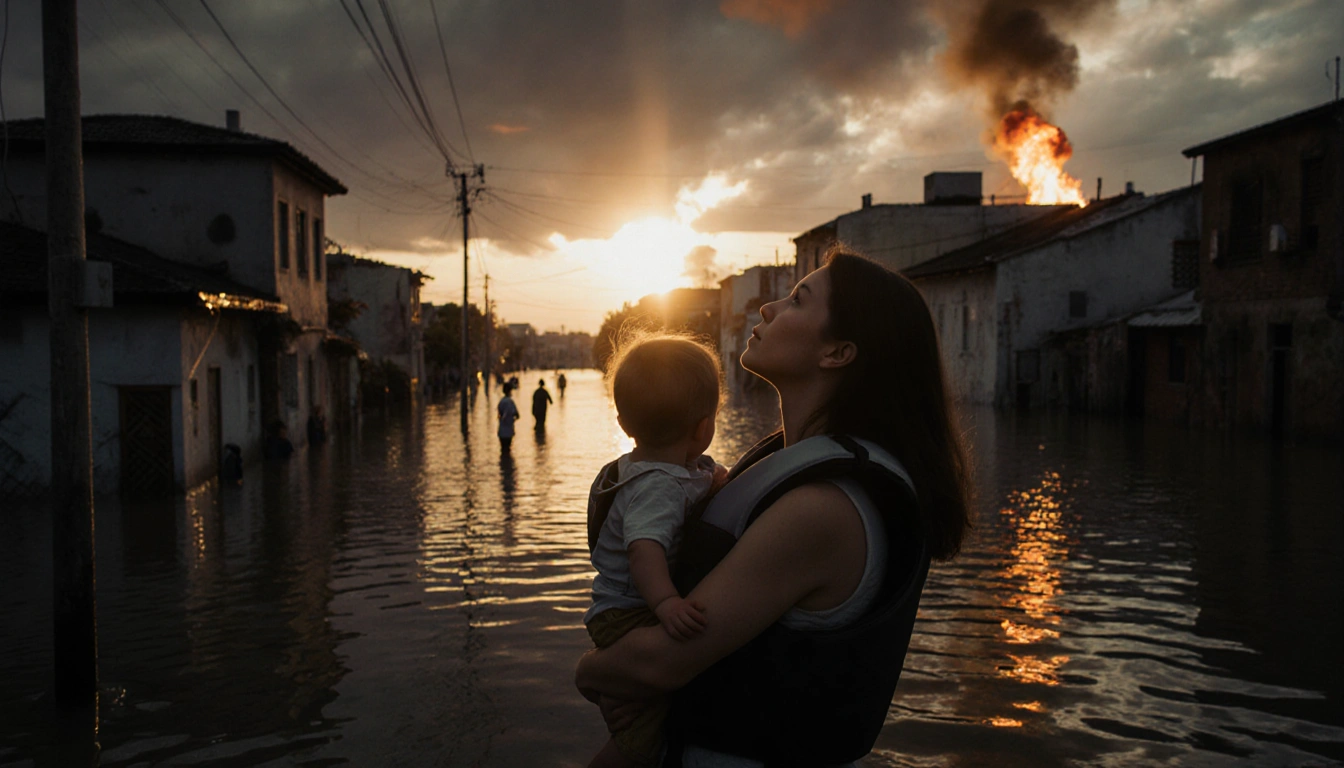
The World Weather Attribution team identified 157 extreme weather events in 2025, 22 of which they examined in depth. The most devastating were heat waves, which the researchers say are now ten times more likely than a decade ago. Other severe events included drought-driven wildfires in Greece and Turkey, catastrophic flooding in Mexico and India, and Super Typhoon Fung-wong that forced over a million evacuations in the Philippines.
- Heat waves – deadliest events, 10× more likely than a decade ago
- Wildfires – Greece and Turkey, driven by prolonged drought
- Flooding – Mexico, dozens dead, many missing
- Typhoon Fung-wong – Philippines, >1 million evacuated
- Monsoon floods – India, floods & landslides
- Hurricane Melissa – intensified rapidly, devastating Jamaica, Cuba, Haiti
| Event | Region | Impact |
|---|---|---|
| Heat waves | Global | Deadliest, 10× more likely |
| Wildfires | Greece & Turkey | Drought-driven |
| Flooding | Mexico | Dozens dead, many missing |
| Typhoon Fung-wong | Philippines | >1 million evacuated |
| Monsoon floods | India | Floods & landslides |
| Hurricane Melissa | Caribbean | Rapid intensification, severe damage |
Challenges to Adaptation and Global Negotiations
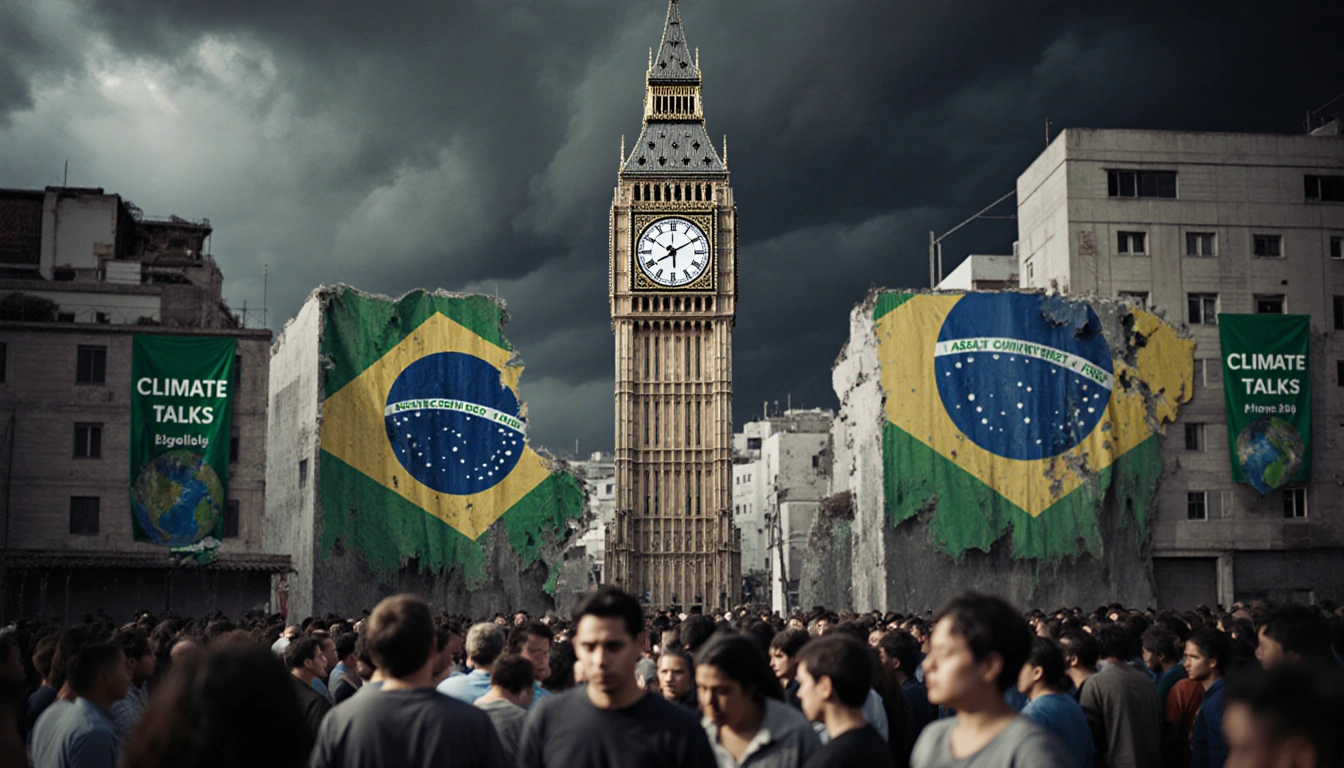
The study warns that the frequency and severity of extremes are pushing the limits of adaptation, meaning communities may lack sufficient warning, time, and resources to respond. The United Nations climate talks in Brazil in November concluded without a clear fossil-fuel transition plan, even as additional adaptation funding was pledged.
- UN talks ended without fossil-fuel transition plan
- Adaptation funding pledged but implementation will lag
- China invests in renewables and coal
- US under Trump favors coal, oil, gas over clean-energy policy
- Mis-information and fossil-fuel industry interests cloud global response
- Progress being made, but more action is needed
Friederike Otto stated:
> “If we don’t stop burning fossil fuels very, very, quickly, very soon, it will be very hard to keep that goal” of warming, the science is increasingly clear.”
Friederike Otto added:
> “The heat waves we have observed this year are quite common events in our climate today, but they would have been almost impossible to occur without human-induced climate change.”
Friederike Otto noted:
> “The geopolitical weather is very cloudy this year with a lot of policymakers very clearly making policies for the interest of the fossil-fuel industry rather than for the populations of their countries, and we have a huge amount of mis-and disinformation that people have to deal with.”
Andrew Kruczkiewicz said:
> “Places are seeing disasters they aren’t used to, extreme events are intensifying faster and becoming more complex. That requires earlier warnings and new approaches to response and recovery.”
Key Takeaways
- 2025 becomes one of the hottest years on record, breaking the Paris Agreement limit.
- 157 extreme events identified; heat waves most deadly, 10× more likely.
- Global climate talks failed to set a fossil-fuel transition plan; adaptation funding lagging.
The findings highlight the urgent need for rapid decarbonization and stronger international cooperation to protect vulnerable populations from an escalating climate crisis.