
At a Glance
- Filing for 2025 tax returns begins Monday, Jan. 26, 2026.
- Refunds arrive in two to three weeks after acceptance, or by March 3 for certain credits.
- Final federal deadline is April 15, 2026; extensions available until Oct. 15, 2026.
Why it matters: Filing early can speed refunds and avoid penalties.
The 2026 tax season has officially started, and taxpayers can begin submitting their 2025 federal income tax returns today. The IRS has opened the filing window, giving everyone a chance to file early and receive refunds faster. If you’re waiting for money back, the sooner you file, the sooner you’ll see it.
When Can You File?
The IRS announced that the first day to file 2025 tax returns is Monday, Jan. 26, 2026. The deadline for filing remains the traditional April 15, 2026. Anyone who files after that date risks fines and penalties if they owe the government money. The IRS also offers a six-month extension, allowing taxpayers to file by Oct. 15, 2026.
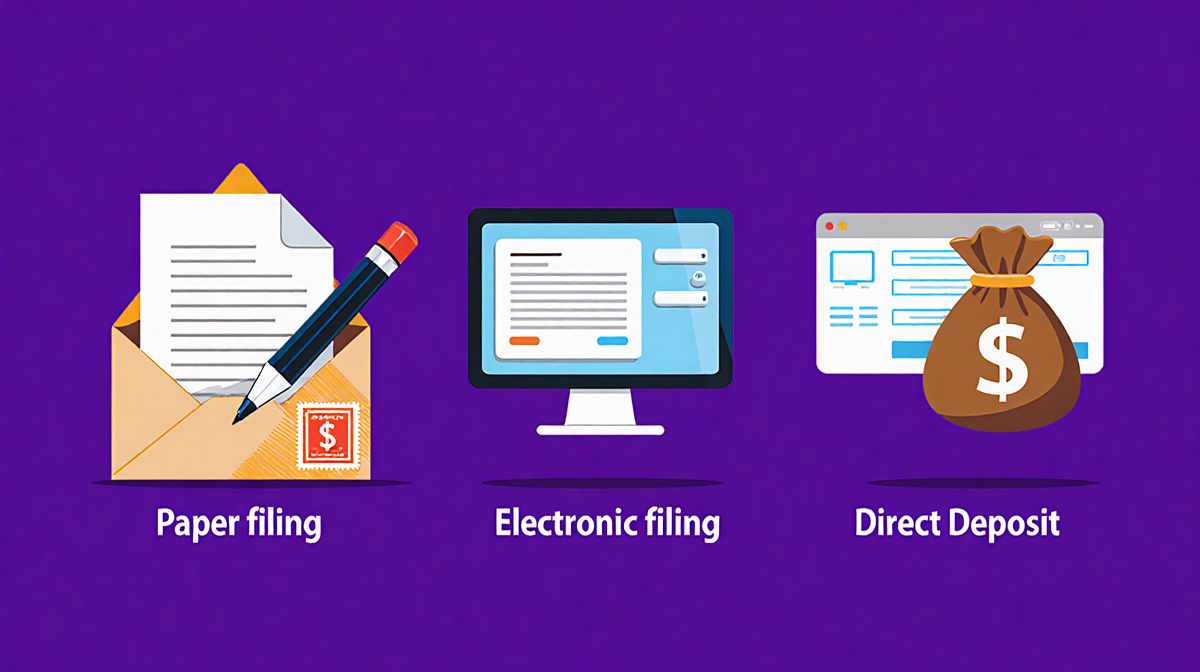
Filing Options
- Paper filing: Submit a paper return by mail.
- Electronic filing: Use IRS-approved tax software or a tax professional.
- Direct deposit: Receive refunds directly into your bank account.
If you claim the Earned Income Tax Credit (EITC) or the Child Tax Credit (CTC) and file electronically with direct deposit, the IRS says that taxpayers should expect to receive their refunds by March 3.
Refund Timing
Refunds typically arrive in two to three weeks after the IRS accepts your return. Early filers who qualify for the EITC or CTC may experience a slight delay, but the refund is still available by March 3.
> IRS says that taxpayers who claim either tax credit and file electronically using direct deposit should expect to receive their tax refunds by March 3. – IRS
Deadline and Extension Rules
The final date to submit a 2025 tax return to the IRS is April 15, 2026. Filing after this date can trigger:
- Late-filing penalties for each month the return is late.
- Interest on any tax owed.
- Additional penalties if you owe more than 90% of the tax due.
To avoid these consequences, taxpayers can file a six-month extension using IRS Form 4868. The extension pushes the filing deadline to Oct. 15, 2026. However, if you owe money, you must estimate and pay at least 90% of your tax liability by April 15 to avoid interest and penalties.
State Filing Exceptions
While the federal deadline is April 15, 2026, most states align with that date. However, a few states have different deadlines or no state income tax at all. The table below summarizes key state filing dates.
| State | State Income Tax | Filing Deadline |
|---|---|---|
| Alaska | No state income tax | – |
| Florida | No state income tax | – |
| Nevada | No state income tax | – |
| New Hampshire | No state income tax | – |
| South Dakota | No state income tax | – |
| Tennessee | No state income tax | – |
| Texas | No state income tax | – |
| Wyoming | No state income tax | – |
| Delaware | Yes | April 30, 2026 |
| Hawaii | Yes | April 20, 2026 |
| Iowa | Yes | April 30, 2026 |
| Louisiana | Yes | May 15, 2026 |
| Virginia | Yes | May 1, 2026 |
All other 41 states and Washington, DC share the April 15, 2026 deadline.
Natural Disaster Extensions
Two U.S. locales received automatic federal extensions due to natural disasters:
| Location | Disaster | Federal Extension Deadline |
|---|---|---|
| Washington | Storms, flooding, mudslides starting Dec. 9, 2025 | May 1, 2026 |
| Alaska (Lower Kuskokwim Regional Educational Attendance Area, Lower Yukon Regional Educational Attendance Area, Northwest Arctic Borough) | Typhoon Halong starting Oct. 8, 2025 | May 1, 2026 |
Taxpayers in these areas can file by May 1, 2026 without penalty.
Key Takeaways
- Start filing today to get refunds sooner.
- EITC and CTC filers should expect refunds by March 3 if they use direct deposit.
- The federal deadline is April 15, 2026; extensions are available until Oct. 15, 2026.
- State deadlines vary; check your state’s specific date.
- Natural disaster extensions apply to Washington and certain Alaskan regions, extending the deadline to May 1, 2026.
By staying on top of these dates and filing early, taxpayers can avoid penalties, reduce interest on owed amounts, and receive refunds faster.