At a Glance
- 75-inch TV offers cinematic viewing in any room.
- The TCL QM8K tops the list for picture quality and value.
- Samsung S95F leads in brightness and glare control for bright rooms.
Why it matters: Choosing the right 75-inch TV can transform a living room into a home theater, but size, price, and features must line up with your space and usage.
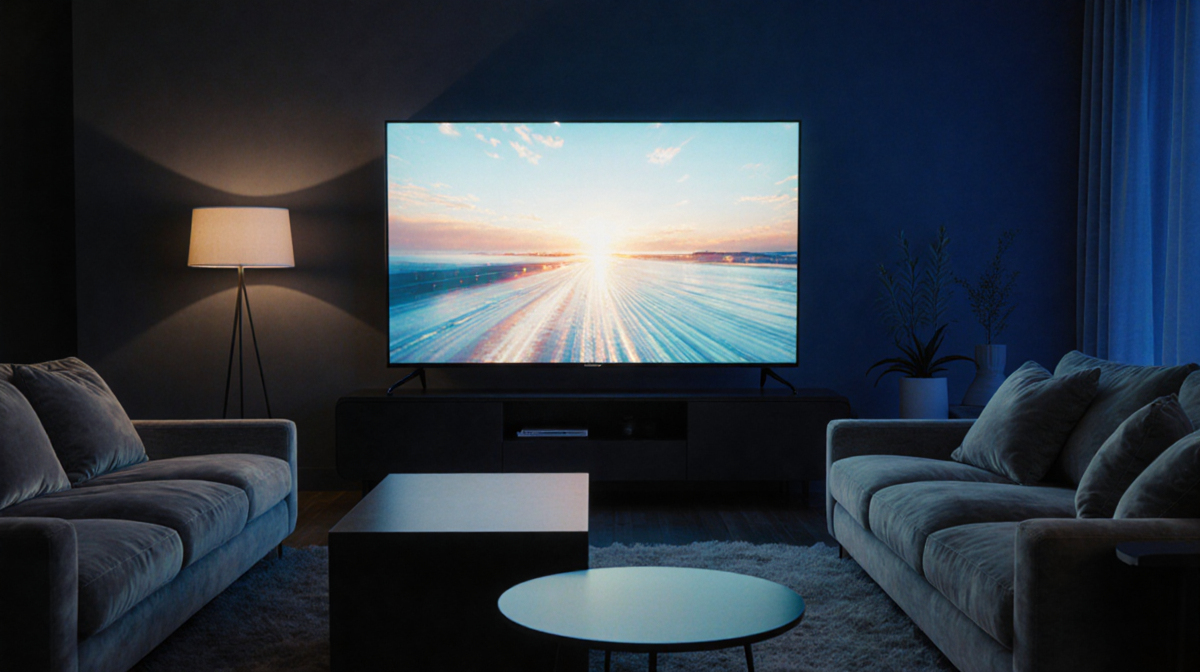
The 75-inch TV is a popular upgrade after the Super Bowl, striking a balance between immersive image quality and a manageable footprint. This guide reviews the best models of 2026, explains key buying factors, and shows how experts test these TVs.
Best 75-inch TVs of 2026
The selection below reflects the most recent tests conducted in a controlled lab environment. Each model was compared side-by-side across lighting conditions, media types, and performance categories.
| Model | Price | Key Features | Pros | Cons |
|---|---|---|---|---|
| TCL QM8K | $1,399 | 4K/120Hz, variable refresh rate, “halo control” | Superb picture for the price, excellent black levels | Still bright, higher input lag than some competitors |
| Samsung S95F | $2,299 | OLED, matte finish, external input box | Best contrast, excellent glare control, superior color | Over twice as expensive as other options |
| LG OLED77C4 | $2,099 | OLED, carbon-fiber construction, ultrathin panel | Best overall image, great off-angle viewing | High price, not the brightest option |
| Hisense 75U8QG | $1,199 | Mini-LED, full-array local dimming | Strong picture, cheaper than TCL | Slightly less advanced than top OLEDs |
| Roku Pro 75U8K | $1,099 | Mini-LED, Google TV system | Affordable, solid contrast, easy streaming | HDR colors less accurate |
The TCL QM8K is highlighted as the best overall for its blend of performance and affordability. Samsung’s S95F is the premium choice for bright rooms, thanks to its matte finish that nearly eliminates reflections. The LG OLED77C4 offers the best image quality among non-OLED models, with unmatched contrast and a lightweight design.
Factors to Consider When Choosing a 75-inch TV
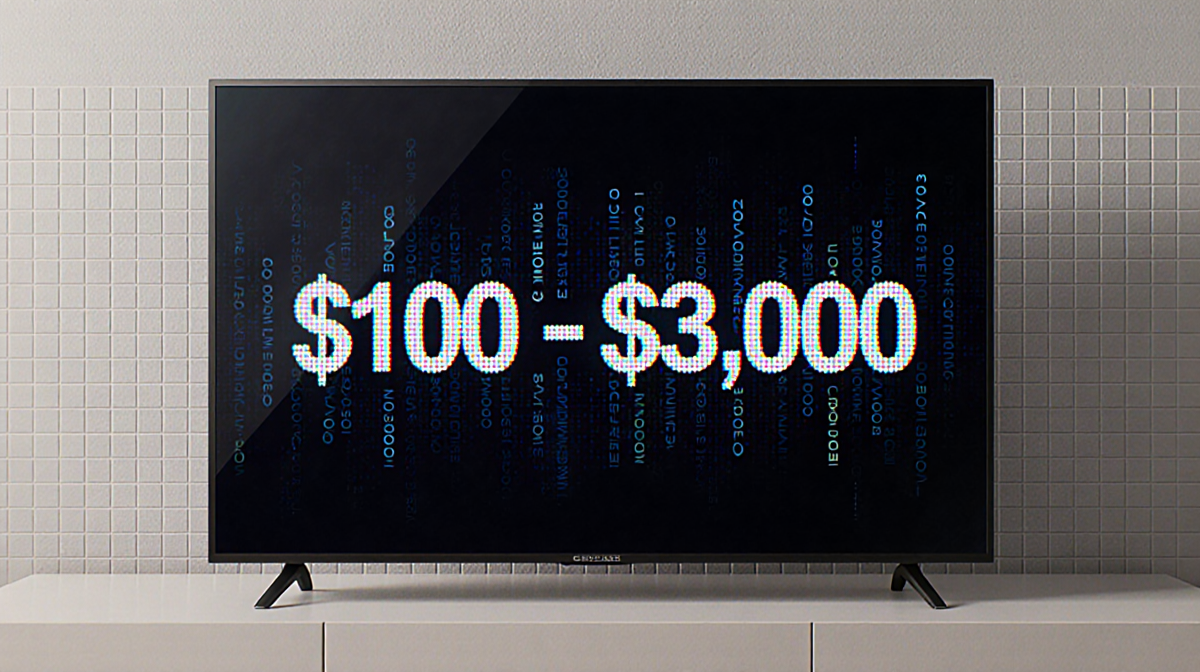
- Price range: TVs vary from $100 to more than $2,000. Spending more often yields better image quality, but budget models can still perform well.
- Screen size: A 75-inch screen is a sweet spot for most living rooms. For smaller spaces, a 65-inch or 55-inch may be more appropriate.
- Resolution: All 75-inch TVs come with 4K resolution (8 million pixels). 8K options exist but are not yet cost-effective.
- Technology: OLED offers the best picture, while mini-LED and LCD can approach OLED quality with newer features like local dimming.
- Gaming features: Look for 4K/120Hz input, variable refresh rate, and low input lag if you play console games.
- Smart TV system: Google TV, Roku, and Samsung’s Tizen each offer different user experiences. Choose one that matches your app preferences.
- Weight and mounting: A 75-inch TV can weigh between 75 and 100 pounds with its stand. Wall-mounting reduces weight and frees floor space.
How We Test TVs
The testing process uses specialized equipment:
- Konica Minolta CS-2000 spectroradiometer for measuring light and color.
- Murideo Sig-G 4K HDR signal generator to deliver consistent test signals.
- AVPro Connect 8×8 4K HDR distribution matrix for routing.
- Portrait Displays CalMan Ultimate software to evaluate every television.
Three or more similar TVs are compared side-by-side in various lighting conditions, playing movies, TV shows, and games. Test categories include color accuracy, video processing, HDR performance, gaming input lag, and smart TV usability.
Is a 75-inch TV Too Big?
The answer depends on room size, seating distance, and personal preference. For a large living room or den, a 75-inch TV is generally excellent. It may be too large for smaller rooms or most bedrooms.
- Viewing distance: THX and SMPTE recommend sitting 7.5 to 10 feet from a 75-inch screen. Many viewers prefer a bit further back.
- Pixel density: With 4K resolution, you can sit as close as about 4.5 feet and still not see individual pixels if you have 20/20 vision.
- Room lighting: Bright rooms benefit from OLED’s glare control; dimmer rooms can handle higher brightness models.
Quick Reference
| Feature | Typical Value | Notes |
|---|---|---|
| Width | 65-67 inches | Narrow frames keep width consistent |
| Height | 36-38 inches | Depends on manufacturer |
| Weight | 75-100 pounds (with stand) | Removing stand reduces weight by up to 20 pounds |
| Shipping weight | +10-20 pounds | Includes box and accessories |
| Resolution | 4K | 8 million pixels |
| HDR | HDR10, Dolby Vision | Most models support both |
Key Takeaways
- The TCL QM8K offers the best overall value, balancing picture quality with a reasonable price.
- Samsung’s S95F is ideal for bright rooms thanks to its matte finish and glare reduction.
- OLED technology still leads in contrast and color accuracy, but mini-LED options are catching up.
- For gaming, look for 4K/120Hz input and variable refresh rate.
- Consider room size and viewing distance before purchasing a 75-inch TV to ensure a comfortable experience.
—