
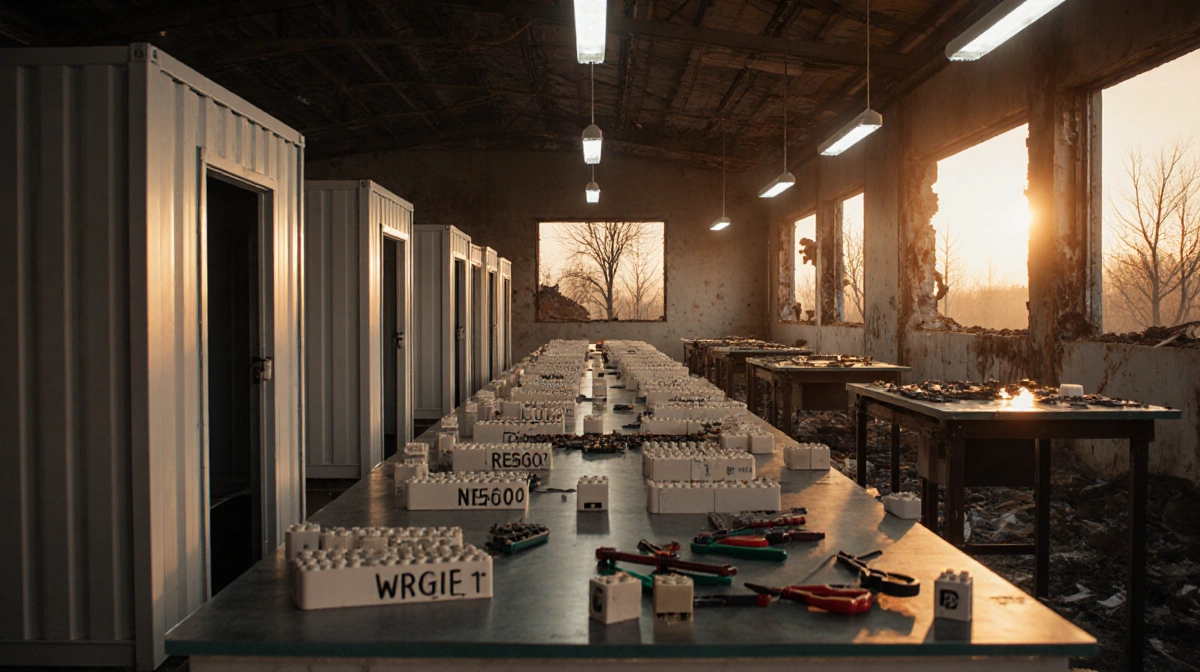
At a Glance
- Sue LaBella’s new house is made of steel, tempered glass, and ignition-resistant wood
- Gardena-based Cover pre-builds sections in a factory before on-site assembly
- The same “LEGO block” parts create custom layouts while enabling mass production
- Why it matters: Wildfire survivors can regain a safer, faster-built home on the same lot
Sue LaBella, 82, lost everything when the Palisades Fire destroyed her house last winter. One year later she is preparing to move back onto the same lot in a new dwelling engineered to survive both flames and earthquakes.
A Home Built to Outlast Disasters
LaBella walked through the nearly finished structure and pointed out features designed to keep her safe. The walls, roof, and windows are fabricated from materials chosen for their resistance to ignition and structural stress.
Key components include:
- Steel framing for core strength
- Tempered glass to reduce shatter risk
- Ignition-resistant wood for added fire protection
“It’s about as close as you can get and having something that’s really California-proof,” said Buddy Squire, LaBella’s son-in-law.
Factory Assembly Line for Houses
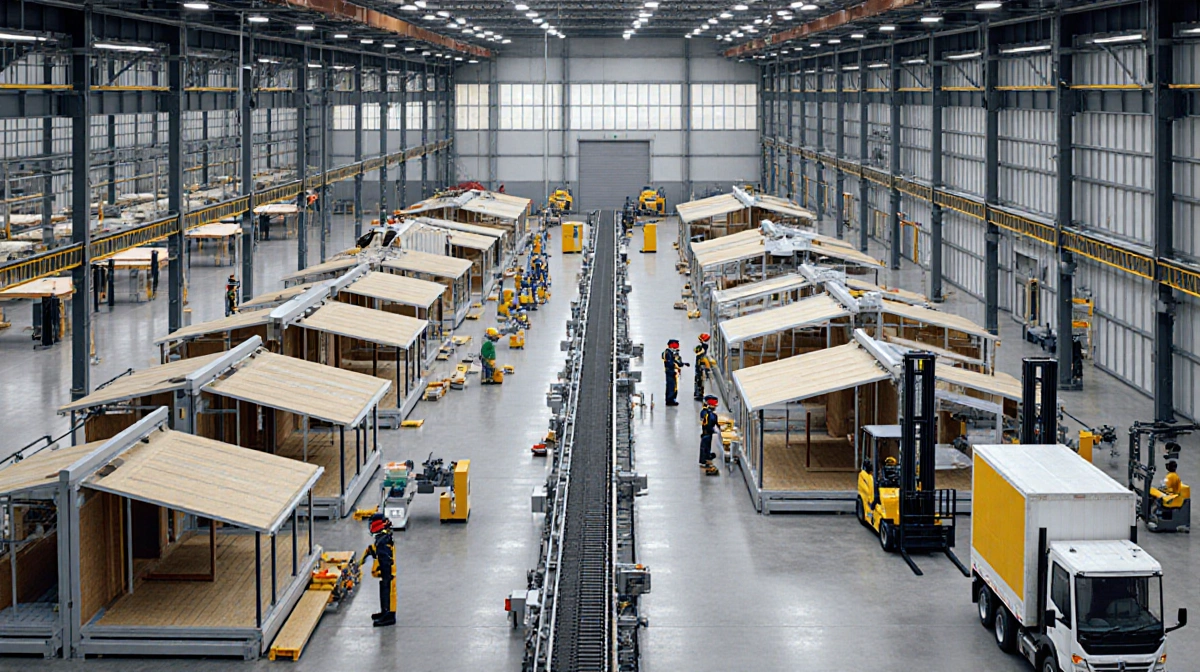
Cover, headquartered in Gardena, constructs each home’s parts in its warehouse before trucks deliver them for rapid assembly on the property. Co-founder Alexis Rivas said the approach mirrors automotive manufacturing.
“What we saw was an opportunity to make homes on a production line more like how cars are made and build better homes faster at a higher quality,” Rivas explained.
How the “LEGO” System Works
Rivas likens the process to interlocking blocks:
- One set of standardized pieces is fabricated
- Those pieces combine into different floor plans
- A courtyard layout was chosen for LaBella
- L-shapes and other configurations are possible
Although layouts vary, the underlying kit of parts stays identical, letting the company produce components in bulk while buyers still personalize room flow and exterior look.
Moving Complexity Off the Site
Traditional construction leaves most cutting, fitting, and finishing for the building pad. Cover shifts those labor-intensive steps into a climate-controlled plant.
“We move as much of the complexity that would normally happen on the construction site, we move that complexity to the factory, where you can do it on a production line far more efficiently in a more ergonomic setup,” Rivas said. “And by doing so, we can build more homes for the same number of people.”
A Personal Victory Over Wildfire Loss
LaBella is among thousands displaced by the deadly brush fire that leveled entire blocks. Rebuilding on her original footprint represents both emotional closure and practical resilience. The new structure stands ready to meet stricter safety codes and personal peace-of-mind requirements.
Key Takeaways
- Cover’s prefabricated, fire-resistant materials shorten rebuild time
- Standardized parts enable mass production without sacrificing customization
- On-site assembly follows a precise, LEGO-style connection method
- The approach offers a scalable model for wildfire recovery across the region