California Announces New Public Health Consultants
California announced Monday that it will bring on board two former senior officials from the Centers for Disease Control and Prevention, including one who was fired by the Trump administration, to serve as public health consultants. Gov. Gavin Newsom said the move would strengthen the state’s public health system. The officials will work with California’s Department of Public Health to build trust in science‑driven decision‑making. The announcement follows a broader trend of states seeking autonomy in health policy.
State Alliance with Washington and Oregon
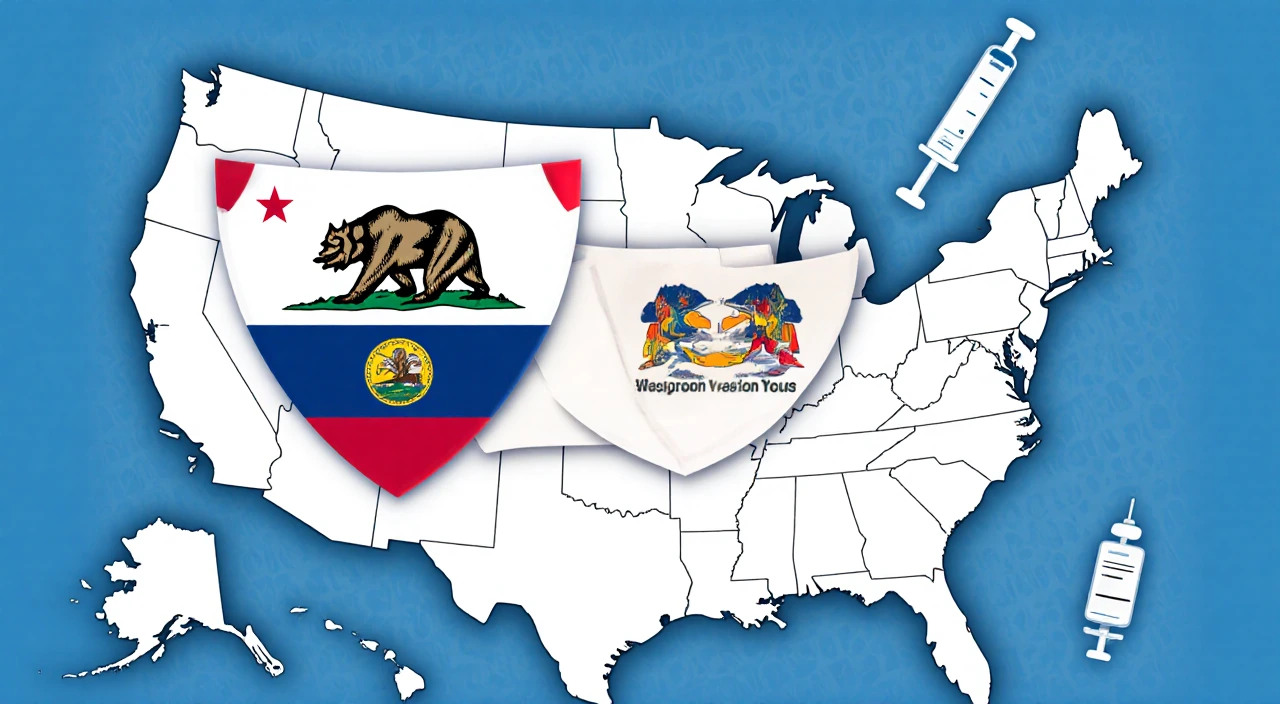
California joined Washington and Oregon in September to launch an alliance that will establish its own public health guidance and vaccine recommendations. The three states said the partnership would allow them to respond more quickly to emerging health threats. The alliance was formed in response to sweeping changes the Trump administration has made to vaccine and health policy. By creating a regional framework, the states hope to maintain continuity in public health standards.
Key Officials Joining the Initiative
The hires include Susan Monarez, who was fired as the CDC’s director, and Dr. Debra Houry, who resigned as the agency’s chief medical officer and deputy director. They will be joined by Dr. Katelyn Jetelina, a San Diegan and founder of Your Local Epidemiologist. Monarez and Houry left the agency amid disputes over policy changes. Jetelina’s organization focuses on rebuilding public trust in health institutions.
Governor’s Vision
In a statement, Newsom said, “By bringing on expert scientific leaders to partner in this launch, we’re strengthening collaboration and laying the groundwork for a modern public health infrastructure that will offer trust and stability in scientific data not just across California, but nationally and globally.” The governor emphasized the need for a reliable data system. He also highlighted California’s role in setting national standards. The statement underscored the state’s commitment to evidence‑based policy.
Political Context and Criticisms
California has increasingly positioned itself as a counterweight to federal health policy. Newsom has amplified his criticisms of President Donald Trump and has challenged Republican policies in court. The governor’s final term ends in just over a year. He is also preparing for a possible presidential run in 2028.
State Sen. Tony Strickland, a Republican, said the new initiative is an example of Newsom prioritizing his national political ambitions over the state. “California has serious problems, and we need serious solutions from a serious leader,” Strickland said in a statement. He criticized the governor’s focus on national politics. The statement reflects intra‑party tensions within California.
The White House and U.S. Department of Health and Human Services did not respond to emails seeking comment on the hirings. The agencies’ silence underscores the growing divide between state and federal health policy. No official statements were released. The lack of response may reflect broader disagreements over vaccine guidance.
Federal Vaccine Policy Changes
Trump and Health Secretary Robert F. Kennedy Jr. have repeated falsehoods about vaccines. The administration has issued health recommendations this year that experts say were not backed by science. These actions have fueled public skepticism. The federal stance contrasts sharply with California’s approach.
In September, Trump urged pregnant women not to take Tylenol, saying it could pose a risk of autism to their babies. Medical experts called the remarks irresponsible. The statement was widely criticized. It highlighted the administration’s willingness to spread misinformation.
The CDC website was changed last month to contradict the long‑standing scientific conclusion that vaccines do not cause autism. The update reversed decades of research. Public health officials expressed concern. The change was part of a broader shift in federal messaging.
A federal vaccine advisory panel voted earlier this month to reverse decades‑old guidance recommending that all U.S. babies get immunized against hepatitis B on the day they’re born. The hepatitis B vaccine is credited with preventing thousands of illnesses. The panel’s decision was controversial. It underscored the instability of federal guidance.
Background on Monarez and Houry
Monarez was a former director of a federal biomedical research agency before joining the CDC. She was named acting director of the CDC in January. Trump later nominated her to serve as director. She was confirmed by the Senate in July, making her the first nonphysician to hold the role.
Monarez was fired by the Trump administration in August after less than a month in the post. Kennedy said she was fired after she told him she was untrustworthy. Monarez testified in Congress that the claim was false. She said she was fired after refusing to endorse new vaccine recommendations that weren’t backed by science.
Houry spent more than a decade at the CDC and was among a handful of top officials who resigned around the time Monarez was fired. She expressed concern about the rise of vaccine misinformation during the Trump administration. She also worried about planned budget cuts, reorganization and firings at the CDC. “California will advance practical, scalable solutions that strengthen public health within the state and across states —showing how states can modernize data, share capacity, and work together more efficiently, while remaining focused on protecting people and communities,” Houry said in a statement.
Future Outlook
Jetelina has worked to rebuild public trust in health institutions through Your Local Epidemiologist. She will advise California’s Department of Public Health on the critical need to maintain public confidence in medical institutions. Her organization focuses on community‑level engagement. Her role will complement the efforts of Monarez and Houry.
The appointments signal California’s commitment to a science‑based public health system that can stand independent of federal policy shifts. By bringing in leaders with experience at the CDC, the state hopes to build a resilient infrastructure for future health challenges. The move also reflects a broader trend of states taking more control over health policy. The initiative is expected to influence national discussions on public health governance.