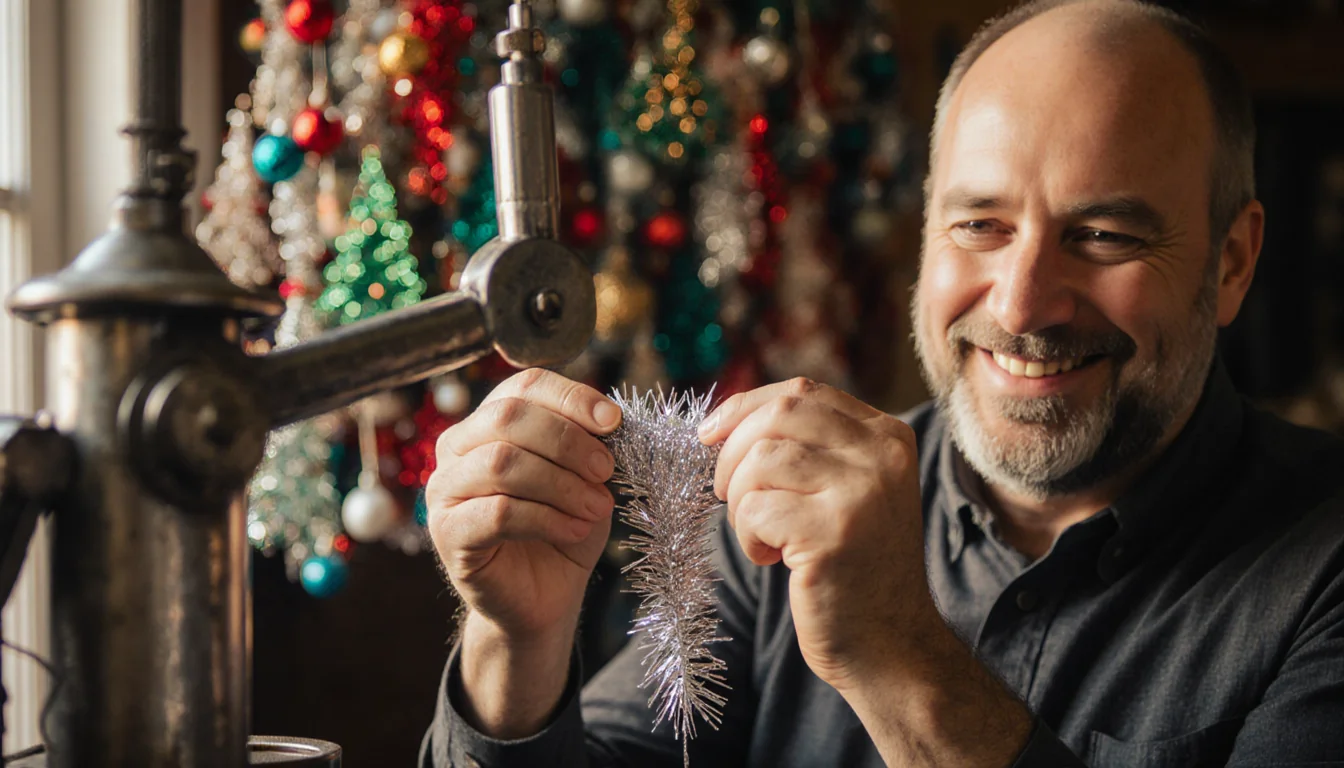
On a December morning in Fairfield, California, Mark Latino and a handful of workers coaxed sheets of vinyl into shimmering tinsel on a custom‑made machine that stretches 35 feet. The machine, nearly a century old, has been churning bright silver strands for the company’s artificial Christmas trees. Latino, the CEO of Lee Display, a firm founded by his great‑grandfather in 1902, still produces about 10,000 trees a year. While the U.S. remains one of the few domestic producers, the industry is feeling the sting of new import taxes.
Tariffs and Price Increases
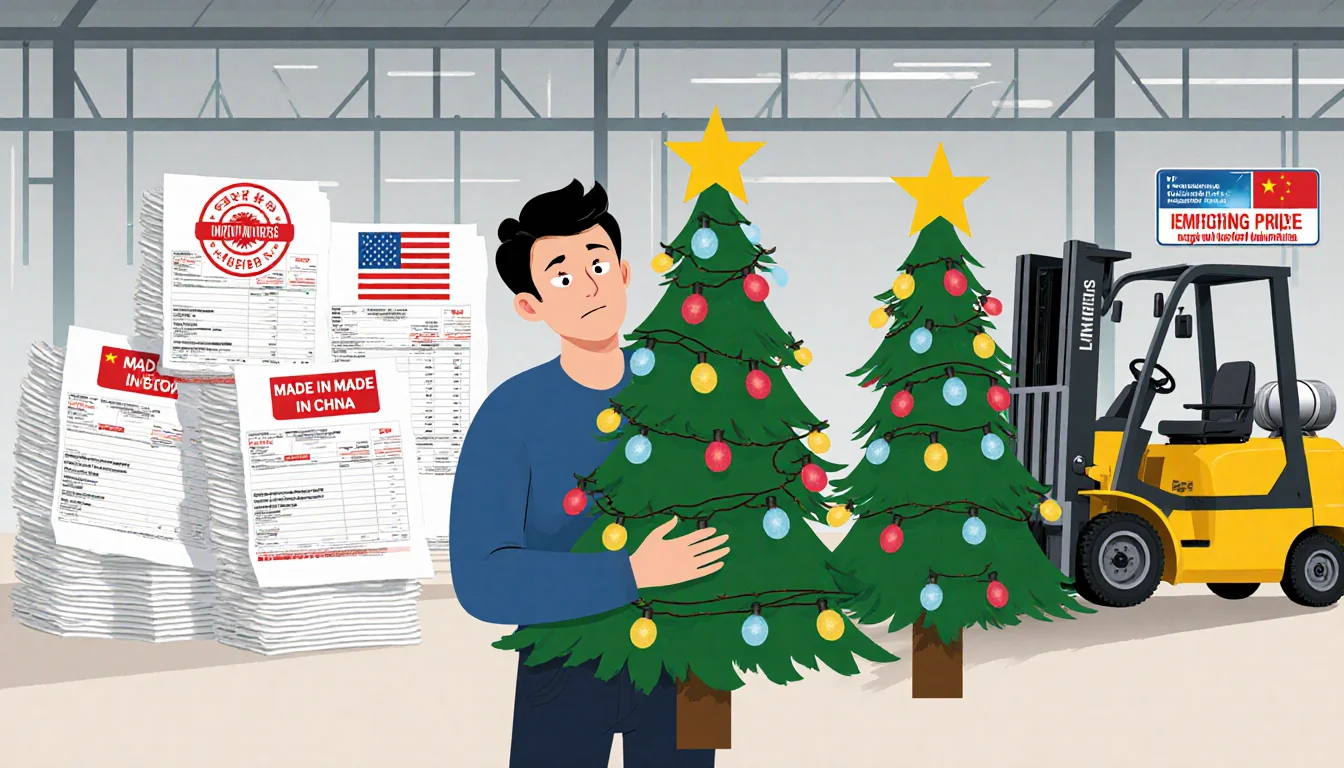
American Christmas Tree Association data shows that tariffs on fake trees have risen 10 % to 15 % this year. The import taxes have pushed prices higher, causing tree sellers to reduce orders and absorb the added cost of the stock they import. Despite the higher prices, many manufacturers say they do not plan to move large‑scale production back to the United States after decades of outsourcing to Asia.
U.S. Production and Consumer Sensitivity
Fake trees are labor‑intensive and rely on holiday lights and other components the U.S. does not manufacture, Chris Butler, CEO of National Tree Co., explained. He noted that U.S. consumers are price‑sensitive: “Putting a ‘Made in the U.S.A.’ sticker on the box won’t do any good if it’s twice as expensive.” Butler added that a 20 % price increase would make U.S. trees uncompetitive.
Lee Display’s Small‑Scale Operations
Lee Display’s operations are small, employing three or four people most of the year and scaling up during the holiday rush. About half its business builds custom displays for retailers such as Macy’s, while the other half sells directly to consumers. Latino said he prefers the speed and control of producing orders locally rather than waiting for overseas shipments.
Latino’s Perspective on Control
“You have more control over it. I like to think that everything here is either my fault or my mistake or my careful planning and skill,” Latino said. His son James, who heads business development and marketing, noted that the company did not import lights or decorations from China this year and relied on existing inventory. James added that the company is running low on lights and will need to pay higher import costs next year.
Balsam Brands’ Shift to Outsourcing
Mac Harman, founder and CEO of Balsam Brands, said Americans often set up trees on Thanksgiving and keep them up for weeks, which dries out fresh‑cut trees. He added that many consumers prefer fake trees because they are allergic to mold spores on real trees. Balsam Brands studied making faux trees in Ohio during the first Trump administration, when President Donald Trump threatened tariffs on imported Christmas décor. The company concluded a tree that sells for $800 would cost $3,000 if produced in the U.S. and could not find a domestic supplier for the gloves used to fluff branches.
Global Labor and Cost Dynamics
Workers in China, where 90 % of fake trees are made, earn $1.50 to $2 per hour, Butler said. Harman described the efficiency of Chinese workers who wrap lights on Balsam Hill trees as “like watching an Olympian.” Balsam Brands’ Chinese partner employs 15,000 to 20,000 people, while its Indonesian partner has up to 10,000. Most of these workers are seasonal, as orders for Christmas décor slow between October and February.
National Tree Co.’s Supplier Diversification
National Tree Co., based in Cranford, New Jersey, moved some manufacturing to Cambodia in 2024 and could source all its trees from outside China by next year, Butler said. The company had already imported fewer trees this year and raised prices by 10 %. It used some of the extra revenue to offer customer discounts, citing weak demand due to consumer economic concerns.
Tariff Evolution Over Time
In April, the Trump administration threatened a 49 % tariff on products from Cambodia, later reduced to 19 %. Tariffs on artificial trees from China fluctuated but now average 20 %, according to the American Christmas Tree Association. Balsam Brands cut its workforce by 10 %, canceled travel, froze raises, and stopped serving lunch once a week to absorb tariff impacts, Harman said.
Price Adjustments and Consumer Response
Harman said his sales are down 5 % to 10 % in the U.S. but up 10 % or more in Germany, Australia, Canada and France. The drop in U.S. sales reflects the effect of tariffs on consumer demand. Butler noted that the product is discretionary: “People say, ‘I can wait one more year,’” he said.
International Market Resilience
While tariffs have dampened U.S. demand, international markets remain resilient. Balsam Brands reported increased sales overseas, with Germany, Australia, Canada and France showing gains of 10 % or more. The company’s global strategy emphasizes diversification of suppliers to mitigate tariff risks.
Key Takeaways
- U.S. tariffs have pushed fake Christmas tree prices up 10 %‑15 %, reducing domestic production.
- American companies are diversifying suppliers and raising prices, while sales in the U.S. decline and overseas markets grow.
- Small U.S. producers like Lee Display maintain control and speed but face higher import costs for lights and components.
Closing
With tariffs reshaping the supply chain, U.S. manufacturers like Lee Display and Balsam Brands are navigating higher costs, shifting production, and changing consumer preferences. The industry’s future hinges on balancing price, quality, and the growing demand for convenience. As the holiday season approaches, consumers will weigh the allure of a ‘Made in the U.S.A.’ label against the price difference.