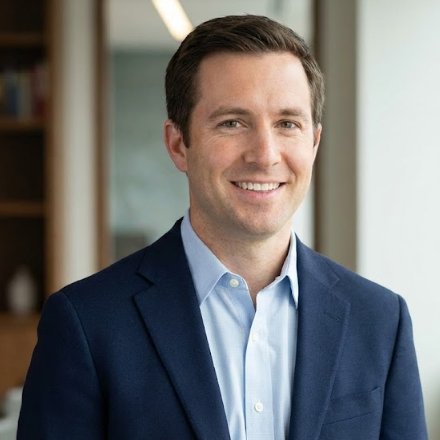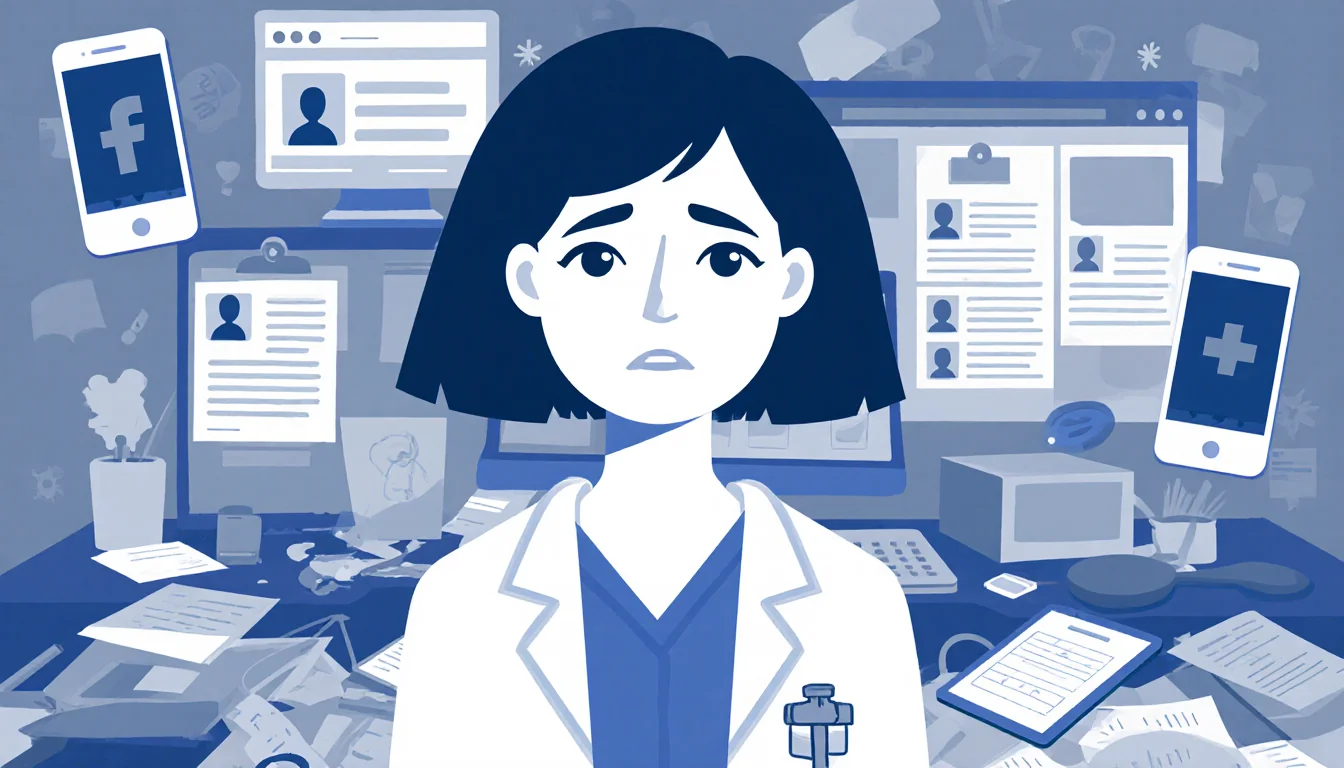
Dr. Briana Calcagno‑Davi, a senior pediatric neuropsychologist at Northwell Health, began her lecture with a simple reminder: “Don’t Google it!” The internet’s vast reach is a double‑edged sword, especially when it comes to health information. While search engines can surface useful data, they also often deliver inaccuracies, self‑diagnoses, and unwarranted paranoia.
The Rise of Social Media Health Misinformation
In today’s smartphone‑driven world, misinformation spreads far beyond traditional search queries. Calcagno‑Davi says, “Now I almost am telling them, ‘Don’t Instagram it! Don’t TikTok it! Don’t Reddit it!’” She explains that social media platforms track engagement and browsing history, so a single click or like can trigger a cascade of related posts in a user’s feed. “In today’s day and age, they don’t have to actively seek it out,” she notes. Instead, content can appear at a user’s front door, prompting them to “do your due diligence to look into who’s saying it, what they’re saying, and do a little research before you take it as truth.”
Calcagno‑Davi’s concerns are not limited to adults. She points out that children and teenagers are especially vulnerable. “It’s really hard to mediate how children, and teenagers specifically, use social media,” she says, a mother of two. “I think that you can put in all the stops and parental barriers that you can, but I also think having an open lens of communication with your child is the best way.”
Survey Reveals 70% Turn to Social Media for Health Info
To quantify the problem, Calcagno‑Davi partnered with undergraduate students and hospital volunteers to launch an anonymous online survey. The questionnaire gathered demographic data and probed how users employ social media for health information. Participants ranged from 13 to 85 years old. Preliminary results showed that nearly 70% of respondents consider social media an effective way to gain medical or clinical knowledge. However, less than half have verified that the health care specialist they encounter online is legitimate.
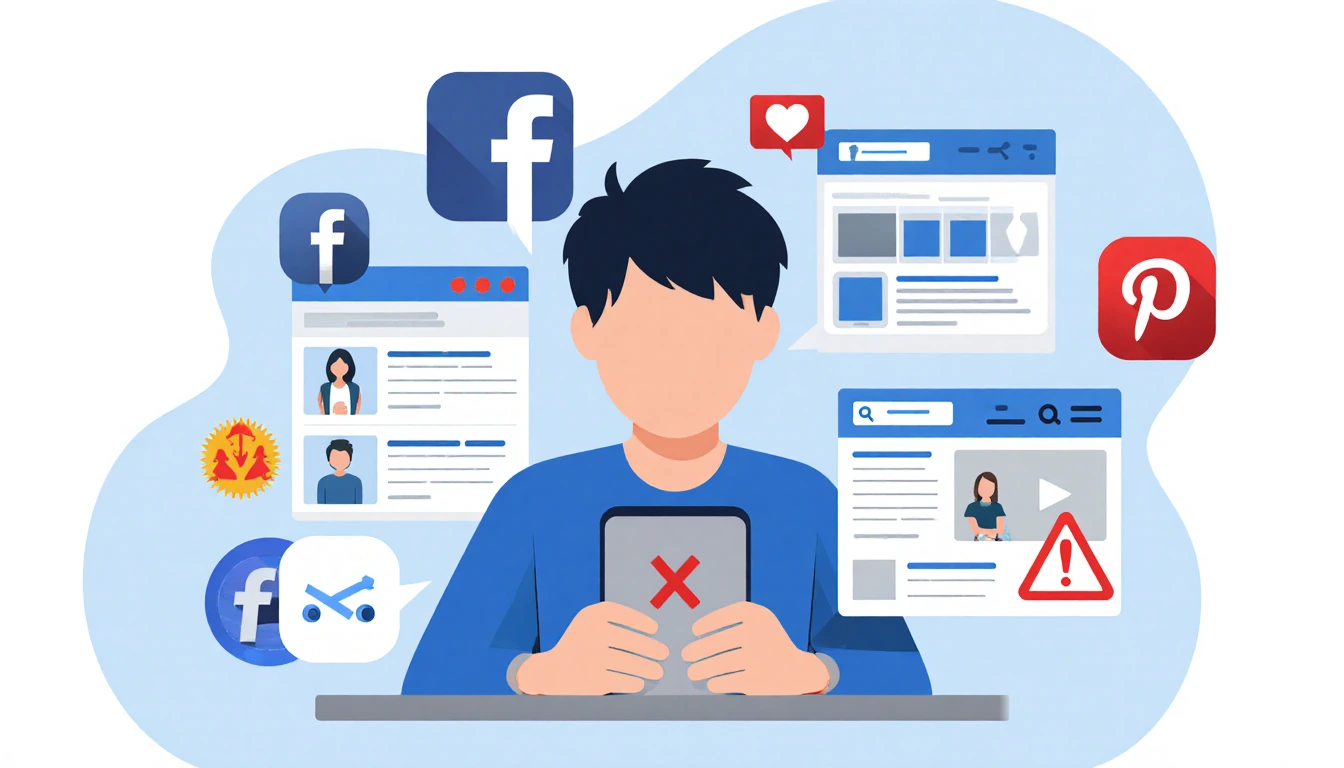
The survey’s objective, as Calcagno‑Davi explains, is a “small picture” of social media’s utility as a health information platform. The “big picture” is to determine how many people might be misguided and how best to protect them—children, the elderly, and those with developmental disabilities.
The Consequences: Delayed Care and Harmful Products
Misinformation can delay proper diagnosis and care, and in worst cases, lead people to use harmful products or abandon necessary treatment. Calcagno‑Davi warns that the current era of health literacy is “pretty problematic over different cases and it’s something that I think is going to get more and more tricky.” She highlights the lack of vetting, monitoring, or control over posted content, leaving both young and old minds highly susceptible.
The stakes are heightened by recent public health alerts. The Centers for Disease Control and Prevention report rising measles case numbers across the United States, underscoring how misinformation can undermine vaccination efforts and public health.
Calls for Verification and Parental Guidance
Calcagno‑Davi is hopeful that social media platforms will adopt a verification badge for health care professionals. She asks, “Wouldn’t it be great if we had a little red shield or a specific verification badge that verifies that the poster is someone in a clinical field as a health provider?” Such a badge would help viewers quickly assess a poster’s credentials, a crucial aid as artificial intelligence blurs the line between fact and fiction.
In the meantime, she urges users of all ages to verify the expertise of anyone offering medical advice online. She recommends checking for:
- Professional licensing databases, such as the American Medical Association’s searchable listings.
- State medical board records that confirm a provider’s license and disciplinary history.
- Certification records in fitness or wellness communities, using databases like the U.S. Registry of Exercise Professionals.
She also stresses the importance of open communication with children about their health. “Reminding your child that if they feel a certain way in their body, in their mind, to come to them and they can give them guidance — it’s better than turning to potential threats that are on the internet,” she says.
University of Sydney Study Highlights the Scale of the Problem
Earlier this year, a University of Sydney study published in the Journal of the American Medical Association examined misleading health information on Instagram and TikTok. Analyzing nearly 1,000 posts about five controversial medical tests promoted by influencers, the study found:
- 87% of the content mentioned potential benefits of the tests.
- Only 15% mentioned potential harms, such as overdiagnosis from full‑body MRIs or tests to detect early signs of cancer.
- A mere 6% referenced scientific evidence.
The posts collectively reached almost 200 million followers, and nearly 70% of the influencers and account holders had a financial interest in promoting the tests. These findings illustrate how easily misleading content can spread and influence public perception.
Key Takeaways
- Social media is a powerful but risky source for health information; 70% of users turn to it, yet many do not verify credentials.
- Misinformation can delay care and encourage harmful products, especially amid rising measles cases and other public health threats.
- Verification badges and parental oversight are essential tools to help users discern credible medical advice.
The more data we gather on people’s use of social media as a health platform, the better we can support the public in using it safely. As Calcagno‑Davi reminds us, protecting ourselves and our loved ones begins with asking the right questions and seeking reliable sources.
Closing Thoughts
Health misinformation is no longer confined to those who search online. It infiltrates the feeds of millions daily, making vigilance a shared responsibility. By demanding verification, fostering open dialogue with children, and staying informed about the reach of misleading content, society can mitigate the risks posed by the digital age’s health narratives.