
In a move that stunned fans worldwide, FIFA announced a dramatic cut in ticket prices for the 2026 World Cup, offering seats as low as $60 for the final—down from the previously quoted $4,185—and for every other game in North America.
Ticket Price Overhaul
The decision follows a global backlash over FIFA’s original pricing scheme, which had set the cheapest group‑stage tickets at $120 to $265 for matches not involving the co‑hosts. Fans had also noted that the co‑hosts had pledged, eight years ago, to make hundreds of thousands of $21 tickets available, a promise that was not reflected in the initial plan.
FIFA said Tuesday that the new $60 tickets would be distributed through national federations of the teams playing. Those federations will decide how to allocate the seats to loyal fans who have attended previous games at home and on the road.
The number of $60 tickets per game is expected to be in the hundreds rather than thousands, as FIFA has labeled the new price tier the “Supporter Entry Tier.”
The original pricing plan had group‑stage tickets at $120 for matches involving the United States, Canada or Mexico, and $265 for other group‑stage matches. This steep pricing led to widespread criticism.
The $21 ticket pledge from the co‑hosts was announced during the bidding process eight years ago, but FIFA’s initial ticketing schedule did not reflect this commitment, contributing to the backlash.
FIFA’s dynamic pricing model would have adjusted ticket prices based on demand, while the resale platform would have added extra fees, features common in U.S. sports but new to soccer fans worldwide.
Designated to Support Travelling Fans
FIFA did not specify exactly why it dramatically changed strategy, but said the lower prices are “designed to further support travelling fans following their national teams across the tournament.”
Transportation Secretary Sean Duffy said the U.S. is ready for soccer fans to travel between host cities during the 2026 FIFA World Cup, aligning with the new ticketing approach.
World Cup Scale and Revenue
The 2026 World Cup will be the first edition to feature 48 teams, up from 32, and is expected to generate at least $10 billion in revenue for FIFA.
The ticketing changes come amid criticism over FIFA’s plans for dynamic pricing and additional fees on a FIFA‑run resale platform, features common in U.S. entertainment but new to soccer fans worldwide.
Fan Backlash and Refund Policy
Fan anger intensified last week when it became clear that loyal supporters would have no access to the cheapest category tickets and that fans who wanted to reserve a ticket for all of their team’s potential games—through the final—would not receive a refund until after the tournament.
In a further concession, FIFA said it would waive its administrative fees for refunds made after the July 19 final.
Supporter Entry Tier
The Supporter Entry Tier will likely provide hundreds of seats per match, but the exact distribution will vary by federation and match.
National federations will have discretion over how many of the $60 tickets they allocate to loyal fans, potentially creating variations in availability across teams.
The $60 ticket allocation per match is not a flat number; federations can choose to allocate more or fewer seats based on their fan base size and travel patterns.
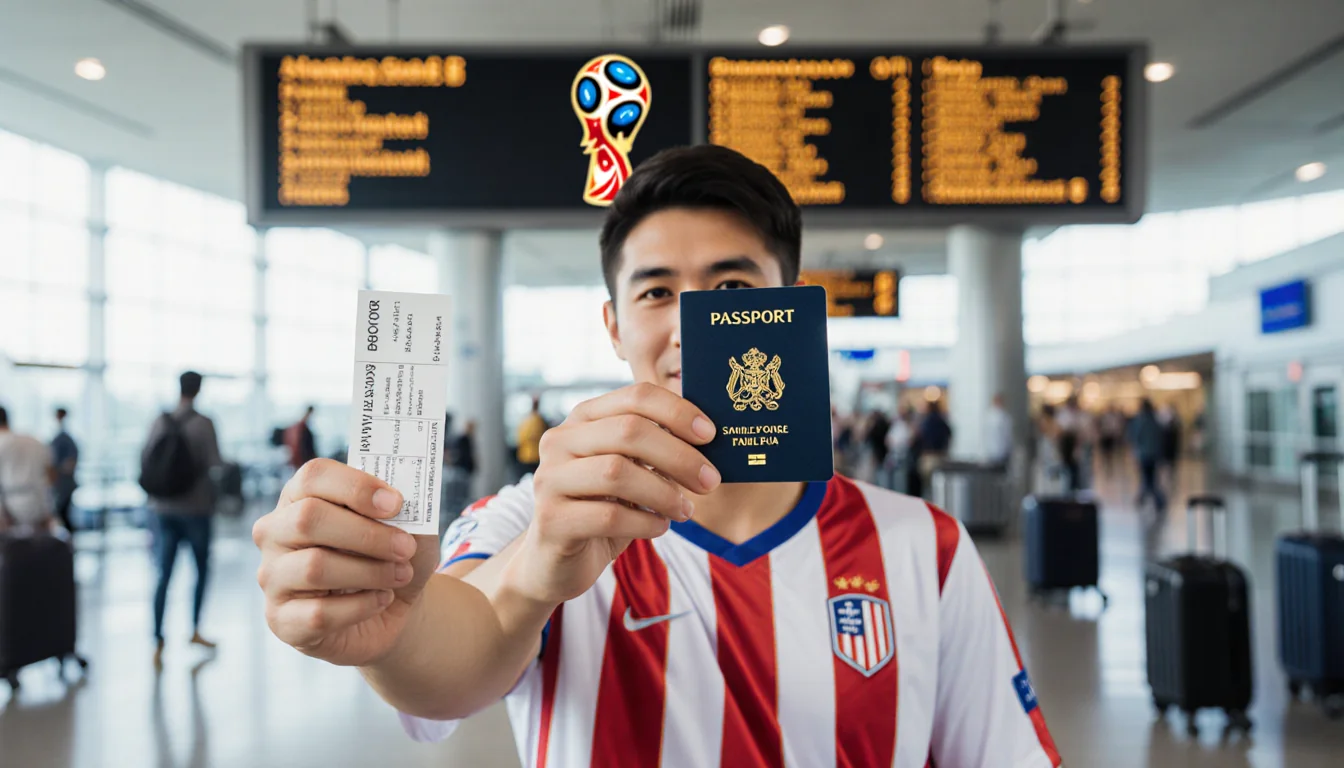
While the Supporter Entry Tier aims to provide affordable access, some fans argue that the limited number of seats may still restrict participation, especially for teams with large fan bases.
FIFA has stated that the lower prices are a response to the ‘global backlash’ and a commitment to support fans traveling across the tournament, but it has not released a detailed breakdown of how the $60 tickets will be distributed.
The July 19 final, scheduled for the end of the tournament, will be the last match where the $60 ticket pricing applies, after which the new pricing structure will be fully implemented.
The decision to waive administrative fees for refunds after the final is intended to address the frustration of fans who had to wait for reimbursement, but it does not alter the timing of the refund.
Co‑Host Ticket Pledge
The co‑hosts’ pledge of $21 tickets was originally part of the bidding promise to make soccer more accessible, but the omission in the final pricing plan sparked widespread calls for transparency and fairness.
The dynamic pricing model, which would have adjusted ticket costs based on demand, was criticized for creating unpredictability for fans, especially those planning travel months in advance.
FIFA’s response included removing the dynamic pricing element from the official ticketing schedule, a move that was welcomed by many fans who had voiced concerns on social media.
The administrative fee waiver for refunds after the final also addresses the issue of extra costs that fans had to absorb, further aligning FIFA’s policies with fan expectations.
Final Adjustments
As the tournament approaches, national federations are working closely with FIFA to finalize the exact number of $60 tickets per match, aiming to balance affordability with operational feasibility.
Fans who have long followed their national teams will now have a clearer path to attend matches, with the $60 ticket offering providing a tangible option for those who previously faced prohibitive costs.
Overall, FIFA’s ticketing overhaul reflects a shift toward more fan‑friendly pricing, but the effectiveness of the changes will be judged by fan turnout and satisfaction during the tournament.
Key Takeaways
- $60 tickets will be available for every game in North America, distributed by national federations.
- The new price tier, called ‘Supporter Entry Tier,’ will likely offer hundreds of seats per match.
- FIFA’s changes aim to support travelling fans and respond to global backlash over earlier pricing.
With the 2026 World Cup set to attract fans from around the world, FIFA’s shift to lower ticket prices marks a significant adjustment in its approach to fan access and international engagement.