> At a Glance
> – Uber, Lucid Motors, and Nuro unveiled the upcoming Lucid Gravity robotaxi at CES 2026
> – The self-driving SUV seats up to six passengers and launches late 2026 in San Francisco
> – Uber plans to deploy 20,000 vehicles over six years starting with Bay Area testing
> – Why it matters: This marks Uber’s first custom-designed rider experience for autonomous vehicles, potentially making self-driving rides more accessible through an existing app
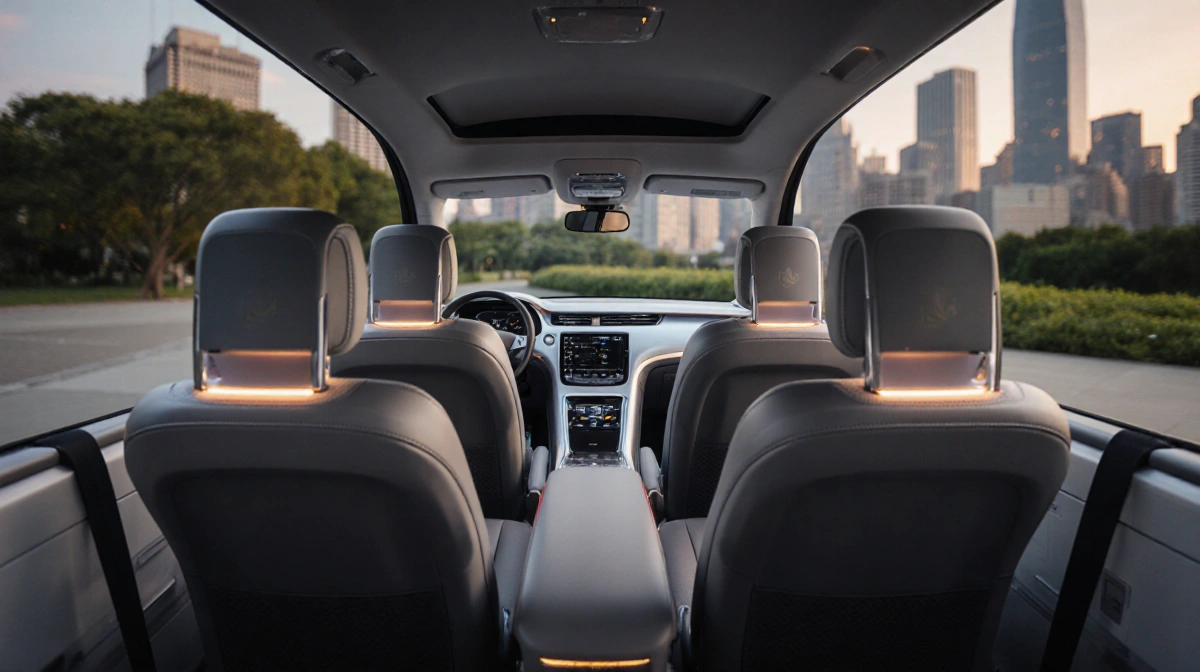
The Lucid Gravity robotaxi promises to redefine luxury autonomous transportation when it hits San Francisco streets later this year, featuring custom-built amenities and space for six passengers.
Inside the Vehicle Experience
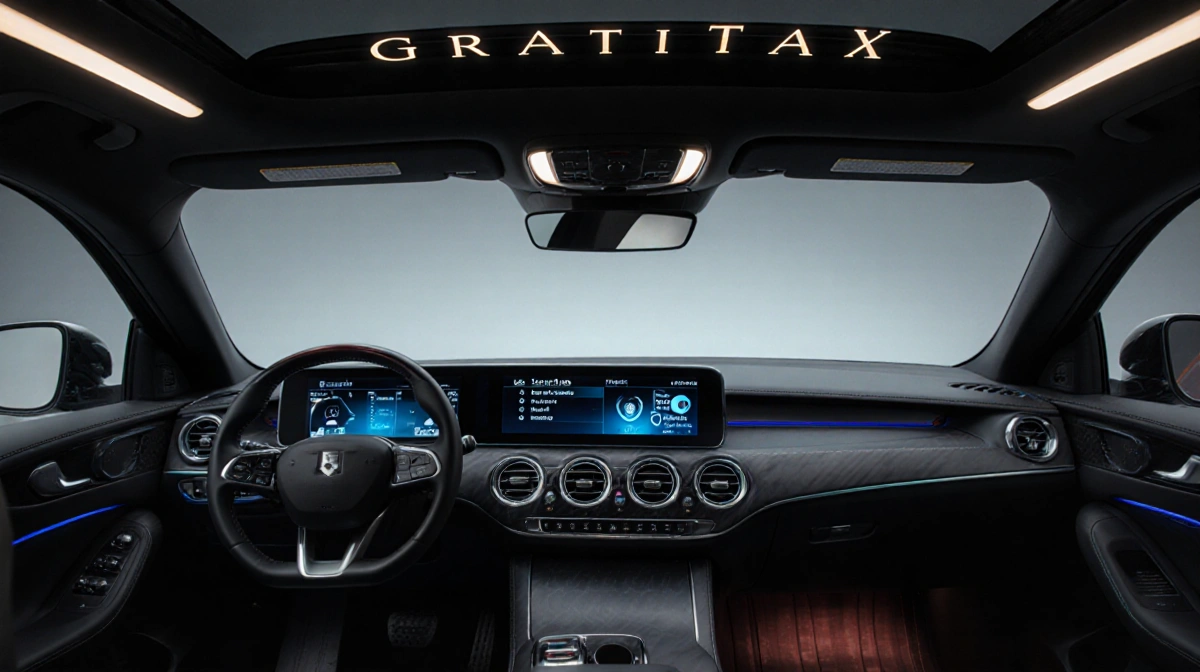
The Gravity robotaxi features interactive screens that let riders control temperature, activate heated seats, and select music. An LED roof display shows passenger initials to help identify the correct vehicle, similar to existing Waymo services.
Additional rider controls include:
- Direct support contact options
- Emergency stop request capabilities
- Generous luggage space (exact capacity not specified)
Sarfraz Maredia, Uber’s global head of Autonomous Mobility and Delivery, stated:
> “By combining leading expertise in electric vehicles, autonomy and ride-hailing, we’re building a unique new option for affordable and scalable autonomous rides in the San Francisco Bay Area and beyond.”
Partnership Details and Timeline
The three-way partnership announced in July divides responsibilities: Uber manages ride-hailing operations, Lucid manufactures vehicles, and Nuro provides self-driving technology. Production begins later this year at Lucid’s Arizona facility.
| Deployment Plan | Timeline |
|---|---|
| San Francisco Launch | Late 2026 |
| Total Vehicles Planned | 20,000 |
| Expansion Timeline | 6 years |
| Current Status | Supervised testing in Bay Area |
The standard Lucid Gravity starts around $80,000, positioning the robotaxi as what Uber calls the “industry’s most luxurious” autonomous vehicle. Testing with human operators began last month in the Bay Area.
Key Takeaways
- The Lucid Gravity robotaxi seats two more passengers than Waymo or Zoox vehicles
- This represents Uber’s first custom-designed autonomous vehicle experience
- The service launches in San Francisco before expanding to additional cities
- Uber maintains over a dozen autonomous vehicle partnerships including Waymo and Volkswagen
The Gravity robotaxi signals Uber’s continued push into autonomous services after abandoning its standalone self-driving program, partnering instead with established manufacturers and technology companies to bring self-driving options to existing app users.