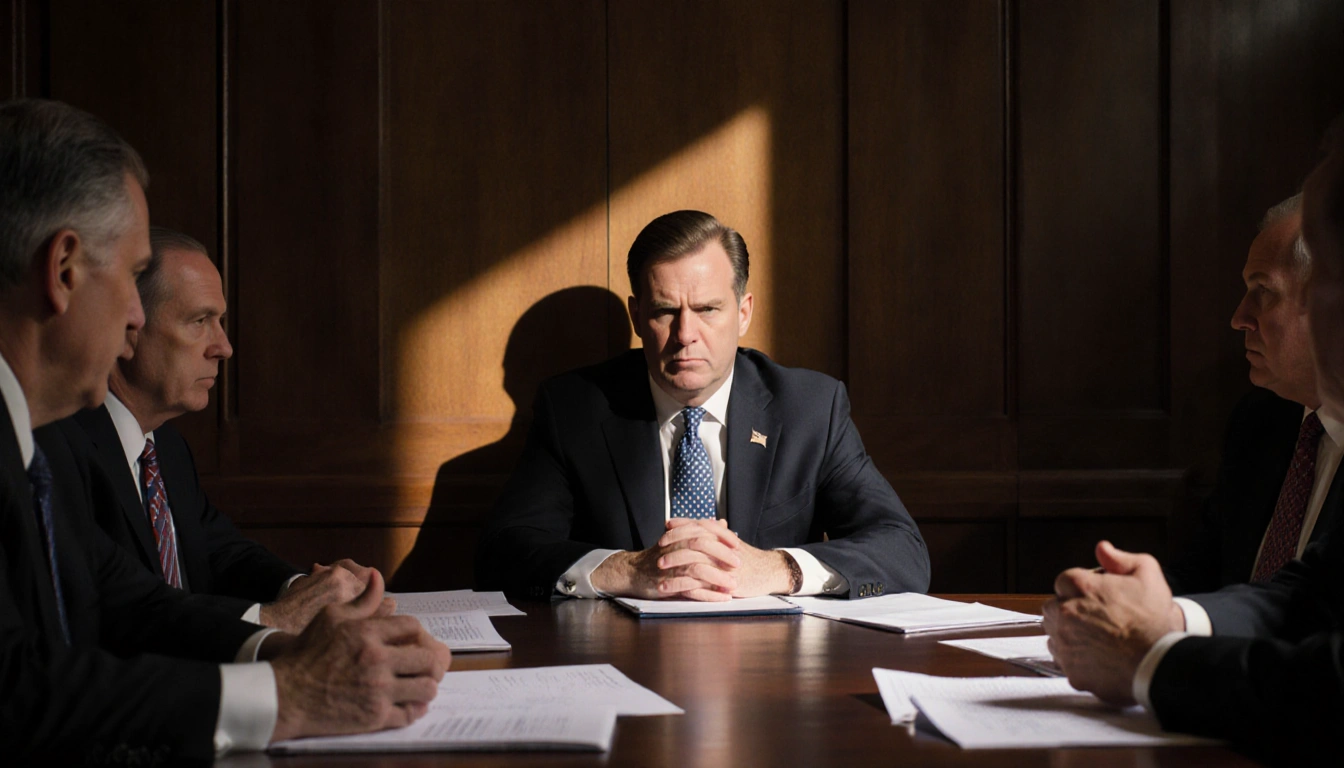
Former Justice Department special counsel Jack Smith is slated to sit for a closed‑door deposition with House Republicans on Wednesday, following lawmakers’ rejection of his earlier offer to testify publicly about his investigations into former President Donald Trump. The move comes as the Republican‑led House Judiciary Committee intensifies its scrutiny of the Justice Department’s handling of the two high‑profile cases that have dominated the political landscape for years.
The Closed‑Door Hearing
The deposition is part of an ongoing inquiry by the House Judiciary Committee, which has a Republican majority, into the Justice Department’s criminal investigations of Trump during the Biden administration. The committee’s focus is on the procedures, evidence, and decisions that shaped the outcomes of the investigations.
Subpoena and Cooperation
Smith was subpoenaed earlier this month to provide both testimony and documents, and his legal team has indicated that he will cooperate with the congressional demand. The subpoena requires him to appear before the committee and to submit any relevant records that the committee deems necessary for its review.
In a statement issued this month, one of Smith’s lawyers, Peter Koski, said, “We are disappointed that offer was rejected, and that the American people will be denied the opportunity to hear directly from Jack on these topics,” adding that “Jack looks forward to meeting with the committee later this month to discuss his work and clarify the various misconceptions about his investigation.” Koski also noted that Smith had previously offered to testify in a public hearing, but the committee declined that invitation. He emphasized that the special counsel’s goal is to provide accurate information while respecting legal boundaries.
Trump’s View on a Public Testimony
Trump told reporters at the White House that he supported the idea of an open hearing, saying: “I’d rather see him testify publicly. There’s no way he can answer the questions.” The former president’s statement reflects his broader stance that the special counsel’s investigations are unfair and that a public forum would expose the alleged misconduct.
What Smith Will Discuss
Smith is expected to discuss both of his investigations of Trump but will not answer questions that call for grand jury materials, which are restricted by law, according to a person familiar with the investigation who insisted on anonymity to discuss the interview. The restriction is grounded in 18 U.S.C. § 6002, which protects the confidentiality of grand jury proceedings. Smith’s lawyers explained that any disclosure of grand jury materials could jeopardize the integrity of the investigation and potentially violate federal law.
He is also expected to correct what he regards as mischaracterizations from Republicans about his work, including about his team’s use of cellphone records belonging to certain GOP lawmakers, the person said. The alleged mischaracterizations concern the scope of the data reviewed and the methods used to analyze it.
Background on Smith’s Appointment
Smith was appointed in 2022 to oversee the Justice Department investigations into Trump’s efforts to overturn his 2020 presidential election loss and his hoarding of classified documents at his Mar‑a‑Lago estate in Palm Beach, Florida. His appointment followed the Department’s decision to appoint a special counsel to ensure an independent and thorough examination of the matters. The appointment of a special counsel is a rare measure that allows the Justice Department to conduct investigations independent of the department’s leadership. Smith’s role was to oversee all aspects of the investigations, from evidence gathering to the filing of indictments.
Smith’s team filed charges in both investigations, marking the first time a former president has faced criminal charges in connection with his conduct after leaving office. The charges were brought against Trump for his alleged attempts to subvert the electoral process and for the improper handling of sensitive materials.
Smith abandoned the cases after Trump was elected to the White House again last year, citing Justice Department legal opinions that say a sitting president cannot be indicted. The decision was made to avoid potential conflicts with the constitutional principle that a president cannot be prosecuted while in office.
Republican Interest in the Team
Republicans who control Congress have sought interviews with at least some individual members of Smith’s team. The committee has requested access to witnesses who can provide insight into the investigative process and the evidence that was considered.
Phone Record Analysis
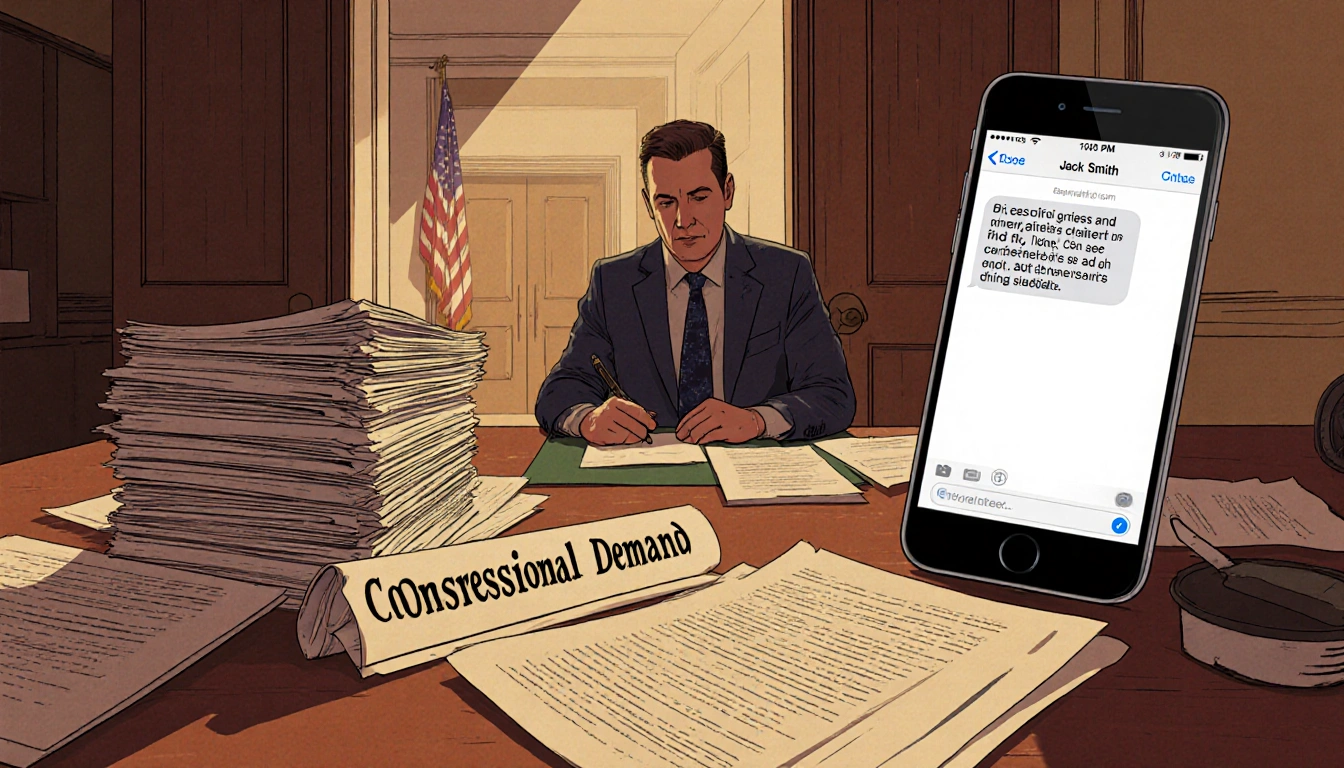
In recent weeks they have seized on revelations that the team, as part of its investigation, had analyzed the phone records of select GOP lawmakers from on and around Jan. 6, 2021, when pro‑Trump rioters stormed the U.S. Capitol to try to halt the certification of Trump’s election loss to Democrat Joe Biden. The analysis involved reviewing metadata from the phone records to identify patterns of communication that could link lawmakers to the events of January 6. The team sought to determine whether any lawmakers had knowledge of or involvement in the Capitol breach.
The phone records reviewed by prosecutors included details only about the incoming and outgoing phone numbers and the length of the call but not the contents of the conversation. The records were limited to metadata, which is often used in investigations to establish timelines and connections without revealing private communications.
The analysis of these records has become a focal point for Republican lawmakers who question the scope and methods of Smith’s investigations. They argue that the use of such data may overstep legal boundaries and that the findings have not been fully disclosed to the public.
The Jan. 6 Investigation
Smith’s deposition will likely address how the Justice Department handled the Jan. 6 investigation and why certain evidence was excluded from the grand jury. He is expected to explain the rationale behind the decision to withhold specific materials from the grand jury to protect the integrity of the investigative process.
The closed‑door nature of the hearing reflects the sensitivity of the material, especially the grand jury proceedings that are protected by law. The committee’s decision to hold the deposition behind closed doors is intended to preserve the confidentiality of ongoing investigations.
Partisan Context
The broader context of congressional investigations into the Justice Department’s conduct during the Biden administration underscores the partisan divide over how to hold the Department accountable. The committee’s inquiries are part of a larger effort to assess the department’s actions in politically charged cases.
Smith’s willingness to cooperate, despite having offered a public testimony earlier, signals a shift in his approach to congressional scrutiny. His decision to comply with the subpoena demonstrates a commitment to transparency within the limits set by legal constraints.
Lawmakers have raised concerns that the investigations might be driven by partisan motives rather than evidence. They argue that the special counsel’s actions could undermine public trust in the Justice Department’s impartiality.
Upcoming Deposition
As the House Judiciary Committee prepares for the Wednesday hearing, the focus remains on the details of the investigations, the handling of evidence, and the legal boundaries that govern grand jury work. The committee’s agenda includes questions about the legal justification for the investigations, the procedures followed for evidence collection, and the steps taken to ensure that the investigations were conducted without political bias. The hearing will also address how the Justice Department handled the release of information to the public.
The committee’s questions will likely probe the justification for the investigations, the evidence used, and the steps taken to ensure impartiality.