
Maxwell seeks to overturn her 2021 conviction citing evidence and violations and DOJ releases 18 categories of Epstein records under the Transparency Act.
Background
Jeffrey Epstein, a financier, was arrested in July 2019 on sex‑trafficking charges. A month later, he was found dead in his cell at a New York federal jail, a death ruled a suicide. Ghislaine Maxwell, a British socialite, was arrested a year after Epstein’s arrest and was convicted of sex trafficking in December 2021.
Supreme Court Decision
The Supreme Court rejected Maxwell’s appeal of her criminal conviction, leaving her 20‑year sentence in place. The decision came after a federal judge had previously denied her request to set aside the conviction.
Habeas Petition
Maxwell filed a habeas petition in August, arguing that new evidence had emerged proving that constitutional violations spoiled her trial. She claimed that information that would have resulted in her exoneration at her 2021 trial was withheld and false testimony was presented to the jury.
Constitutional Violations
In the petition, Maxwell said the cumulative effect of the constitutional violations resulted in a “complete miscarriage of justice.” She asserted that the violations undermined the fairness of her proceeding.
Filing Statement
The filing stated: “Since the conclusion of her trial, substantial new evidence has emerged from related civil actions, Government disclosures, investigative reports, and documents demonstrating constitutional violations that undermined the fairness of her proceeding,” and added, “In the light of the full evidentiary record, no reasonable juror would have convicted her.”
Transparency Law
The request to release records came just two days before the records were scheduled to be made public under President Donald Trump’s signing of the Epstein Files Transparency Act. The law, signed after months of public and political pressure, requires the Justice Department to provide the public with Epstein‑related records by Dec. 19.
Records to Be Released
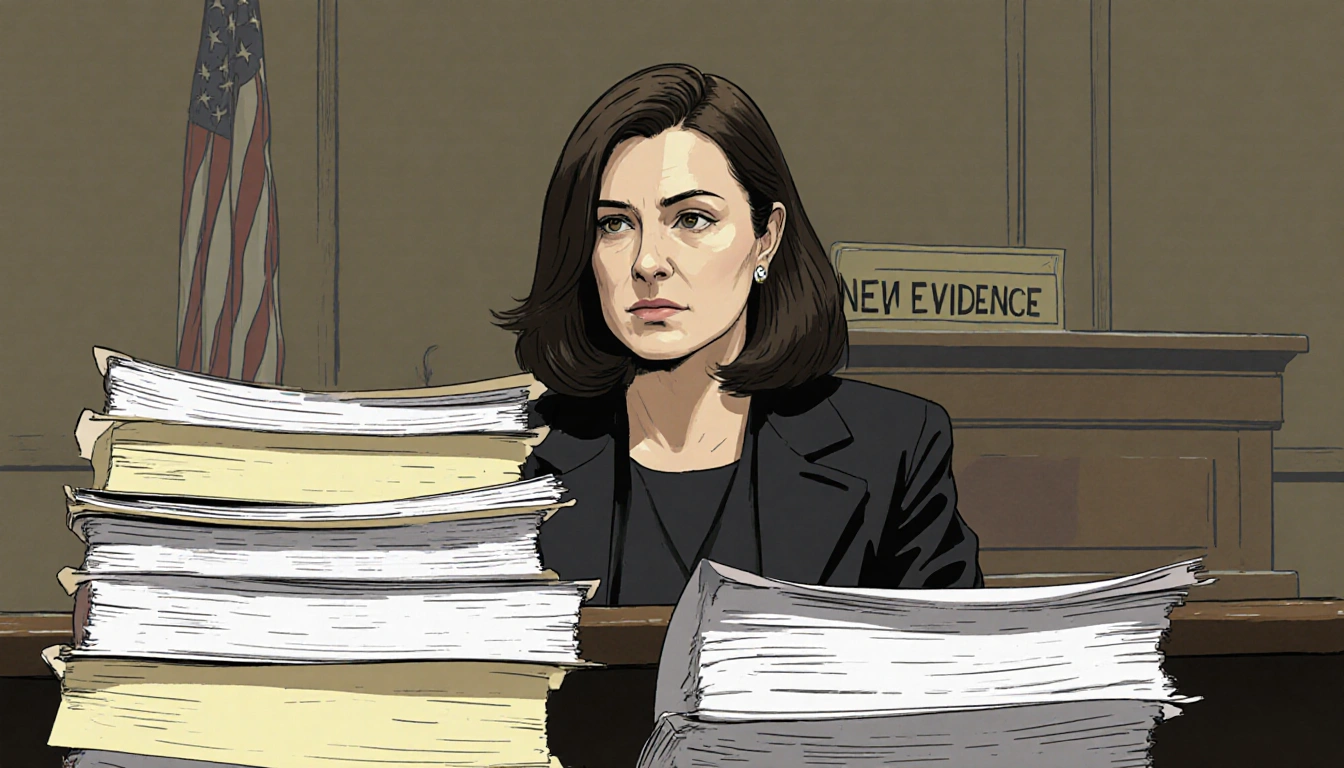
The Justice Department plans to release 18 categories of investigative materials gathered in the massive sex‑trafficking probe. The categories include search warrants, financial records, notes from interviews with victims, and data from electronic devices.
DOJ’s Release Schedule
The DOJ has said it will comply with the law and the judge’s orders. U.S. Attorney Jay Clayton confirmed that the department would follow the transparency requirements.
Judge Engelmayer’s Decision
Judge Paul A. Engelmayer in Manhattan granted the Justice Department’s request to publicly release the materials. Engelmayer had previously rejected unsealing requests before the transparency law was passed.
Engelmayer’s Statement
Engelmayer said the materials “do not identify any person other than Epstein and Maxwell as having had sexual contact with a minor.” He also noted that the documents did not implicate additional individuals.
Attorney Markus’s Comments
Attorney David Markus wrote on Maxwell’s behalf that she “does not take a position” on unsealing documents from her case. Markus added that doing so “would create undue prejudice so severe that it would foreclose the possibility of a fair retrial” if her habeas petition succeeds.
Markus on the Records
Markus also stated that the records “contain untested and unproven allegations.” He cautioned that releasing the documents could damage Maxwell’s chances of a retrial.
Pardon Inquiry
President Trump was asked about a possible pardon for Maxwell after the Supreme Court’s rejection of her appeal. No pardon was issued at that time.
Closing
The release of the 18 categories of records will provide the public with a broader view of the Epstein investigation. Maxwell’s petition remains pending, while the DOJ continues to adhere to the new transparency requirements.
Key Takeaways
- Maxwell seeks to overturn her 2021 conviction citing new evidence and violations.
- The DOJ will release 18 categories of Epstein‑related records by Dec. 19.
- Judge Engelmayer granted the request, noting no other individuals are implicated.
The interplay between Maxwell’s legal challenges and the DOJ’s transparency obligations underscores the ongoing scrutiny of the Epstein case.