> At a Glance
> – AI-edited images of an ICE shooting and President Trump’s Venezuela operation flooded feeds within days of 2026
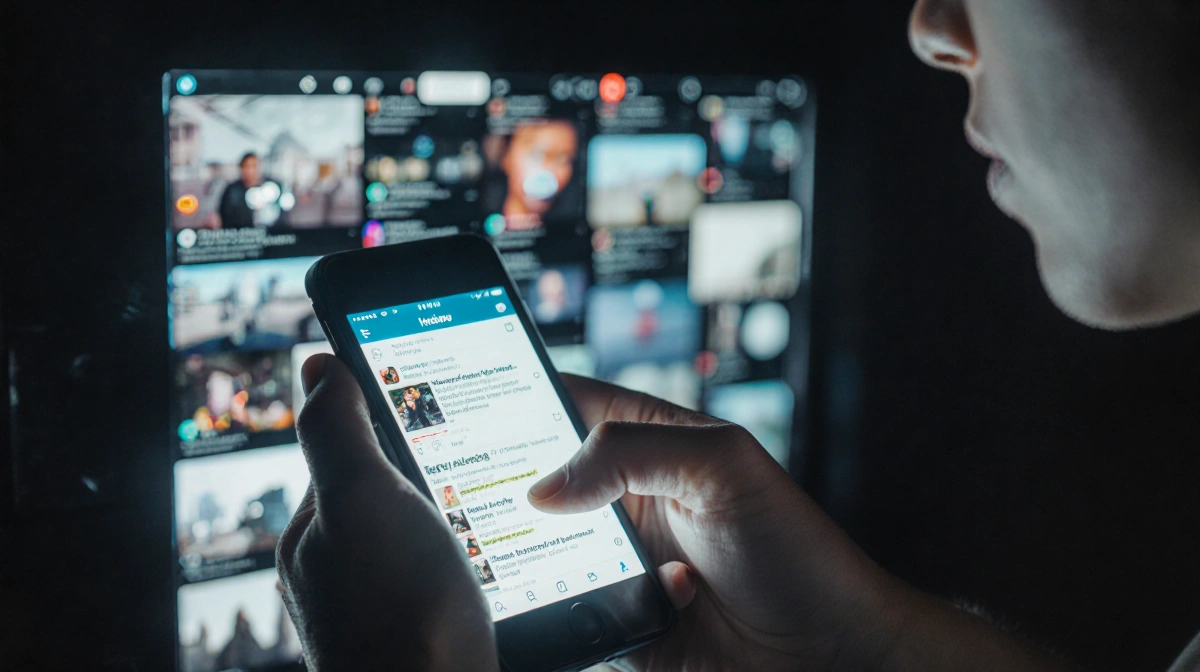
> – Old videos and synthetic photos now mingle with real footage, super-charged by platform payouts for engagement
> – Experts say people already judge real content as fake-and fake as real-especially when politics are involved
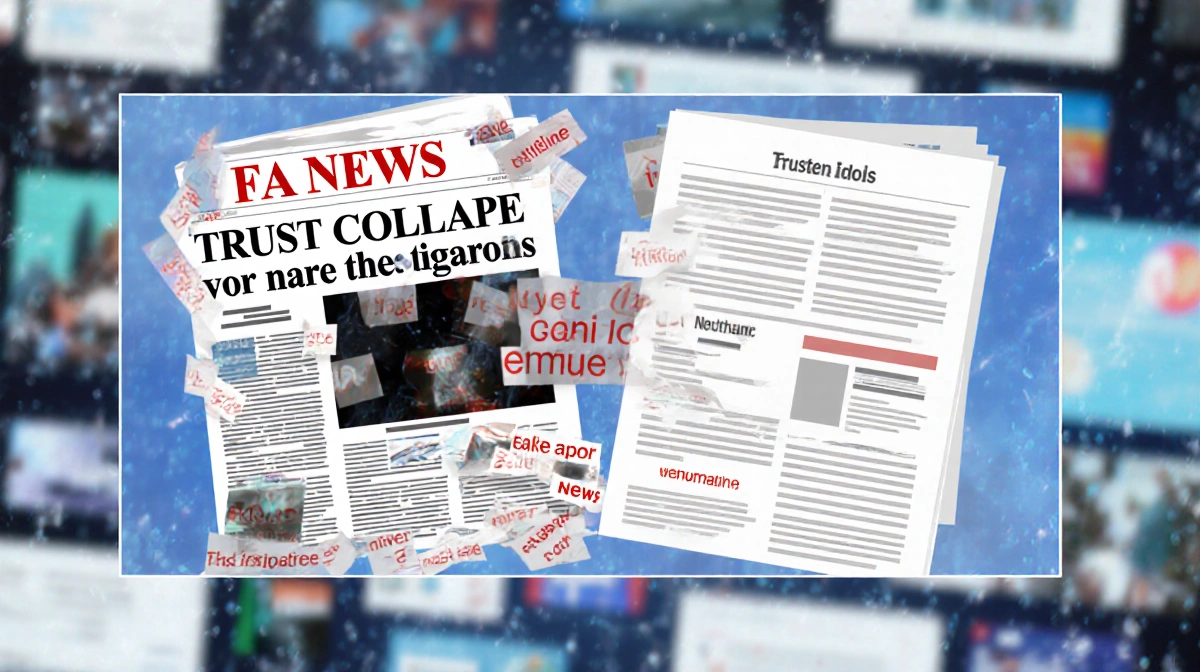
> – Why it matters: Every scroll can chip away at trust, pushing users toward disengagement and making truth-seeking feel pointless
The opening week of 2026 delivered a blunt reminder that “seeing is believing” no longer applies online. As AI tools turn sketchy posts into lifelike images, everyday viewers struggle to separate fact from fiction-and the experts watching it unfold warn the confusion is only starting.
How AI Content Hijacked Two Big Stories
President Donald Trump‘s Venezuela announcement and a fatal ICE shooting became case studies in digital deception. Within hours:
- A fake, likely AI-edited photo of the shooting scene raced across platforms, even though real video existed
- Users deployed AI to digitally unmask the officer involved
- Trump shared an image of a blindfolded Nicolás Maduro aboard a U.S. ship; AI-generated videos of grateful Venezuelans followed, amplified by Elon Musk
Fast-moving events are fertile ground for forgeries, says Jeff Hancock, founding director of the Stanford Social Media Lab. Gaps in early reporting invite synthetic stand-ins, and social sites that reward engagement give posters every reason to keep the cycle alive.
The Trust Default Is Flipping
> “We’re getting close to the point-if we’re not already there-where detecting a fake by sight alone will be impossible”
>
> – Jeff Hancock, Stanford Social Media Lab
Previous panics over Photoshop or 15th-century propaganda followed the same pattern, but generative AI accelerates the damage. Renee Hobbs at the University of Rhode Island argues constant second-guessing exhausts audiences:
- Cognitive overload breeds disengagement
- Disengagement erodes the very desire to find truth
- The danger shifts from mere deception to wholesale apathy
Confirmation bias makes the mess worse. Hany Farid of UC Berkeley found viewers are equally likely to brand authentic footage fake and synthetic images real; add partisan cues and accuracy nosedives.
What Might Help-and When
Stopgap literacy tips still circulate-count fingers, check metadata-but developers expect them to age out quickly. Longer-term fixes inch forward:
| Initiative | Target Group | Launch |
|---|---|---|
| OECD Media & AI Literacy test | 15-year-olds globally | 2029 |
Instagram head Adam Mosseri says users must shift from “assume real” to “start skeptical,” an uncomfortable leap for a species wired to trust its eyes. Siwei Lyu, keeper of the open-source DeepFake-o-meter, recommends one free habit:
Ask why you trust-or distrust-every post, photo, or clip before sharing
Key Takeaways
- AI fabrications now ride alongside genuine evidence in breaking-news cycles
- Political content turbocharges mistaken judgments of real vs. fake
- Platform incentives reward recycled, emotionally charged media-true or not
- Experts say common-sense skepticism offers the best everyday shield while technical standards lag
The first headlines of 2026 show that without new verification tools, the burden of telling real from rendered falls squarely on each viewer.