> At a Glance
> – Lenovo demoed an AI-powered display that tracks blinks, yawns and posture
> – The concept reminds users to take breaks and adjust blue light automatically
> – A second prototype laptop screen rolls up to add 50% more display space
> – Why it matters: These concepts hint at future PCs that protect your health and expand on demand
Lenovo brought two experimental screens to CES: one that watches for signs of fatigue and another that literally grows taller when you need more room.
AI Display That Judges Your Energy Level
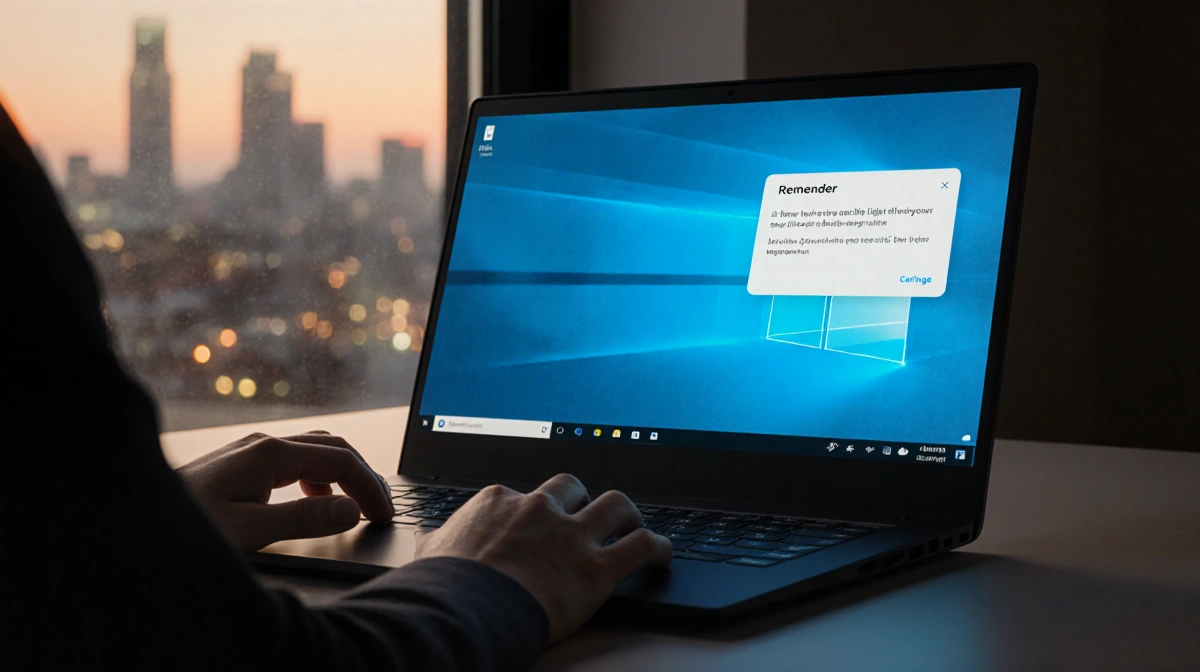
The AI-Powered Personalized Display Concept pairs a webcam with software that reads your face. It logs every blink, yawn, and slouch, then pops up polite warnings such as:
> “You seem a bit fatigued. Why not close your eyes for 20 seconds or gaze into the distance for a moment to relax your eyes?”
If you hunch forward too long, a new alert arrives:
> “Please be mindful of your posture to protect your spinal health.”
The panel also dims blue light and tweaks brightness based on the time of day, aiming to reduce end-of-day eye strain. For now, the unit is only a concept with no release date.
Rollable Screen Extends from 13″ to Nearly 16″
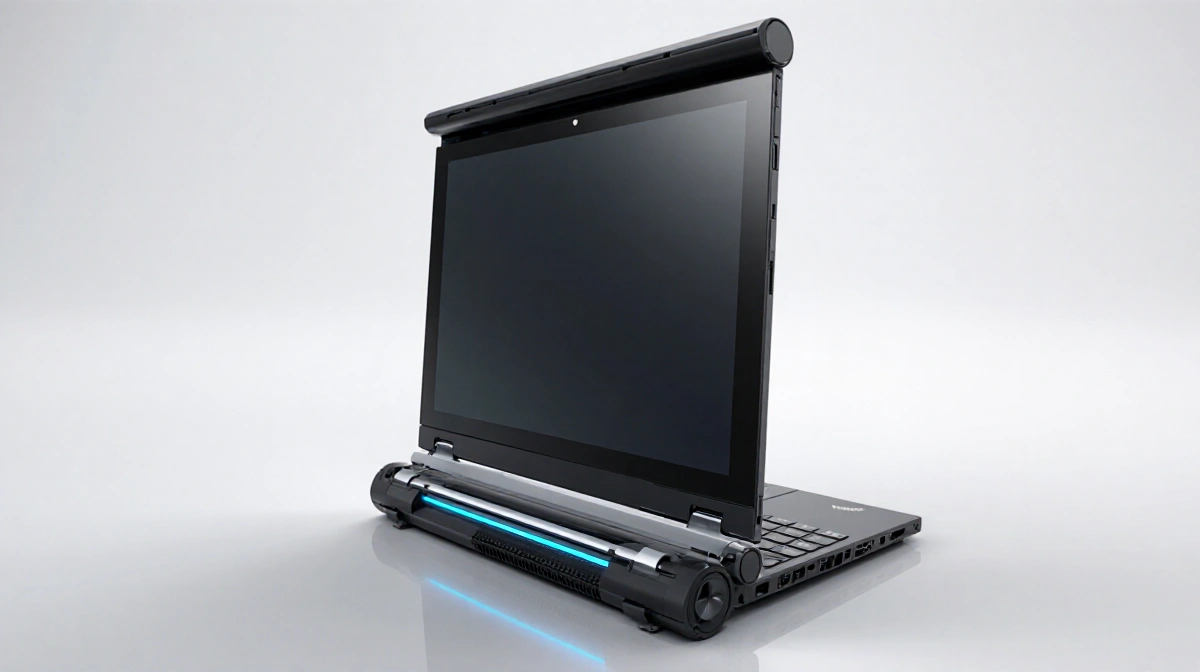
Lenovo’s ThinkPad Rollable XD Concept hides extra pixels inside the chassis. Push a button and the display rises vertically, growing from 13.3 inches to almost 16 inches-a roughly 50% increase in viewable area. Roll it back down when it’s time to leave.
Extra tricks live on the lid:
- Gorilla Glass Victus 2 panel shows calendar, battery, or custom images
- Touch gestures along the top edge launch apps or switch modes
Unlike the company’s Legion Pro Rollable Concept, which stretches sideways for gamers, this rollable is built for road warriors who occasionally need a bigger workspace.
Key Takeaways
- AI display watches for tired cues and nudges you to rest
- Blue-light and brightness shifts happen automatically
- Rollable laptop gives nearly 4 extra inches of screen on demand
- Both devices remain prototypes with no announced launch plans
Lenovo’s experiments suggest tomorrow’s PCs could both care for your health and change shape to match your workflow.