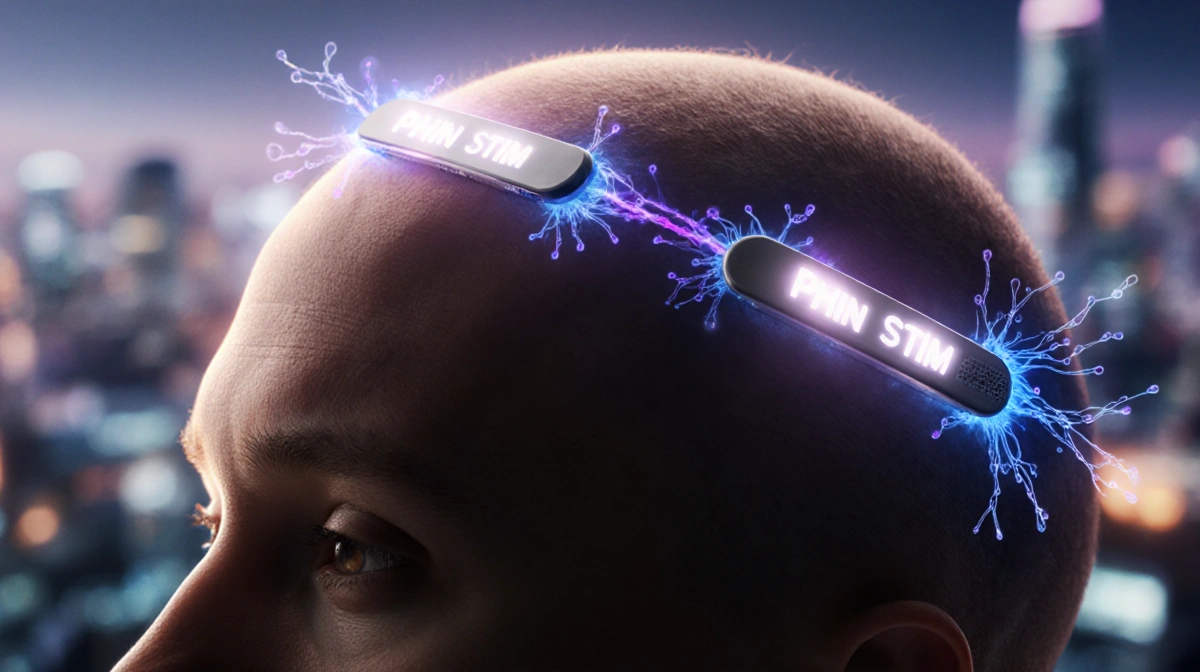
> At a Glance
> – Gbrain’s Phin Stim uses paper-thin electrodes that rest on the brain’s surface
> – Two versions shown at CES 2026: one in trials, one awaiting Korean approval
> – Device monitors erratic signals and delivers gentle corrective pulses
> – Why it matters: Offers new hope for patients whose symptoms resist medication
Amid the neon chaos of CES 2026, a quiet Korean booth pulled Olivia M. Hartwell aside with hardware that could steady tremors and calm seizures.
How Phin Stim Tunes the Brain
The brain’s tiny electrical chatter can veer off course in epilepsy or Parkinson’s. Phin Stim listens for those glitches, then emits ultra-precise pulses to nudge signals back into rhythm.
Unlike older implants that poke into tissue, Gbrain’s electrodes are flexible films thinner than a hair. They drape over the cortex, cutting irritation while boosting clarity.
Future plans call for a completely internal version-no external boxes-working 24/7 to head off symptoms before they erupt.
From Convention Floor to Clinic
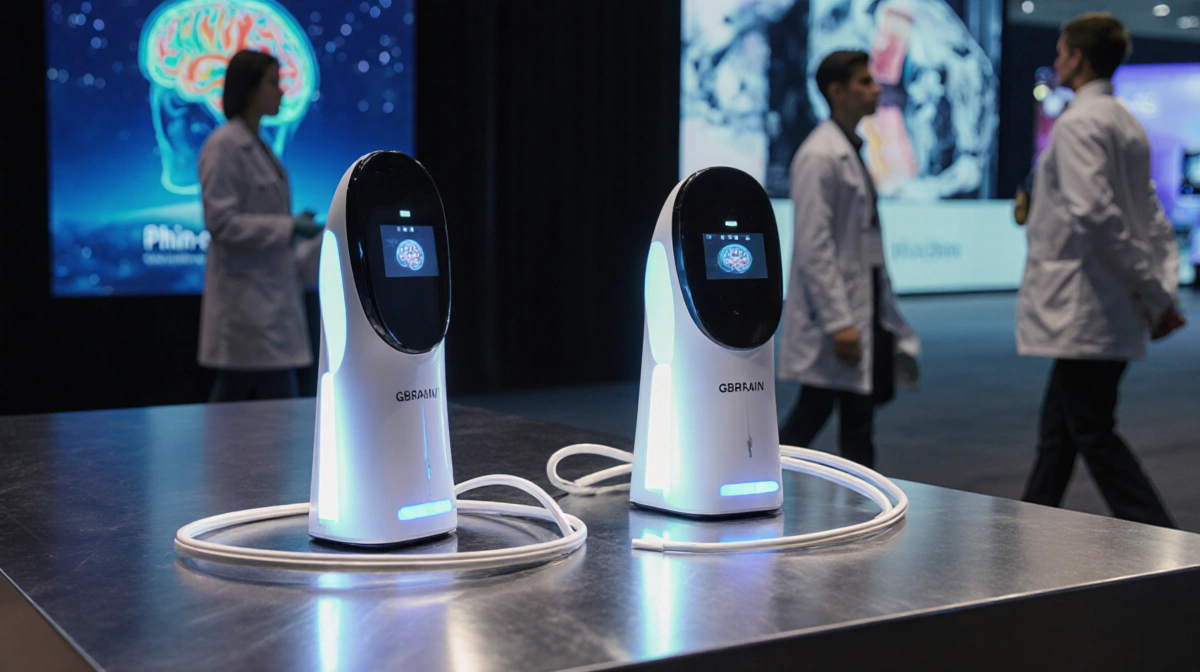
Gbrain brought two Phin Stim models to Las Vegas:
- Clinical-trial unit currently testing in patients
- Refined prototype under regulatory review in Korea
Both earned CES Innovation Awards-2025 for the first, 2026 for the sleeker follow-up.
Euiyoung Kim, neuroscience manager at the Incheon-based startup, kept expectations grounded:
> “The goal is more towards minimizing the symptoms… bringing everyday life back to patients.”
No mind-reading hype, just medicine moving through the unglamorous grind of manufacturing audits, data collection and agency reviews.
Key Takeaways
- Phin Stim targets patients who still suffer despite drug therapy
- Flexible surface electrodes aim to reduce surgical risk
- Korean regulatory clearance is the next gate before wider rollout
- Gbrain’s slow, methodical pace contrasts with CES’s usual “faster-louder” vibe
Sometimes the most compelling tech isn’t the loudest-it’s the device that lets someone hold a coffee cup without shaking.