> At a Glance
> – Disneyland’s Jungle Cruise now features a 3D-printed canoe prop
> – Florida startup Haddy created the boat using industrial-scale 3D printing
> – The project took 70 robot hours vs. 1,000 human hours for traditional methods
> – Why it matters: Disney aims to build park attractions faster and more sustainably using advanced manufacturing
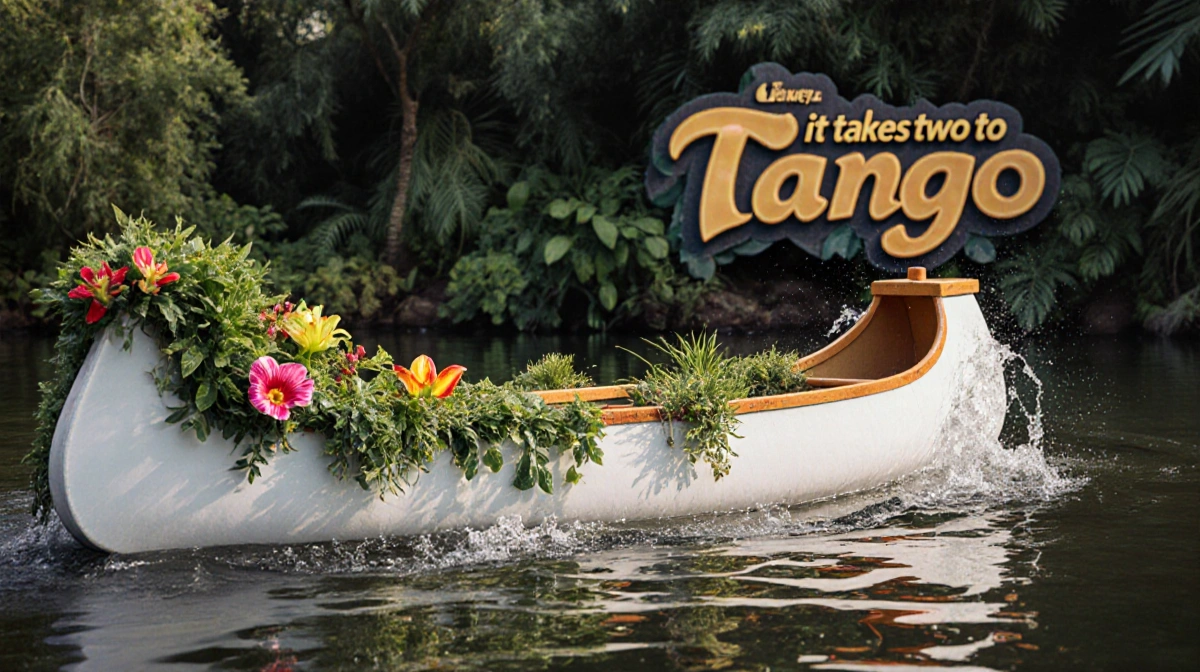
Disneyland’s iconic Jungle Cruise has welcomed a revolutionary addition-a 3D-printed canoe prop that marks a major shift in how theme park attractions are built. The new boat, created by Florida-based startup Haddy, replaces traditional fiberglass construction with cutting-edge manufacturing technology.
From Concept to River
The project began when Jay Rogers, co-founder and CEO of Haddy, announced during Disney Demo Day that his company was installing its first boat in a Disney park. Walt Disney Imagineering collaborated closely with Haddy to ensure the 3D-printed canoe matched the ride’s existing aesthetic.
Chris Hill, Associate R&D Imagineer for Disney, explained the process:
> “We had the old boat, and we did do a 3D scan in order to get it dimensionally. For the creative part of it, we had a photo of the boat from the 1960s, and so using the dimensions from the 3D scan, I modeled the new boat, which is what we used to 3D print the boat.”
The Technology Behind the Magic
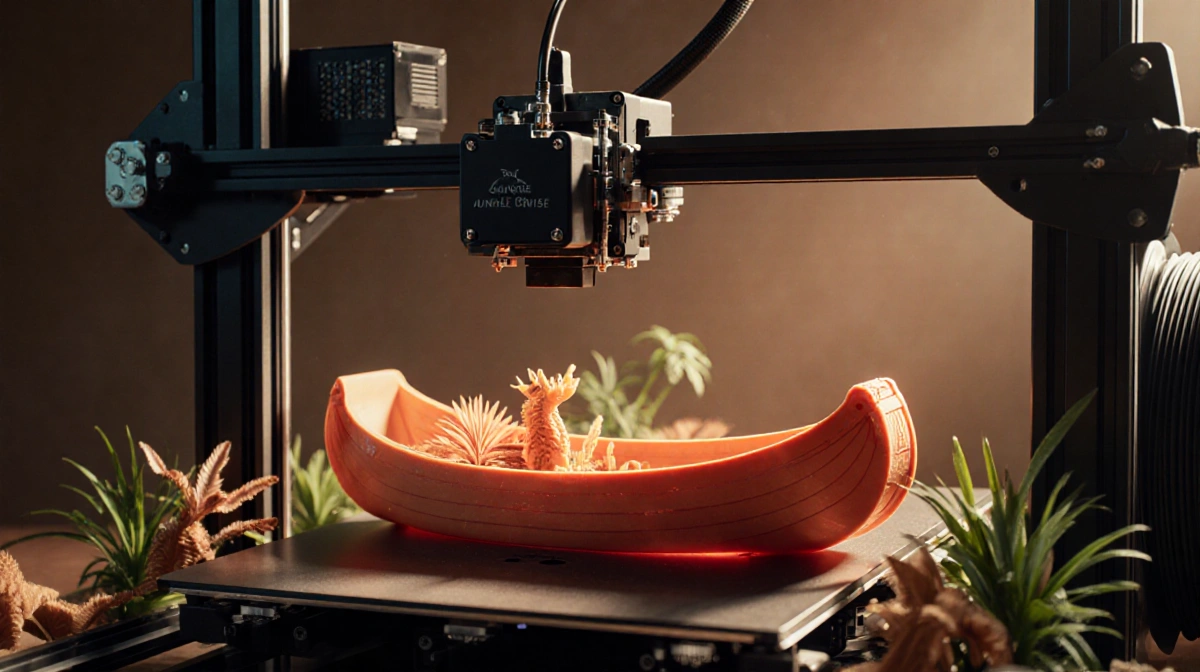
Haddy, founded in 2022 and selected for the 2025 Disney Accelerator Program, specializes in large-scale 3D printing. The company’s Jungle Cruise canoe represents a dramatic efficiency improvement over traditional boat-making methods.
Manufacturing Comparison:
| Method | Time Required | Process |
|---|---|---|
| Traditional | 1,000 human hours | Design → Master mold → 30 mold repetitions → Manufacturing |
| Haddy 3D Printing | 70 robot hours | Digital file → Print → Done |
The benefits extend beyond speed. Nick Blackburn, Executive of Technical Business Operations at Disney, stated:
> “This project right now is the premiere project that we’re working on to show that we can use advanced fabrication, robotic manufacturing and new materials to bring parks to life faster and more effectively.”
Sustainable Innovation
The 3D-printed approach offers environmental advantages. Once a prop reaches the end of its life, the polymer material can be melted down and reprinted into new objects-a circular manufacturing process impossible with traditional fiberglass.
James Bricknell, News Of Los Angeles Senior Editor and 3D printing expert, emphasized the creative potential:
> “You can make them look any way you like, just like the normal boats, but instead of injection molding, you can make each one individual for much less cost.”
Expanding Horizons
This Jungle Cruise project represents just the beginning. Walt Disney Imagineering is exploring 3D printing for multiple applications across Disney properties:
- Closet doors for the new Monsters, Inc. ride at Walt Disney World
- Rock work for various themed lands including Star Wars: Galaxy’s Edge
- Furniture for thousands of hotel rooms across Orlando
Michael Hundgen, portfolio executive creative producer of Walt Disney Imagineering, emphasized the broader vision:
> “We’re not just creating technology for technology’s sake; we’re doing it to help our creative teams bring the stories from the company to life.”
Key Takeaways
- Disney’s first 3D-printed attraction prop is now operational at Disneyland’s Jungle Cruise
- The manufacturing process reduced production time from 1,000 hours to 70 hours
- Haddy’s technology allows for complete design flexibility and material recycling
- Disney plans to expand 3D printing across multiple attractions and properties
- Guests likely won’t notice the difference between traditional and 3D-printed props
The successful integration of this 3D-printed canoe signals a new era where Disney’s legendary storytelling meets cutting-edge manufacturing technology, potentially transforming how theme park magic is created for decades to come.