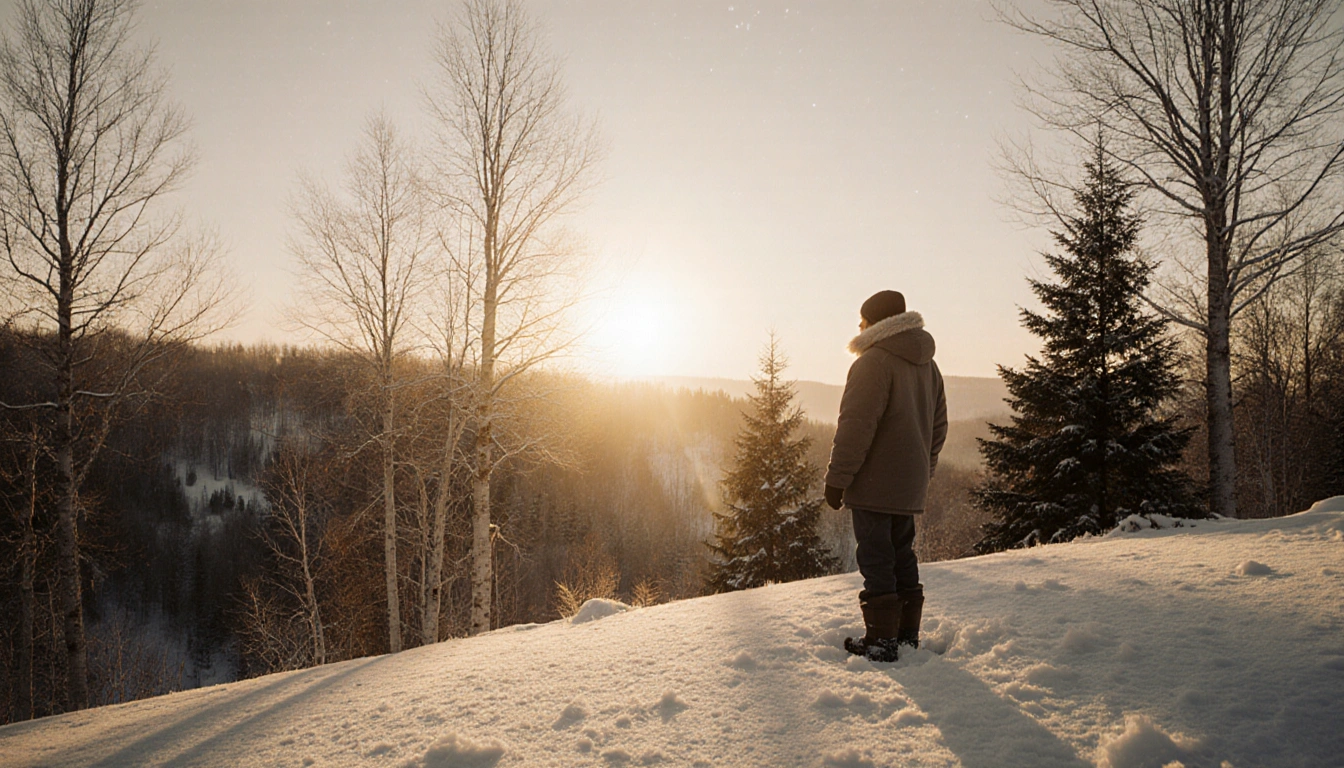
Sunday marks the shortest day north of the equator as winter solstice begins, while Southern Hemisphere celebrates the longest summer day. Equinoxes and seasons explained.
What Is the Solstice?
The Earth travels around the sun at an angle, causing the sun’s warmth and light to fall unevenly on the northern and southern halves of the planet for most of the year. The solstices are the moments when the Earth’s tilt toward or away from the sun is at its maximum. During this tilt, the hemispheres receive very different amounts of sunlight, and days and nights become the most unequal.
At the Northern Hemisphere’s winter solstice the upper half of the Earth leans farthest away from the sun. This lean produces the shortest day and longest night of the year. The winter solstice can fall between December 20 and 23; this year it was on December 21.
In contrast, the Northern Hemisphere’s summer solstice occurs when the upper half of the Earth leans toward the sun. This lean creates the longest day and shortest night of the year. The summer solstice falls between June 20 and 22.
The word “solstice” comes from the Latin words “sol” for sun and “stitium,” which can mean “pause” or “stop.” The solstice marks the end of the sun’s annual march higher or lower in the sky. The winter solstice is when the sun makes its shortest, lowest arc. After this point the sun climbs again, and days gradually lengthen until late June.
What Is the Equinox?
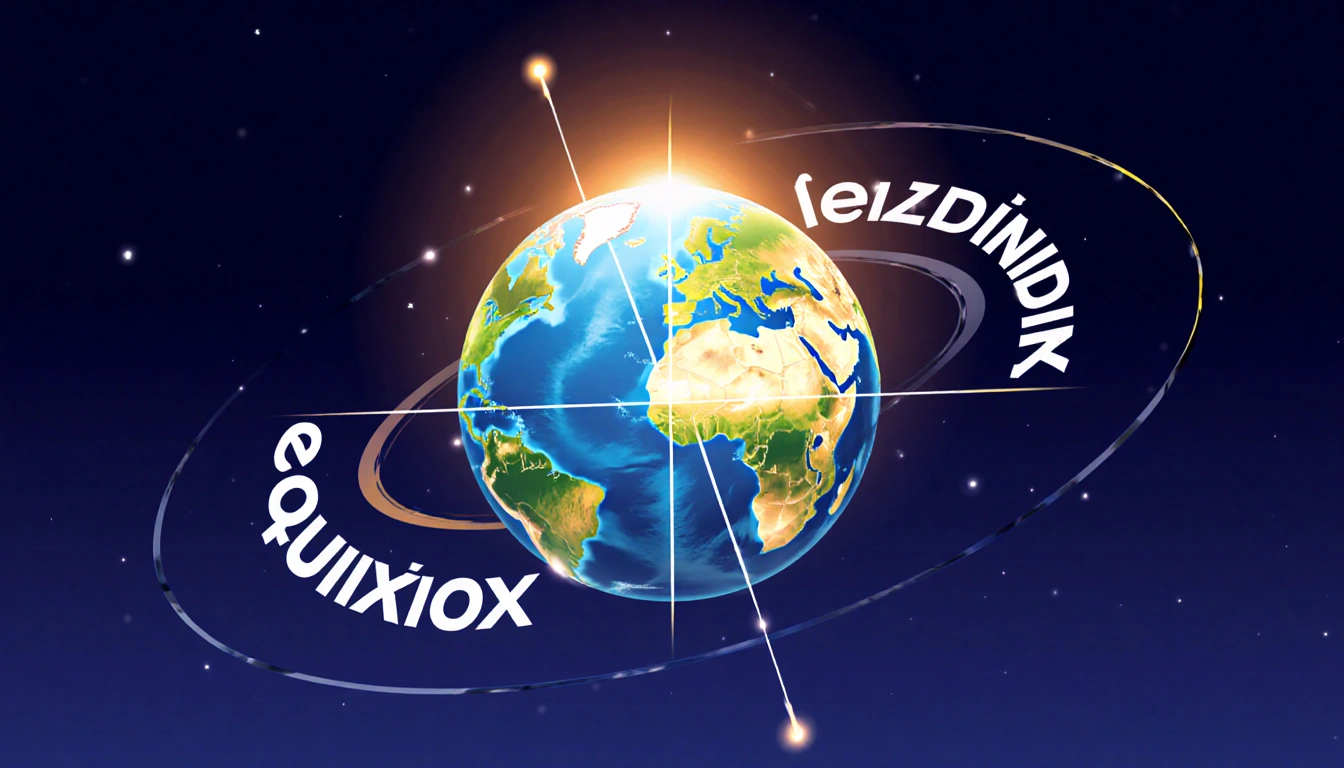
During the equinox the Earth’s axis and its orbit align so that both hemispheres receive roughly equal amounts of sunlight. The word “equinox” comes from two Latin words meaning equal and night, reflecting the near‑equal length of day and night. On the equinox day and night last almost the same amount of time, though a few extra minutes may vary depending on one’s location on the planet.
The Northern Hemisphere’s fall, or autumnal, equinox can land between September 21 and 24, depending on the year. Its spring, or vernal, equinox can land between March 19 and 21.
Meteorological vs Astronomical Seasons
These are two different ways to divide the year.
Astronomical seasons depend on how the Earth moves around the sun. Meteorological seasons are defined by weather patterns. Meteorologists break the year into three‑month seasons based on annual temperature cycles:
- Spring starts on March 1
- Summer starts on June 1
- Fall starts on September 1
- Winter starts on December 1
These meteorological dates provide a simpler calendar for weather forecasting, while astronomical dates tie directly to the Earth’s position relative to the sun.
Celebrations and Cultural Significance
People have marked solstices for eons with celebrations and monuments. Stonehenge, a prehistoric monument in Britain, was designed to align with the sun’s paths at the solstices. Revelers gathered to celebrate the winter solstice at Stonehenge in Britain on Friday.
The alignment of Stonehenge with the sun’s position at solstices demonstrates how ancient cultures observed and honored the changing lengths of day and night.
Key Takeaways
- The winter solstice, the shortest day north of the equator, falls between December 20 and 23, on December 21 this year.
- The summer solstice, the longest day in the Southern Hemisphere, occurs between June 20 and 22.
- Equinoxes bring nearly equal day and night, with the fall equinox between September 21‑24 and the spring equinox between March 19‑21.
- Meteorological seasons use fixed calendar dates, while astronomical seasons follow the Earth’s movement around the sun.
The changing light each season offers a reminder that, even on the darkest days, brighter times are ahead.
*The Associated Press Health and Science Department receives support from the Howard Hughes Medical Institute’s Department of Science Education and the Robert Wood Johnson Foundation. The AP is solely responsible for all content.*