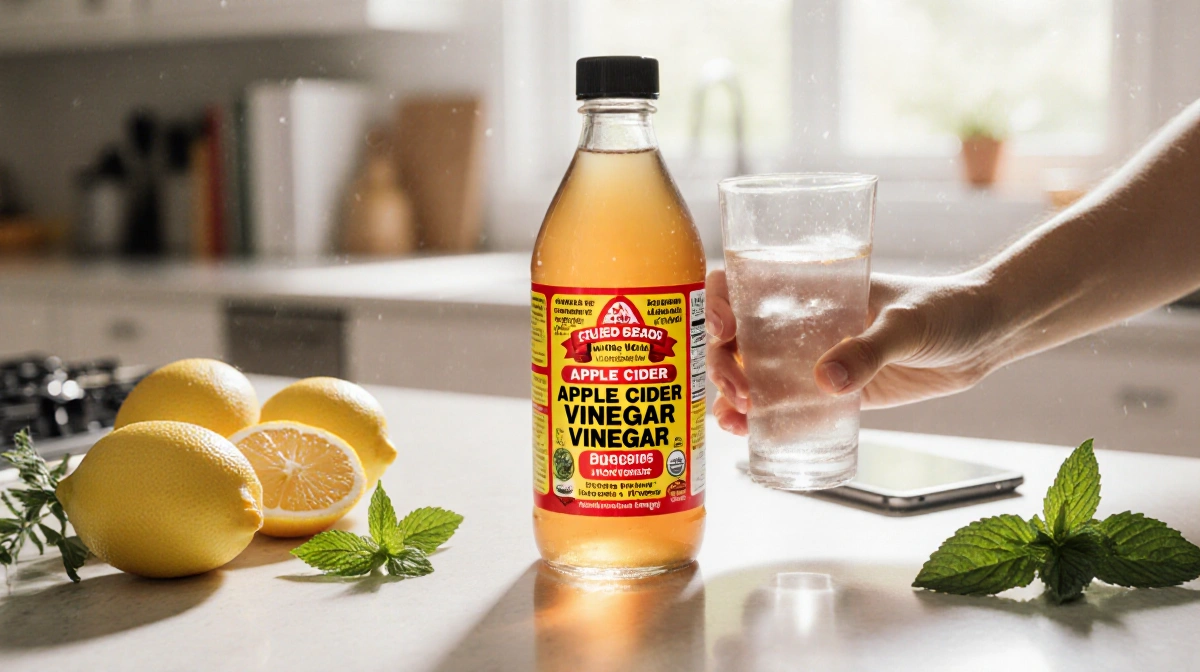
> At a Glance
> – Apple cider vinegar (ACV) may help lower blood sugar, kill bacteria, and trim 3.7 lb in three months
> – Undiluted shots can erode tooth enamel, burn the throat, or drop potassium to dangerous levels
> – Safe dose: 1 tsp-1 tbsp mixed with 6-8 oz water before meals
> – Why it matters: Millions chasing 2026 health goals could wreck teeth or meds if they follow viral “ACV shots” without dilution or medical advice
Viral TikTok clips show users knocking back apple-cider-vinegar “shots” for rapid weight loss and blood-sugar control. Before you join the challenge, News Of Los Angeles breaks down what the small studies actually show-and the injuries clinicians are already seeing in clinic.
What ACV Is (and Isn’t)
Fermented apple juice becomes vinegar when bacteria turn alcohol into acetic acid. The cloudy “mother” that settles in raw bottles contains trace probiotics, but no research proves it drives the claimed benefits.
You can buy:
- Filtered & pasteurized (clear, shelf-stable)
- Raw & unfiltered (cloudy with mother)
Kitchen uses span salad dressings, food preservative, household cleaner, hair rinse, and weed killer.
Evidence for the Hype

Human trials remain small, yet results line up across four areas:
- Blood-sugar control: Two studies show 2 tbsp before bed cut waking fasting glucose; another found vinegar with meals improved insulin response.
- Microbe killer: Korean lab tests show acetic acid stops E. coli, norovirus, staph, and candida growth, making it a natural preservative.
- Weight loss: In a 12-week study, adults taking 1-2 tbsp daily ate 200-275 fewer calories and lost 3.7 lb plus body-fat inches.
- Cholesterol: Combining ½-1 oz daily with a lower-calorie diet raised HDL (“good”) cholesterol and lowered total cholesterol and triglycerides in people with and without type 2 diabetes.
The Hidden Dangers
The same acid that kills germs can wreck your body if used recklessly:
- Enamel erosion-once gone, it never regrows
- Throat burns or ulcers when sipped straight
- Dangerously low potassium (hypokalemia) with high, frequent doses
- Nausea, vomiting, and possible drug clashes with insulin, diuretics, or certain heart meds
Registered dietitian Amelia Ti warns:
> “ACV alone will not lower blood sugar levels and should not be considered a substitute for diabetes medications.”
Registered dietitian nutritionist Marisa Moore adds:
> “No one food is a silver bullet. Use ACV safely within a balanced, whole diet.”
Smart Usage Guide
Keep the benefits, ditch the damage:
| Goal | Dose | How |
|---|---|---|
| Blood-sugar support | 1 tsp-1 tbsp | Dilute in 6-8 oz water; sip just before carb-heavy meals |
| Food preservative | 1 part ACV to 10 parts brine | Mix into pickling liquid; store chilled |
| Hair rinse | 1-2 tbsp per cup water | Apply post-shampoo; rinse after 5 min; limit to weekly |
Never drink it undiluted. Skip shots entirely. Rinse mouth with plain water afterward to protect teeth.
Premixed drinks (Bragg, Poppi, Remedy, Sidekick Sodas) dilute ACV and add flavor, but check labels for added sugars.
Key Takeaways
- ACV may shave 3.7 lb and modestly improve blood sugar, but evidence is limited to small, short-term studies
- Straight shots risk permanent enamel loss, throat burns, or dangerous potassium drops
- Safe use: ≤1 tbsp in a full glass of water, ideally before meals; rinse mouth afterward
- Diabetics or anyone on insulin, diuretics, or potassium-affecting drugs must consult their doctor first
- ACV is a condiment, not a cure; whole-diet and lifestyle changes still outweigh any single ingredient
Bottom line-sprinkle, don’t shoot. Diluted and in food, apple-cider vinegar can safely perk up flavor and may nudge the scale and your lab numbers, but it’s no miracle cure.