At a Glance
- Jacob Smith visited Thailand through VR headset while serving prison sentence
- Los Angeles nonprofit brings virtual reality to California prisons
- Program helps inmates prepare for reentry into society
- Why it matters: Virtual reality offers incarcerated people exposure to outside world
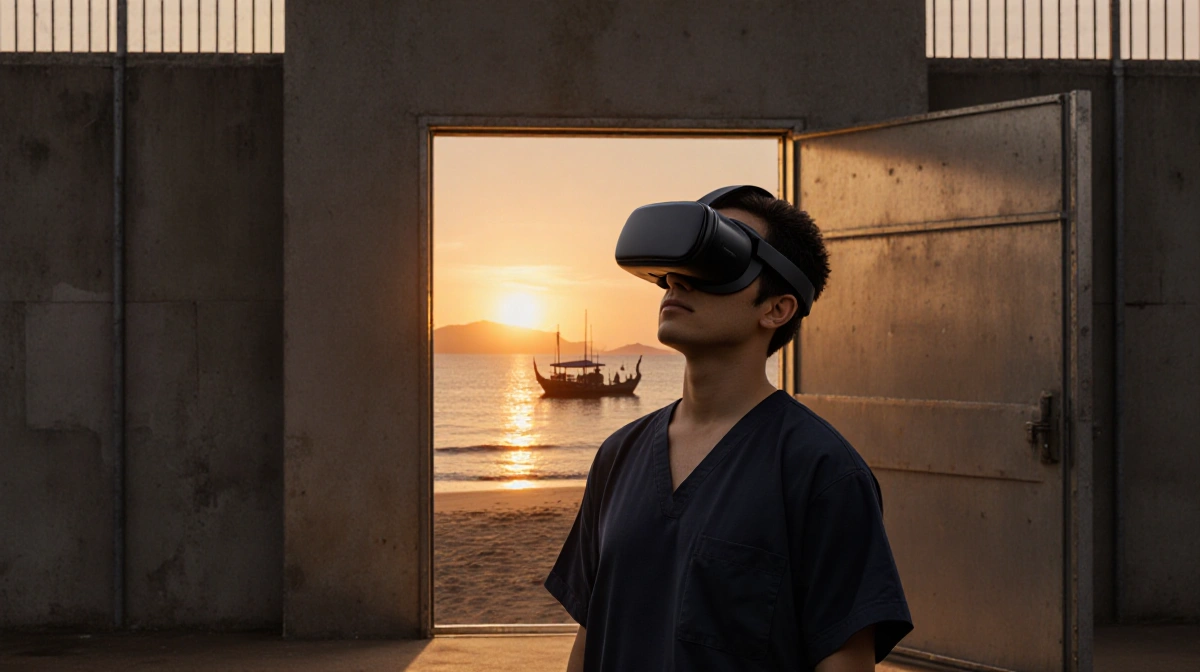
Jacob Smith traveled to Thailand without leaving prison. He strapped on a virtual reality headset and explored Bangkok’s bustling markets and lush landscapes.
Virtual Reality Behind Bars
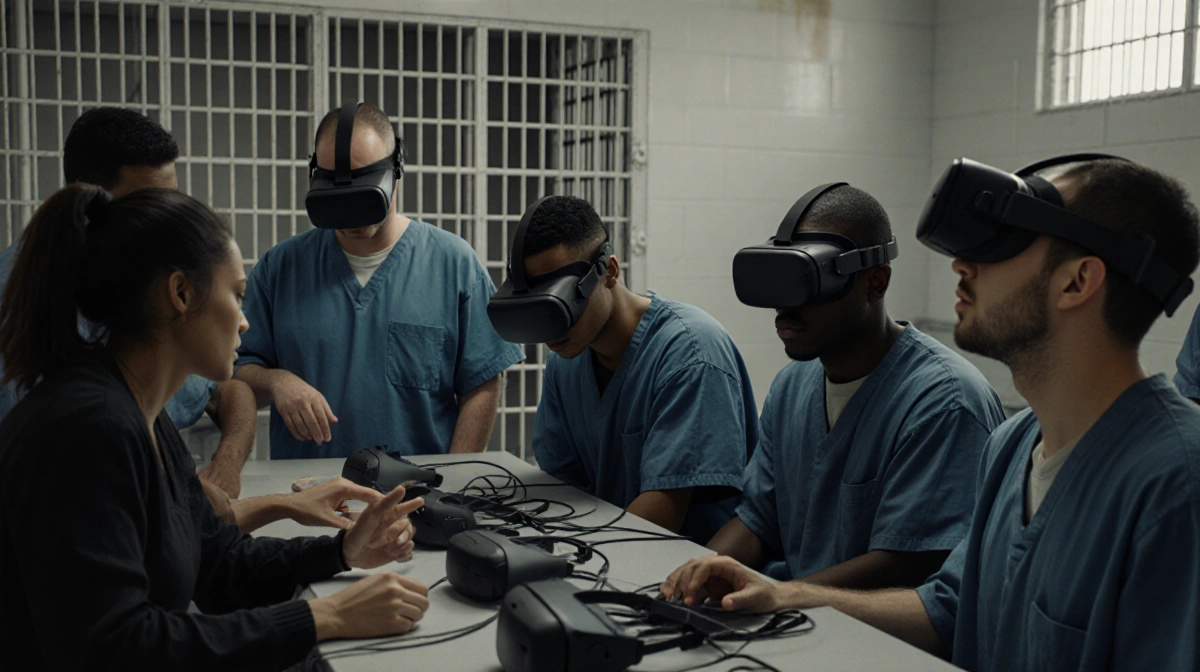
The technology comes from Creative Acts, a Los Angeles nonprofit. They bring VR headsets to California prisons. Inmates sit on metal folding chairs and slip on opaque goggles.
Some experience exotic destinations. Others practice job interviews. Virtual interviewers range from easygoing to hard-nosed. The goal: prepare inmates for employment after release.
Jacob Smith recalled his first VR trip: “I went to Thailand, man!” He’s eligible for parole in 2031 and now helps fellow inmates navigate the technology.
More Than Entertainment
The program runs three times yearly at four prisons. Creative Acts uses 100 Oculus headsets donated by Meta. Sessions occur in general population and solitary confinement.
Sabra Williams founded Creative Acts. She calls VR devices “hope machines” after witnessing inmates’ emotional responses.
Richard Richard first used VR six years ago. Now he volunteers for Creative Acts. “You may physically be here, but mentally, spiritually you can transcend this environment,” he said.
Key Takeaways
- Virtual reality provides brief escape for incarcerated people
- Technology helps inmates prepare for reentry challenges
- Programs operate at four California prisons currently
- Creative Acts hopes to expand statewide and nationwide
The California Department of Corrections sees potential for VR to heal trauma and prepare inmates for successful reentry into society.