> At a Glance
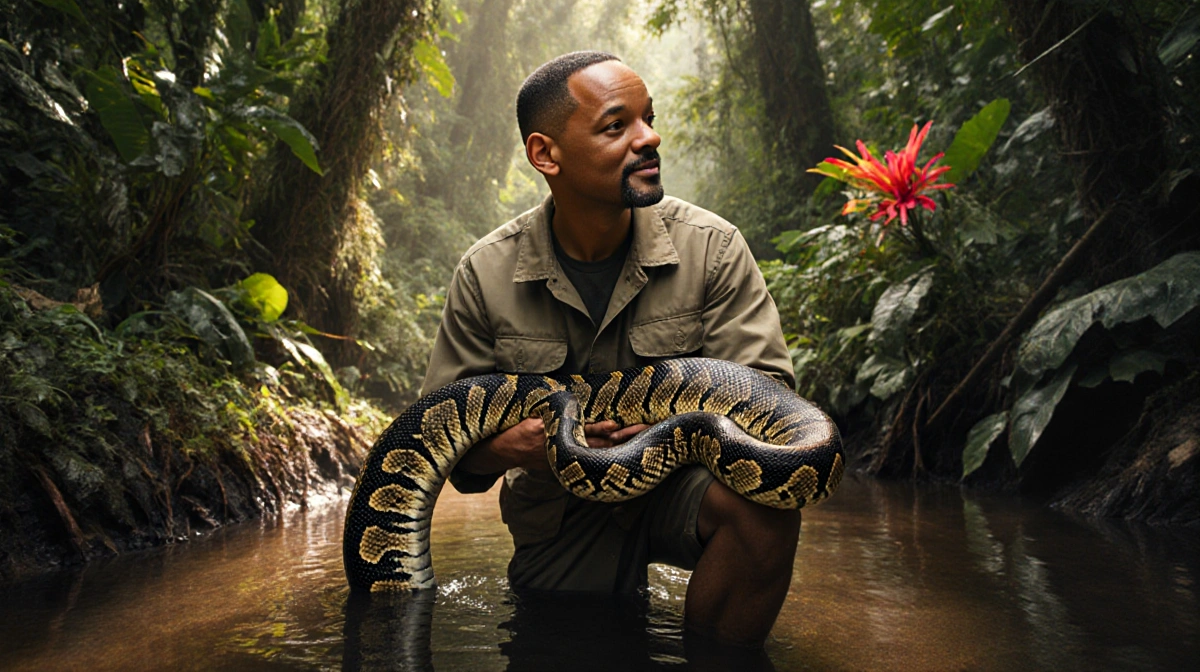
> – Will Smith encountered a 17-foot anaconda during filming in Ecuador
> – Northern green anaconda confirmed as genetically distinct species
> – Disney+ series premieres January 13
> – Why it matters: This represents breakthrough wildlife genetics research
Will Smith’s latest adventure took him deep into Ecuador’s Amazon basin, where cameras captured the actor helping scientists collect genetic samples from a massive anaconda. The encounter resulted in confirmation that northern green anacondas constitute a separate species from their southern relatives.
The Discovery
During filming for Pole to Pole with Will Smith, the 57-year-old actor joined venom expert Bryan Fry and Waorani guides along Ecuador’s river systems. When they spotted the enormous snake basking on the shoreline, guides immediately secured the specimen for scientific sampling.
Bryan Fry instructed Smith:
> “We want to take a piece of one scale to measure pollutant accumulation in the water.”
Smith assisted by cleaning debris from the snake’s belly scales while Fry carefully trimmed a sample for research.
Scientific Breakthrough
Laboratory analysis revealed northern green anacondas diverged from southern populations approximately 10 million years ago. Genetic differences reach 5.5%-significant compared to humans differing from chimpanzees by only 2%.
Species characteristics:
- Northern green anacondas reach larger sizes
- Smaller geographic range within Amazon basin
- Non-venomous constrictors belonging to boa family
- Heaviest snakes globally by weight
Key Takeaways
- Northern green anaconda confirmed as distinct species
- Single scale sample enabled genetic sequencing
- Pole to Pole series documents wildlife research
- Collaboration with Indigenous guides proved essential
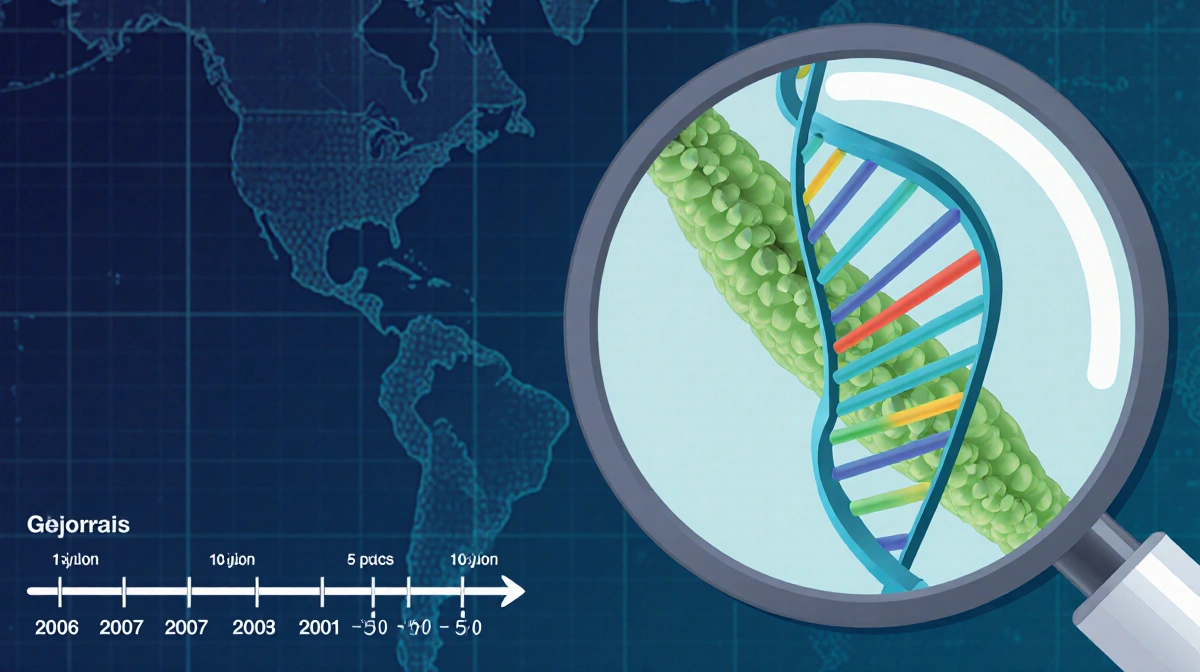
The encounter demonstrates how entertainment programming can advance legitimate scientific discovery while showcasing Amazon biodiversity.
Pole to Pole with Will Smith streams on Disney+ beginning January 13.