> At a Glance
> – U.S. military has captured Venezuelan leader Nicolás Maduro
> – Trump claims U.S. authority over the entire Western Hemisphere
> – Washington tells Venezuela to cut Beijing ties, but still wants its oil
> – Why it matters: The move tests China’s 20-year economic footprint in Latin America
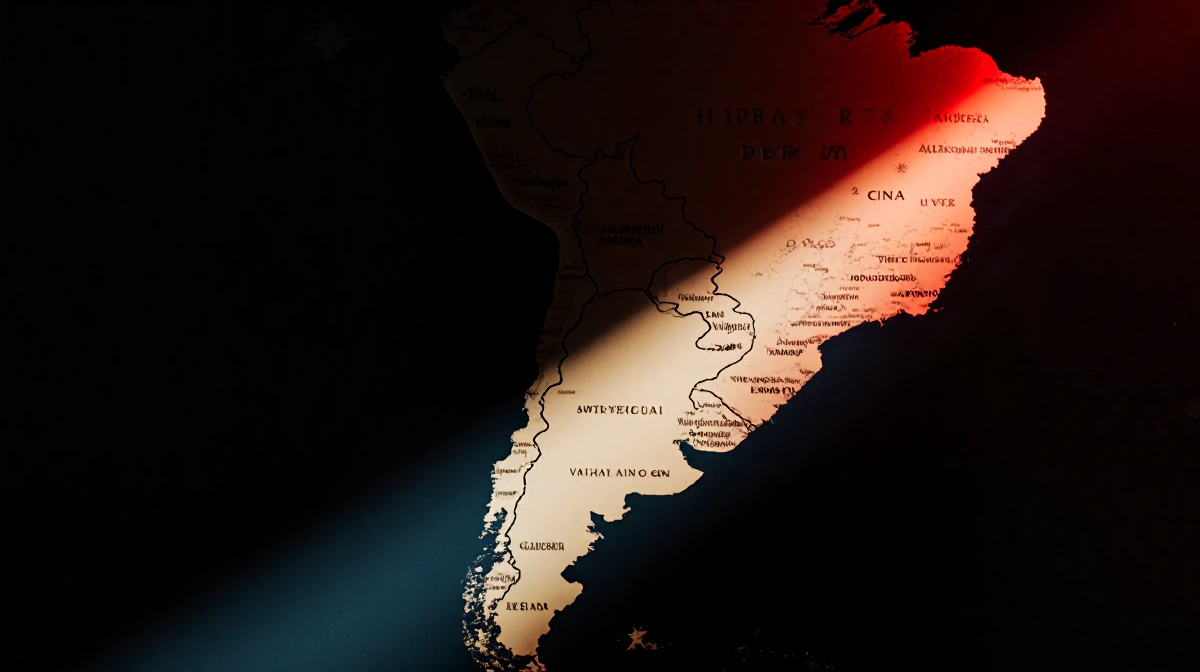
President Donald Trump declared U.S. hegemony over the Americas after forces seized Nicolás Maduro, while his team orders Venezuela to distance itself from China-the region’s top trading partner since 2010.
The Capture and the Warning
Secretary of State Marco Rubio told NBC the operation aims to keep adversaries from using the hemisphere as a base. He cited China’s growing sway as a key justification for the strike.
Energy Secretary Chris Wright echoed the stance on Fox News, saying Washington will not block Beijing from buying Venezuelan crude. Venezuela sells most of its oil to China, yet those barrels equal only a single-digit share of China’s total imports.
China Reacts-With Limits
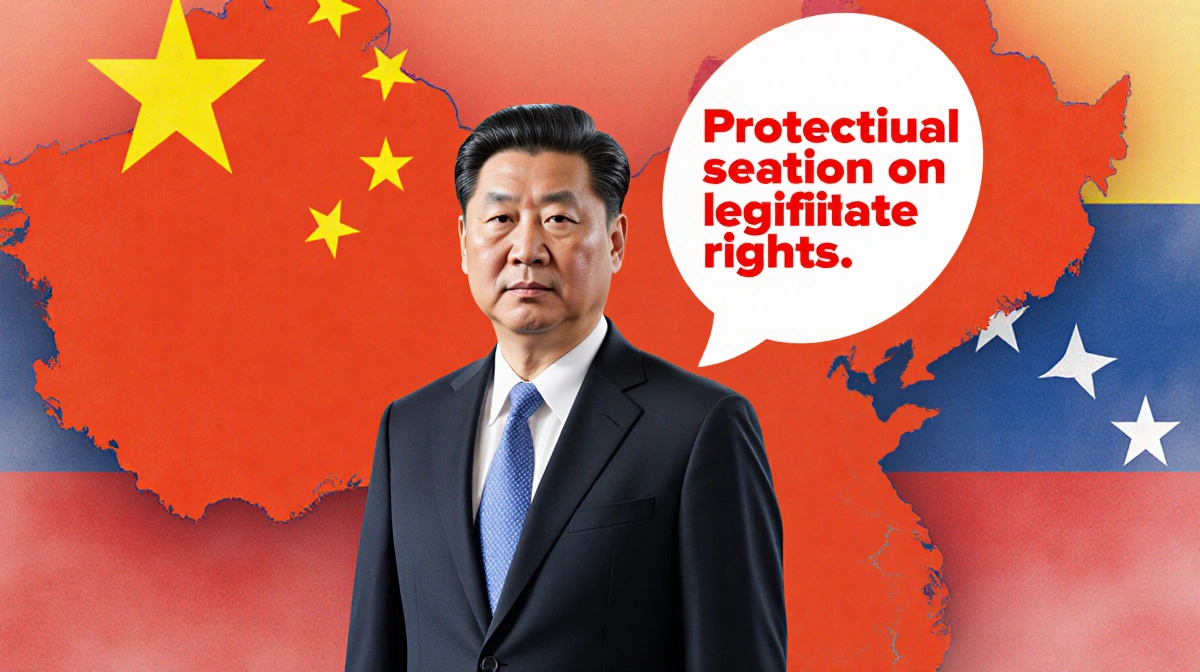
Beijing condemned the “reckless use of force” and demanded protection of its “legitimate rights” in Venezuela, according to foreign-ministry spokesperson Mao Ning.
Delcy Rodríguez, Venezuela’s interim leader, met Chinese Ambassador Lan Hu and praised Beijing’s support. She welcomed the firm stance against the violation of Venezuelan sovereignty.
Despite the rhetoric, China has:
- No defense treaty with Caracas
- No troops in the region
- Shrinking investment after years of unpaid loans
Economic Footprint Hard to Uproot
Since 2004 China has poured money into ports, roads, and tech across Latin America. One flagship project is the Chancay deep-water port in Peru that opened in 2024.
| Country | Recent China-Related Move |
|---|---|
| Panama | Quit Belt & Road; HK firm to sell canal ports to BlackRock-led group |
| Honduras | Presidential hopefuls mull restoring Taiwan ties |
| Mexico | Approved tariffs up to 50% on Chinese imports |
The White House strategy vows to deny non-hemispheric powers control of critical assets, yet everyday life shows the challenge. Consumers browse on Xiaomi phones and drive BYD cars that have become ubiquitous, notes professor Carol Wise.
Mixed Regional Response
- Argentina and Ecuador back Trump’s action
- Mexico and Brazil condemn it
- Most states pursue balanced ties with both powers
Key Takeaways
- U.S. forces now hold Maduro and assert control over Venezuelan resources
- Washington wants Caracas to pivot away from Beijing but still sell it oil
- China’s two-decade economic network gives it staying power despite U.S. pressure
- Latin America is splitting, not rushing, in its reaction to both superpowers
The hemisphere’s economic reality-ports, phones, and cars stamped Made in China-may blunt any declaration of exclusive U.S. dominance.