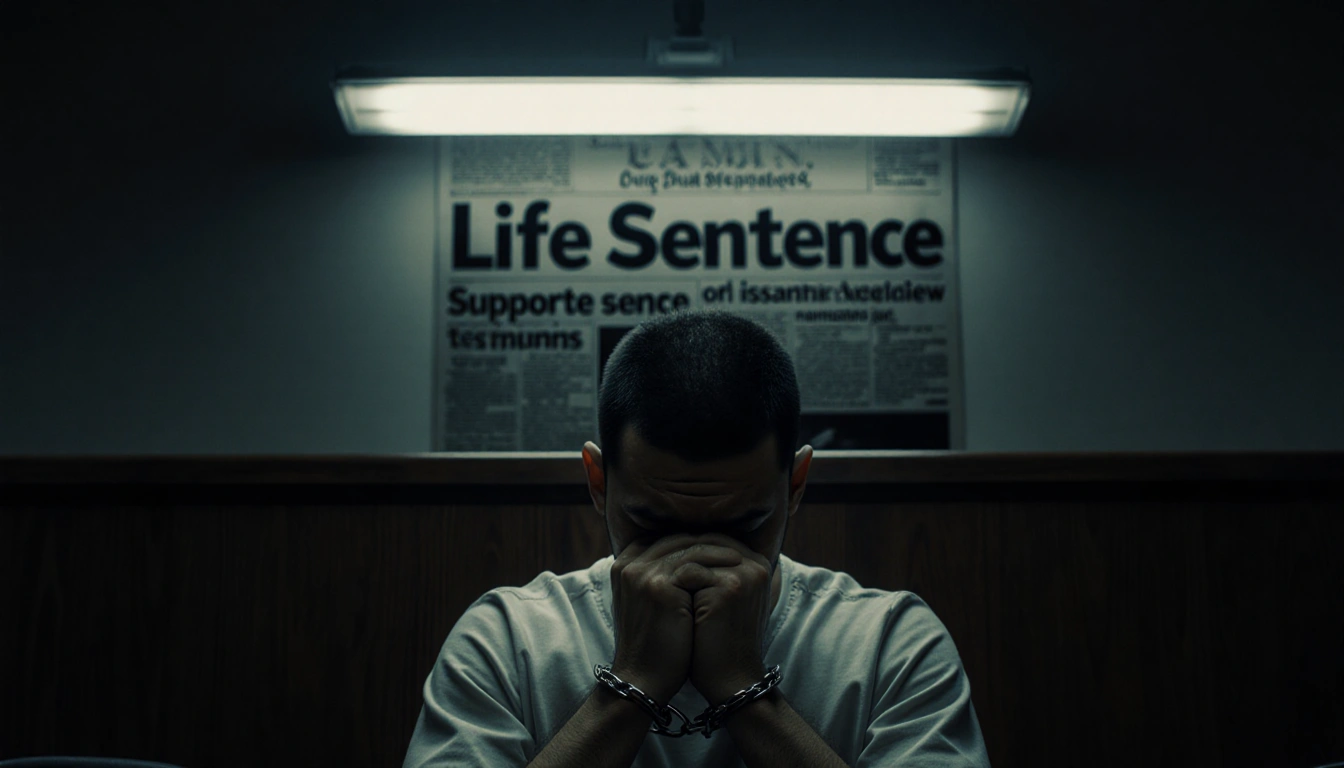
In a chilling verdict that left a family and a town in shock, Brian Walshe received a life sentence without parole for the first‑degree murder of his wife, Ana Walshe, whose body was never recovered.
Conviction and Plea
The judge sentenced Walshe on Thursday to life in a Massachusetts state prison. The conviction, announced Monday, was for first‑degree murder. In November, Walshe pleaded guilty to misleading police and to the illegal disposal of a body, admitting he had dismembered Ana’s body and discarded it in a dumpster after panicking when he discovered her had died in bed.
Digital Evidence and Physical Findings
Prosecutors presented a trove of digital evidence. Searches on devices connected to Walshe included queries such as ”dismemberment and best ways to dispose of a body”, ”how long before a body starts to smell”, and ”hacksaw best tool to dismember”. Laptop searches added ”how long for someone missing to inherit”, ”how long missing to be dead”, and ”can you throw away body parts.”
Surveillance footage captured a man resembling Walshe throwing heavy trash bags into a dumpster near the couple’s home. A search of a trash‑processing facility close to his mother’s house uncovered bags containing a hatchet, hammer, shears, hacksaw, towels, a protective Tyvek suit, cleaning agents, a Prada purse, boots like those Ana was last seen wearing, and a COVID‑19 vaccination card bearing her name.
The Massachusetts State Crime Laboratory examined the items and found Ana and Brian Walshe’s DNA on the Tyvek suit and Ana Walshe’s DNA on the hatchet, hacksaw, and other objects.
Motives and Family Dynamics
Prosecutors floated several possible motives. An insurance executive testified that Walshe was the sole beneficiary of Ana’s $1 million life‑insurance policy, suggesting a financial motive. The defense highlighted marital strain: Walshe had been confined at their Cohasset home awaiting sentencing on an art‑fraud case, while Ana commuted to Washington, D.C., for work.
The year before Ana’s disappearance, she began an affair. Her boyfriend, William Fastow, provided details in court. Walshe’s attorney, Larry Tipton, denied that his client knew of the affair.
Trial Proceedings and Defense
Tipton opened the case by arguing it was not murder but a ”sudden unexplained death”. He portrayed the couple as loving and future‑focused. The defense did not call any witnesses, and Walshe declined to testify.
When first questioned, Walshe claimed Ana had been called to Washington on New Year’s Day for a work emergency. Witnesses, however, found no evidence that she used a ride service to the airport or boarded a flight, and Walshe did not contact her employer until January 4.
Aftermath and Custody
The sentencing carries no possibility of parole. The couple’s three young children are now in state custody.
Key Takeaways
- Life sentence without parole for Brian Walshe, convicted of first‑degree murder.
- Digital searches and physical evidence tied Walshe to the dismemberment and disposal of Ana’s body.
- Motive arguments include financial gain and marital discord, with an affair disclosed by Ana’s boyfriend.
The case underscores how forensic science, digital footprints, and family dynamics intersected to bring justice in a tragedy that left a body unrecovered and a family shattered.