On Thursday, President Donald Trump announced the suspension of the diversity visa lottery, a decision that reverberated across the United States and directly affected the suspect in the recent Brown University and MIT shootings.
President Trump Suspends Diversity Visa Lottery
The move came after a post by Homeland Security Secretary Kristi Noem on the social platform X, where she stated that at Trump’s direction she is ordering the United States Citizenship and Immigration Services to pause the program. In her tweet, Noem wrote, “This heinous individual should never have been allowed in our country,” referring to Portuguese national Claudio Neves Valente, the suspect behind the attacks. Noem’s statement was posted on December 19, 2025, and it made clear that the administration would halt the lottery’s operations until further notice.
Impact on Brown and MIT Shooting Suspect
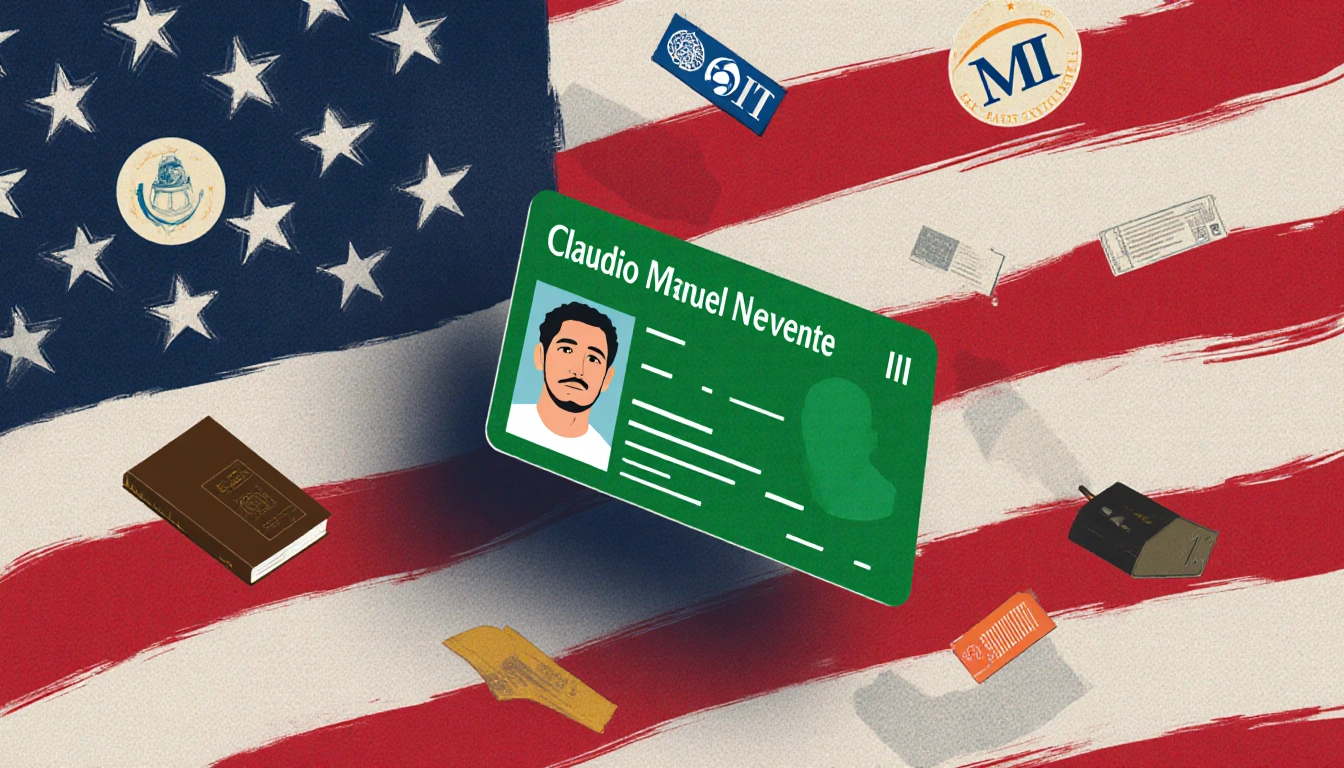
Claudio Manuel Neves Valente, 48, was the suspect in the shootings at Brown University that killed two students and wounded nine others, and the killing of an MIT professor. He entered the United States through the diversity lottery immigrant visa program (DV1) in 2017 and was granted a green card that same year. U.S. attorney for Massachusetts Leah B. Foley confirmed that Neves Valente obtained legal permanent residence status in 2017. Officials reported that Neves Valente was found dead Thursday evening from a self‑inflicted gunshot wound. The timing of his death coincided with the administration’s decision to suspend the lottery, underscoring the direct link between the program and the suspect’s entry into the country.
Details of the Diversity Visa Program
The diversity visa program, created by Congress, offers up to 50,000 green cards each year by lottery to people from countries that are underrepresented in the United States, many of them in Africa. In 2025, nearly 20 million people applied for the visa lottery, and more than 131,000 were selected when spouses of the winners were included. Portuguese citizens won only 38 slots that year. Winners are invited to apply for a green card, are interviewed at consulates, and must undergo the same vetting as other green‑card applicants. The program’s structure and the fact that it is embedded in federal law make any abrupt suspension likely to trigger legal challenges.
Legal and Political Context
Trump has long opposed the diversity visa lottery. Noem’s announcement is the latest example of the administration using a tragedy to advance immigration policy goals. After an Afghan man was identified as the gunman in a fatal attack on National Guard members in November, Trump’s administration imposed sweeping rules against immigration from Afghanistan and other counties. While pursuing mass deportation, Trump has sought to limit or eliminate avenues to legal immigration, even when those avenues are enshrined in law, such as the diversity visa lottery, or in the Constitution, such as birthright citizenship. The Supreme Court recently agreed to hear his challenge to birthright citizenship, highlighting the broader legal battles surrounding immigration policy.
Key Takeaways
- President Trump suspended the diversity visa lottery after the Brown and MIT shootings, citing the suspect’s green‑card status.
- The program, which awards up to 50,000 green cards annually, had 20 million applicants in 2025, with only 38 slots won by Portuguese citizens.
- The suspension is expected to face legal challenges, and it reflects Trump’s broader strategy of using violent incidents to justify restrictive immigration measures.
The decision marks a significant shift in U.S. immigration policy, linking a federal program to a national tragedy and setting the stage for potential court battles over the legality of suspending a lottery that has been part of the U.S. immigration system for decades.