
At a Glance
- Andrea Yates confessed to drowning her five children in their Texas home on June 20, 2001
- Found not guilty by reason of insanity in 2006 after initial murder conviction was overturned
- Ex-husband Rusty visits annually and maintains friendship despite divorcing in 2005
- Why it matters: Shows complex aftermath of mental health tragedy and enduring human connection
On June 20, 2001, a 911 call from a Houston suburb shocked the nation. Andrea Yates, then 37, confessed to drowning her five children in the family bathtub, forever changing how America views postpartum mental health.
The tragedy unfolded in Clear Lake, Texas, where the stay-at-home mother called authorities to report what she had done. The victims were Noah, 7, John, 5, Paul, 3, Luke, 2, and 6-month-old Mary.
From Death Penalty to Insanity Defense
Andrea’s legal journey spanned five years and two trials. In March 2002, she faced a Harris County jury that convicted her of capital murder and sentenced her to life imprisonment. That verdict didn’t stand.
The conviction was reversed on appeal. In July 2006, a different jury reached a different conclusion: not guilty by reason of insanity.
Her defense team presented evidence of severe mental illness:
- Postpartum depression and postpartum psychosis
- Haldol withdrawal weeks before the murders
- Documented psychiatric history
Since 2007, Andrea has remained at a Kerrville, Texas mental health facility. Each year, she can request a competency review but has consistently waived this right, choosing to stay institutionalized.
The Man Who Still Calls Her Friend
Rusty Yates, 61, carries memories of both the life they built and the life they lost. The NASA computer engineer divorced Andrea in 2005 but never divorced himself from their shared past.
“I try once a year to visit in person and we text back and forth some and talk on the phone some,” Rusty tells News Of Losangeles.
Their relationship defies easy categorization. They reminisce about birthday parties, first words, and family vacations. These conversations serve as both comfort and torment.
“Andrea and I always got along. That’s a time of our life that we both cherish and she’s the only person I can talk to about it,” Rusty explains. “She and I are the only two who can get together and reminisce about what it was like to enjoy those years together.”
Love Story Turned Nightmare
The couple’s origin story reads like a romantic comedy. They met in the late 1980s at a Houston apartment complex.
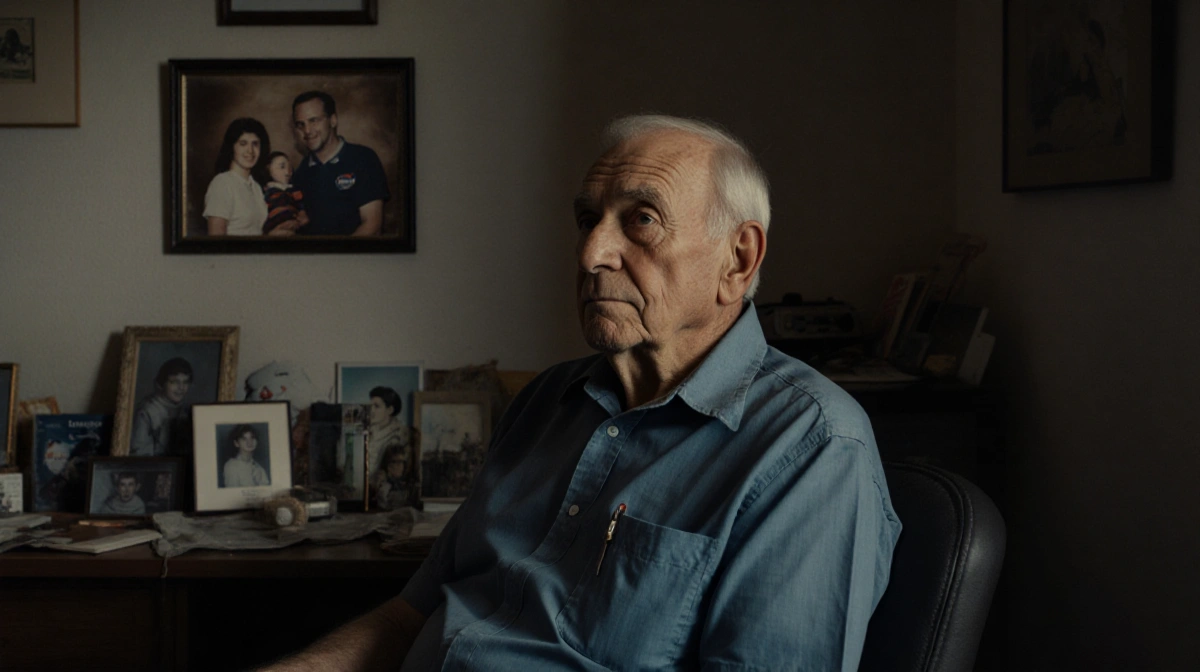
“One night someone had bumped her car in the parking lot, and I was sitting in my apartment,” Rusty recalls. “I heard a knock at the door and opened the door, and it was Andrea. And I literally dropped the phone.”
Andrea admitted the fender-bender inquiry was merely an excuse to meet him. For the shy nurse, this forwardness marked a significant departure from her reserved nature.
They married in 1993 and quickly started the family Andrea desperately wanted. She embraced motherhood with singular devotion.
“I was almost jealous of the fact that she got to spend so much time with the kids while I had to work all the time,” Rusty remembers. “I offered; I said, ‘Hey, we could probably make it if I work halftime and you work halftime.’ And she said, ‘I’m a mother now.'”
Living With the Unimaginable
Rusty struggles with forgiveness, though not toward Andrea. His challenge lies in forgiving fate for transforming his devoted wife into someone capable of unthinkable violence.
“I don’t hold it against her, but even just communicating with her is a reminder of that,” he says. “We try to focus on the better times, but it’s a little hard to, even in our conversations, avoid that most significant tragedy.”
The weight of guilt crushes Andrea differently. Raised in strict Catholic tradition emphasizing works over intention, she cannot absolve herself.
“It’s easier for me to forgive Andrea than it is for her to forgive herself,” Rusty observes. “She has this extremely hard time forgiving herself. It’s like, how do you take something that significant and get past it in life? Or do you get stuck there?”
Mental Health Legacy
Andrea’s case revolutionized understanding of postpartum psychiatric disorders. Her attorneys argued that removing Haldol, a powerful antipsychotic medication, contributed to her psychotic break.
Today, Andrea occupies her time reviewing family videos and photo albums. Her mind remains anchored to the brief period when she fulfilled what she considered her life’s purpose.
“She spends a lot more time going over old videos of our family, looking through old pictures – that sort of thing – because her mind is still sort of stuck there,” Rusty notes.
Rusty, now father to a 17-year-old son from a second marriage, continues grappling with fatherhood’s joys and sorrows. His second marriage ended in divorce.
“It’s my favorite role in life – being a father,” he says. “And I honestly think being a mother was [Andrea’s] favorite role.”
Key Takeaways
- The Yates case exposed gaps in maternal mental health care and legal system’s handling of postpartum psychosis
- Annual visits between ex-spouses demonstrate enduring human connection despite tragedy
- Andrea’s choice to remain institutionalized reflects both her ongoing mental health needs and Catholic guilt
- Rusty’s forgiveness highlights complexity of loving someone through mental illness and its devastating consequences