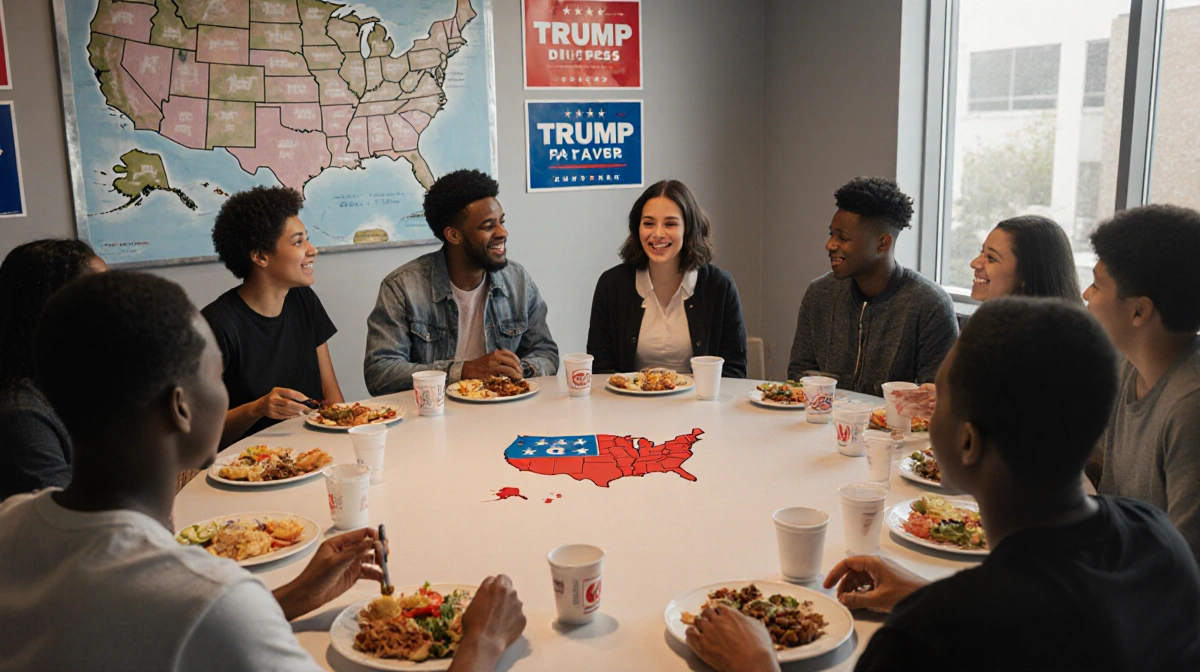
A record 45% of U.S. adults now call themselves political independents, reshaping the electorate and scrambling the 2026 midterm calculus.
At a Glance
- 45% of Americans identify as independents, up from about 33% two decades ago
- Over half of Gen Z and Millennials reject both major parties
- Democrats regain edge with independents: 47% now lean left vs. 42% right
Why it matters: The surge in swing voters could decide tight races, yet their loyalty hinges more on opposing the party in power than embracing the other side.
Democrats regain the edge with political independents
Independents have long outnumbered both Democrats and Republicans, but their recent tilt toward Democrats marks a reversal of the GOP’s three-year advantage during President Joe Biden’s term. Gallup’s 2025 polling shows 47% of adults either identify as Democrats or lean that way, while 42% lean Republican.
The shift mirrors the pattern under Donald Trump’s first term, suggesting independents’ movement is less about Democratic popularity and more about dissatisfaction with Trump. His approval among independents has slid steadily over the past year, while Democrats’ favorability remains historically low.
Party registration may not reflect these leanings; the figures capture how Americans feel, not necessarily how they sign up to vote.
Young people drive independents’ strength
Younger generations are fueling the independence wave. Over half of Gen Z and Millennials-born between 1981 and 2007-now identify as independents, compared with about 40% of Gen X and roughly 30% of older adults.
The gap widens when stacked against past generations. In 2012, 47% of Millennials called themselves independents; in 1992, 40% of Gen X did. Today, 56% of Gen Z adults reject both parties, indicating the trend is hardening, not fading.
Unless parties alter how younger voters view them, the pattern is poised to continue.
Independent Americans are increasingly the moderates
Moderates are migrating to the independent column. 47% of independents now describe their views as moderate, up over the last decade, while Democrats and Republicans have become less likely to self-identify as moderate.
- About 60% of Democrats call themselves liberal
- 77% of Republicans identify as conservative
- Moderate identity within both parties sits near historic lows
This polarization presents a strategic quandary: appeals to the center could attract independents but risk alienating each party’s ideological base.
What the numbers say
| Group | Share Identifying as Independent |
|---|---|
| Gen Z | 56% |
| Millennials | Over half |
| Gen X | ~40% |
| Older adults | ~30% |
| Ideological Self-ID | Democrats | Republicans | Independents |
|---|---|---|---|
| Liberal | ~60% | – | – |
| Conservative | – | 77% | – |
| Moderate | ~30% | ~20% | 47% |
Key takeaways
- Independents are now the nation’s largest political bloc at 45%
- Their recent Democratic lean is fragile, driven more by Trump fatigue than party loyalty
- Younger voters’ rejection of both parties signals volatility ahead
- Centrist independents could decide 2026 races, forcing parties to balance base enthusiasm with swing-voter appeal