At a Glance
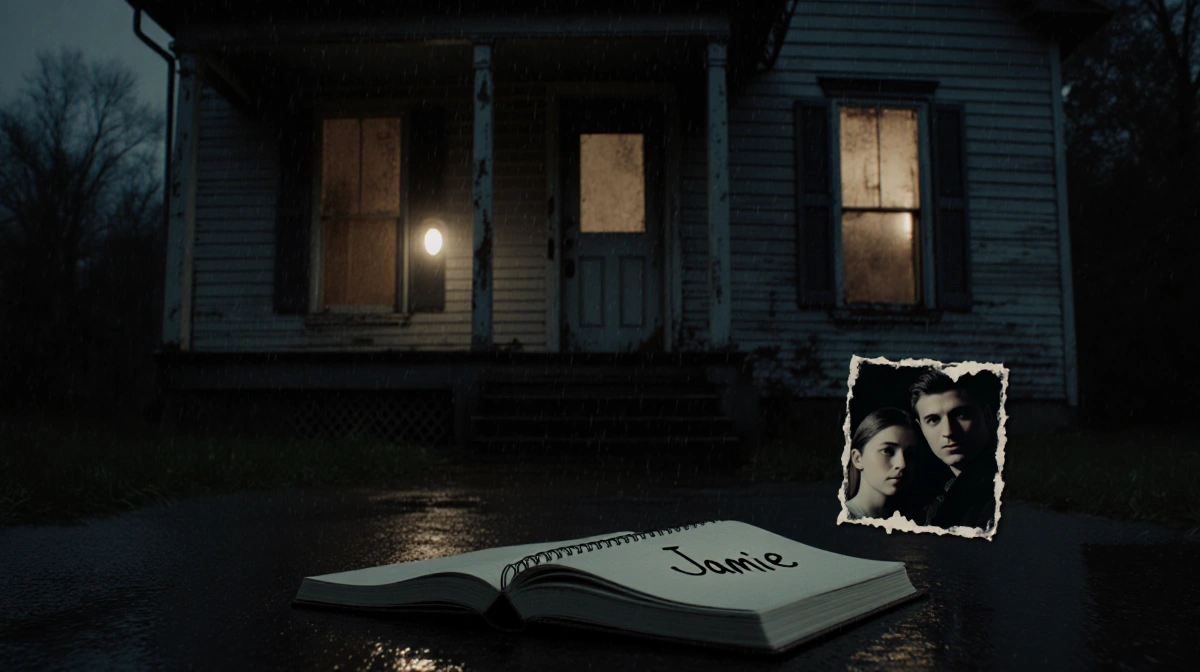
- Jamie Miller, 13, pleads guilty to stabbing classmate Katie Leonard
- Single-take filming puts viewers inside the investigation in real time
- Show earned five 2026 Golden Globe nominations and two Emmys
- Why it matters: The four-episode series unpacks how online misogyny can push a boy from a stable home to murder.
A Netflix limited series that unfolds in continuous, real-time shots ends with a quiet phone call: Jamie Miller tells his father he will abandon his not-guilty plea and admit to murdering 13-year-old Katie Leonard.
Adolescence tracks the aftermath of the stabbing through four episodes, each filmed in one take and set at a different point after the crime. The finale, set 13 months after the arrest, shows the boy’s choice rippling through his family.
How the Final Episode Plays Out
Eddie Miller spends his birthday scrubbing graffiti off his work van. When soap fails, he drives to a hardware store with wife Manda and daughter Lisa. Teenagers laugh and film him; Eddie chases one, slams the boy to the pavement, then hurls paint over the slur on his van.
Security confronts him. Paint drips across the asphalt as Eddie storms back to the car. On the ride home, Jamie calls from the detention center.
“Happy birthday, Dad,” the boy says. “I want to change my plea to guilty.”
The line goes dead. Eddie and Manda sit in silence, replaying warning signs: Jamie online at 1 a.m.; Eddie’s vow to be a better father than his own abusive parent. The camera lingers on Eddie in Jamie’s empty room, clutching a teddy bear.
“I’m sorry, son. I should have done better,” he whispers.
The Evidence That Broke the Case
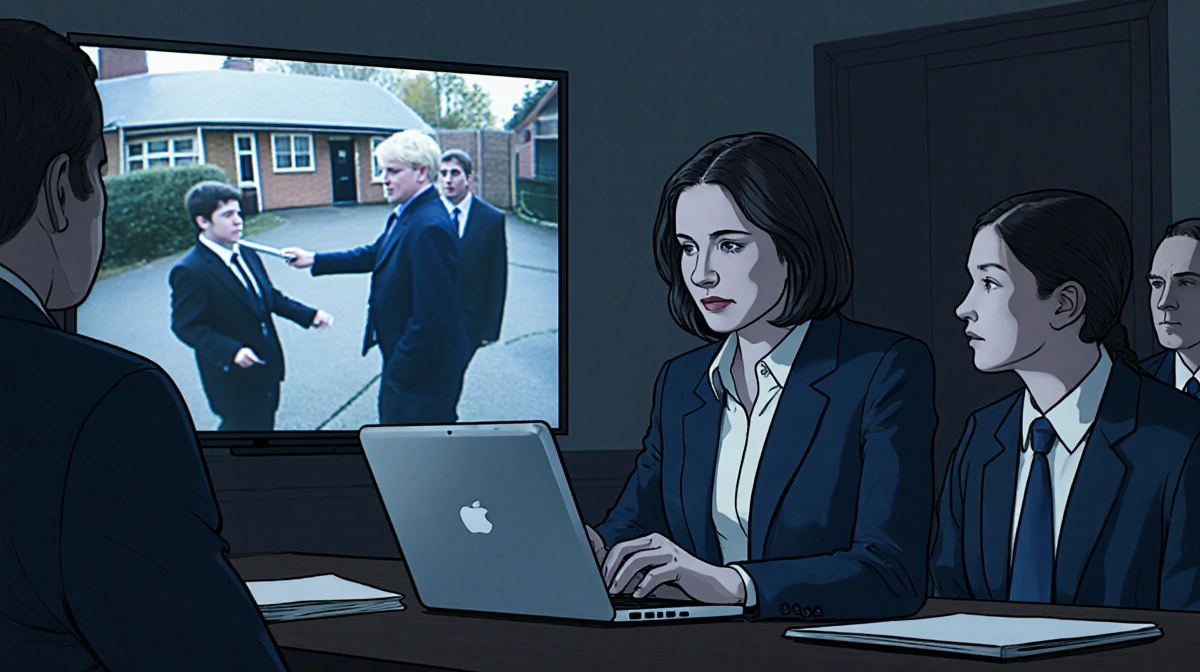
Police showed the family CCTV footage in episode 1: Jamie plunging a knife into Katie behind their school. For seven months he insists the video lies. The turning point arrives in episode 3 during a session with court-appointed psychologist Briony Ariston.
Jamie blurts out that he stabbed Katie, then tries to retract the words. The confession sticks.
Ryan, a friend who supplied the knife, is arrested in episode 2. “I thought he’d just scare them,” Ryan tells detectives. He is charged with conspiracy to commit murder.
Why a Boy From a Safe Home Turned Violent
Co-creator Stephen Graham, who plays Eddie, said he stripped away the usual excuses: “I didn’t want Dad to be a violent man. I didn’t want Mum to be a drinker.” The goal was to show that even stable families can lose a child to online radicalization.
Jamie’s computer history reveals a descent into incel forums and influencers such as Andrew Tate. Classmates mock him as “involuntarily celibate.” He fixates on Katie after a topless photo she sent to another boy circulates around school. Jamie asks her to a fair; she laughs and says, “No, I’m not that desperate.”
The night he kills her, Jamie admits he considered rape but “didn’t touch her… Most boys would’ve touched her. So that makes me better, don’t you think?”
Production Approach Meant No Safety Net
Each episode runs as one continuous shot, meaning no cuts, flashbacks or exposition. Viewers learn facts only as investigators and relatives do.
Graham consulted his police-officer cousin on how long a murder case takes to reach court, then built the timeline around those stages. The cast rehearsed for weeks; a single stumble forced a full restart.
The gamble paid off. The series landed five 2026 Golden Globe nominations, while Graham and lead actor Owen Cooper both won Emmys.
Where Jamie Ends Up
U.K. law keeps juvenile offenders in secure training centers, not adult prisons. A mandatory life sentence applies to murder, yet parole is possible. Offenders remain on lifetime probation once released.
The final scene leaves Jamie inside the center, his fate sealed by his own guilty plea.
Key Takeaways
- Jamie’s guilt is confirmed by both CCTV and his own words to a psychologist
- The show’s single-take style forces viewers to sit with uncomfortable truths in real time
- Co-creators aimed to highlight how online misogyny can poison teenage boys, even without a traumatic home life
- The finale underlines parental helplessness once a child is consumed by digital radicalization