At a Glance
- The U.S. will send roughly 235 Winter Olympians and 70 Paralympians to Milan, but most won’t win gold.
- Emily Clark, a clinical psychologist with the USOPC, works to shift athletes’ focus from medals to process and resilience.
- Sleep, stress management, and realigning success are central to her program.
- Why it matters: With only 9 U.S. golds in Beijing 2022, athletes need mental tools to handle elite sport’s harsh reality.
The Winter Games open in Italy on Feb. 6, and while 235 Team USA athletes chase Olympic glory, Emily Clark wants them chasing something else first: the process, not the podium.
Clark, a clinical psychologist on the 15-member USOPC mental-health staff, spends the Games helping athletes redefine success. Her message is blunt: “Most of the athletes who come through Team USA will not win a gold medal. That’s the reality of elite sport.”
Inside the Mind Gym
The USOPC unit covers mental health and mental performance, handling:
- Motivation
- Anxiety and anger
- Eating disorders
- Family issues, trauma, depression
- Sleep, travel, pressure
Clark’s specialty is stress management, sleep, and keeping high achievers locked on execution rather than results. “A lot of athletes these days are aware of the mental-health component of, not just sport, but of life,” she told Amanda S. Bennett.
She argues the payoff is career longevity and enjoyment. “This is an area where athletes can develop skills that can extend a career, or make it more enjoyable.”
By the Numbers
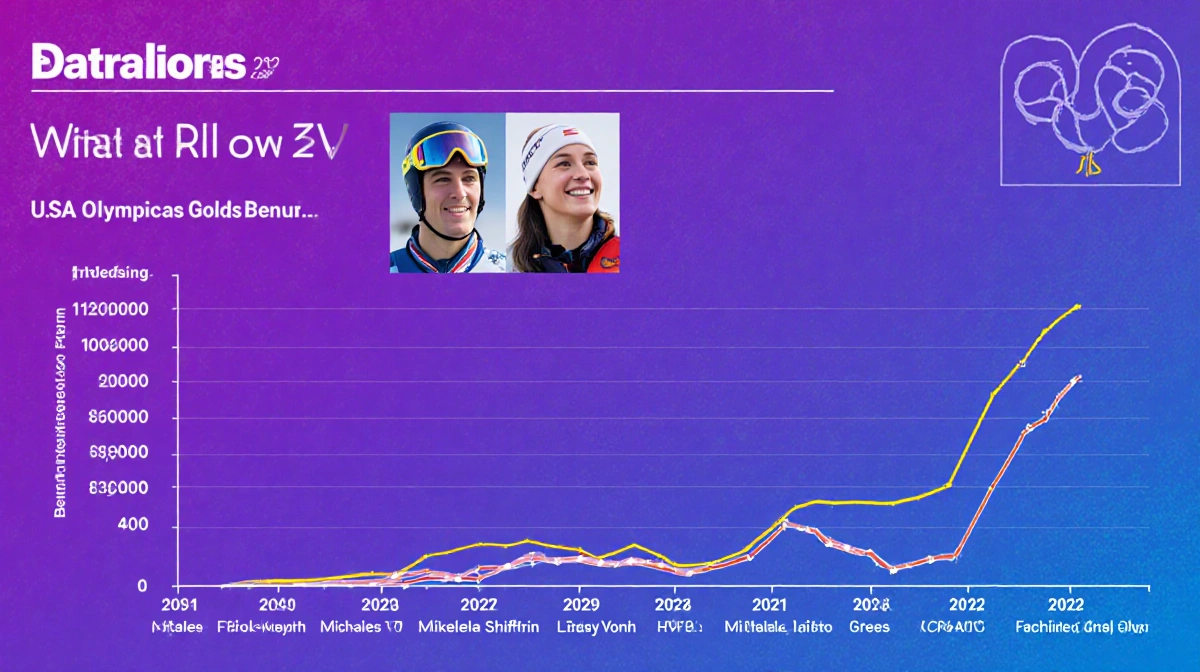
- U.S. gold medals, Beijing 2022: 9
- Athletes who compete in only one Olympics: 70.8% (per Olympic historian Dr. Bill Mallon)
- Household-name outliers: Michael Phelps, Mikaela Shiffrin, Lindsey Vonn
Clark’s counsel: “You’re job is not to win a gold medal, your job is to do the thing and the gold medal is what happens when you do your job.”
Voices from the Village
Kendall Gretsch, four-time Paralympic gold medalist, travels with a USOPC psychologist: “Just being able to touch base with them … and getting that reminder of why are you here.”
Alysa Liu, 2025 world figure-skating champion, calls her sport psych “the MVP – Most Valuable Psychologist.”
Lindsey Vonn, 41 and back for a sixth Olympics on a titanium knee, skipped formal therapy in her early years. “I just did it myself,” she said, relying on self-talk and tip-of-ski notes: “stay forward or hands up.”
The Sleep Edge
Clark flags sleep as the first performance metric athletes sacrifice. Culprits include:
- Late practices
- Travel
- Injuries
- Parenting duties (many athletes are moms and dads)
Her rules for Team USA and weekend warriors alike:
- No caffeine after 3 p.m.
- Same bedtime nightly
- Dark, cool room
- 7-9 hours nightly
Two-time Paralympian Dani Aravich tracks sleep religiously. “Sleep is going to be your No. 1 savior at all times,” she said, crediting Clark for the push.
Redefining the Podium
Clark’s core theme: success is controlling controllables.
- Focus on routine, not ranking
- Build resilience through setbacks
- Treat stress as training stimulus, not enemy
“We get stronger by pushing ourselves to a limit where we’re at our maximum capacity – and then recovering,” she explained. “Staying on task or staying in line with what’s important is what we try to train for.”
With nine gold medals spread across 235 hopefuls, Clark’s mantra may be the most realistic path to Olympic joy.
Key Takeaways
- Only one in three U.S. Olympians will ever medal; mental skills matter more than hardware.
- Sleep, stress control, and process goals are Clark’s high-impact levers.
- Stars from Gretsch to Liu credit sports psychology for their edge.
- Vonn’s self-coached comeback proves mental prep takes many forms.
- Clark’s mission: make “enjoy the journey” more than cliché.