At a Glance
- A rare parasite, acanthamoeba keratitis, began devouring Vivian Nosovitsky’s cornea after tap water met her contact lens.
- She now faces hourly medicated drops, total darkness, and weeks without proper sleep while her vision hangs in the balance.
- Why it matters: Her TikTok chronicle warns millions that routine hygiene slips can cost your sight.
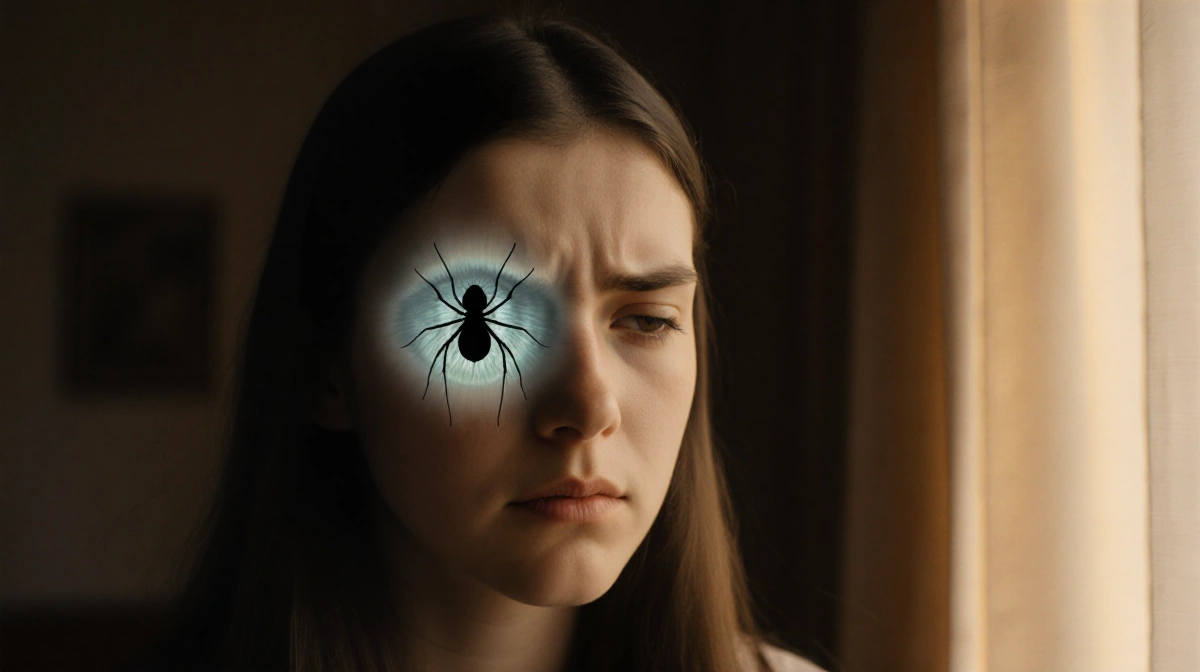
A 21-year-old wellness coach who finally felt rooted in a quiet Mexican beach town has been forced to abandon her sun-lit routine after doctors discovered a microscopic parasite consuming her right eye.
Vivian Nosovitsky had just returned from a year of hosting international retreats and was savoring slow mornings-yoga, motorcycle rides to the shore, sunset rituals she rarely missed. “It was perfect,” she told News Of Losangeles exclusively. “I was finally building a routine and a sense of stability that felt really good.”
The First Sting
Around 2 a.m. one night, she jolted awake with sharp pain. “It was watering, swollen and extremely uncomfortable,” she recalls. Light sensitivity escalated within hours; even sunglasses couldn’t blunt the ache. A small urgent-care clinic handed over drops that did nothing. After days of agony, she traveled 40 minutes to a larger hospital where clinicians diagnosed an eye ulcer and added more medication.
Her cornea turned gray. “I knew something was extremely off,” she says. Staff urged her to seek intensive care three hours away. Instead, she boarded a flight to Querétaro and moved in with a friend who became her round-the-clock caregiver.
The Diagnosis That Changed Everything
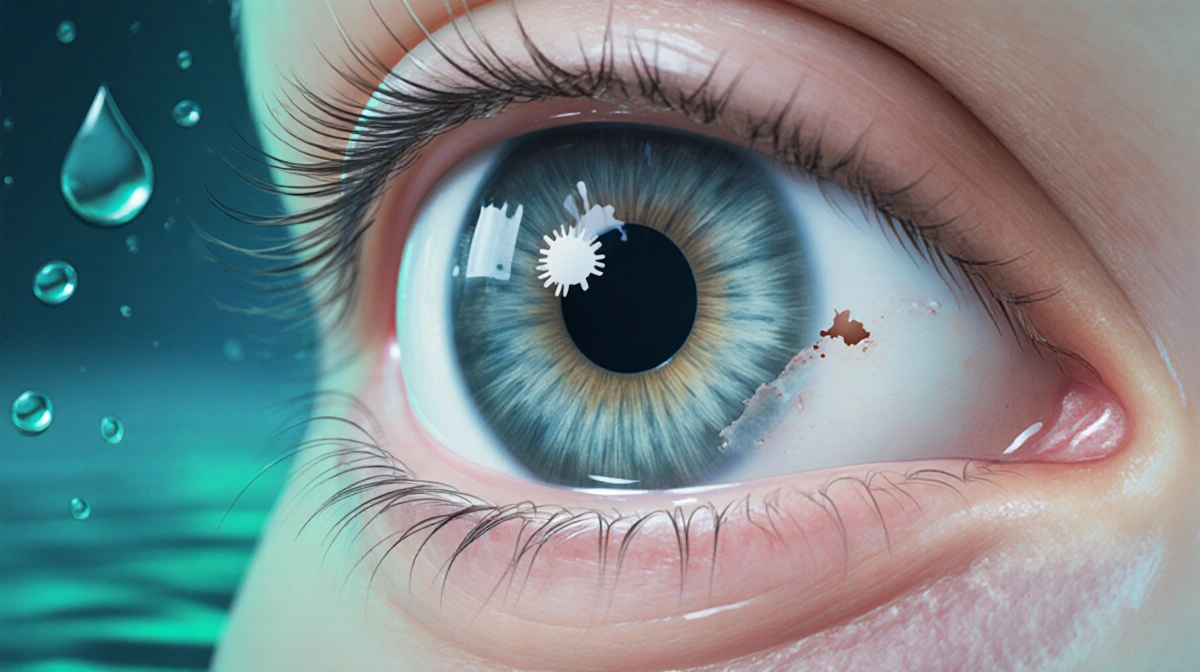
Specialists performed a corneal scraping; lab work confirmed acanthamoeba keratitis-a rare, aggressive infection caused by an amoeba that can survive in tap water. Doctors explained the parasite likely slipped through a tiny abrasion created by contact-lens wear, then began digesting the outer layer of her eye.
“I honestly didn’t even know what that meant at first,” Nosovitsky admits. She learned the pathogen can persist in chlorinated water and thrives in warm climates-conditions she encountered daily.
Life in the Dark
Treatment demands prescription drops every hour, including overnight. “I haven’t slept properly in weeks,” she says. Even brief exposure to light triggers excruciating pain, so she seals herself in blackout curtains, relying on friends to cook, guide her to the bathroom, and read labels on medication.
The infection has stolen every pillar of her livelihood: movement, the beach, editing videos for clients, and leading coaching sessions. “Physically, mentally, it’s affected every part of me,” she says. “There were days I didn’t want to do anything but lie there and wish it would be over.”
Viral Honesty
Determined to trade filters for reality, she began posting raw updates on TikTok. One clip showing her bloodshot eye and trembling hands amassed 3.7 million views in 48 hours. Followers donated more than $28,000 to a GoFundMe she hadn’t expected to create. Comments overflowed with prayers, contact-lens horror stories, and messages from strangers who swore off sleeping in lenses after watching her ordeal.
“Even though I can’t see, I’m being seen more than ever,” she reflects. The platform that once showcased sunrise yoga flows now chronicles a swollen eyelid and whispered pep talks recorded in the dark.
Uncertain Horizon
Doctors warn that healing could stretch months; if the cornea scars too deeply, a transplant may be required. She keeps a countdown to the next ophthalmology appointment taped above her bed, tallying good-vision days versus flare-ups.
Nosovitsky clings to two non-negotiables: strict hygiene-no tap water near lenses, nightly lens-case sterilization-and surrendering to rest. “Mindset and surrender will carry me through whatever comes next,” she says.
Key Takeaways
- Acanthamoeba keratitis strikes when contaminated water meets compromised corneal tissue; contact-lens users face highest risk.
- Early symptoms-redness, light sensitivity, feeling of grit-mimic routine irritation, delaying diagnosis.
- Hourly medicated drops and total darkness are standard during acute treatment; recovery can take six months to a year.
- Community support, online and offline, fuels adherence to brutal treatment regimens.