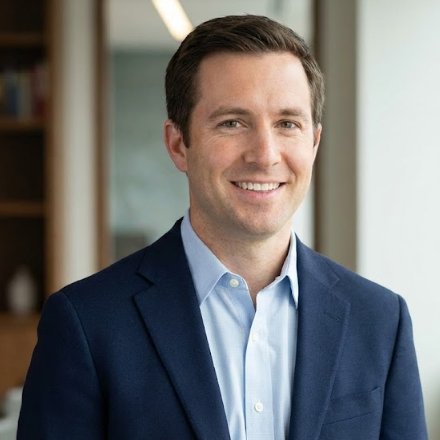
Instagram chief Adam Mosseri says authenticity is becoming “infinitely reproducible” as AI-generated images flood the platform, forcing a fundamental shift in how users determine what to trust online.
At a Glance
- Mosseri declared authenticity is now “infinitely reproducible” due to AI advances
- Camera makers will add cryptographic signatures to prove images are real
- Instagram will label real media and boost original content in rankings
- Why it matters: Users will need to evaluate who posts content, not just what they see
The head of Instagram delivered a stark warning about photography’s future in a 20-slide text post: AI has made distinguishing real photos from fake ones nearly impossible, and the platform must overhaul how it handles credibility.
The Death of Visual Trust
“The key risk Instagram faces is that, as the world changes more quickly, the platform fails to keep up,” Mosseri wrote in his year-end post. “Looking forward to 2026, one major shift: authenticity is becoming infinitely reproducible.”
This shift represents more than technical trickery. Mosseri explained that savvy creators now deliberately post “unproduced, unflattering images” to signal authenticity. But AI systems are already learning to mimic this raw aesthetic, making the old visual cues meaningless.
“At that point, we’ll need to shift our focus to who says something instead of what is being said,” Mosseri said. “This will be uncomfortable — we’re genetically predisposed to believing our eyes.”
Technical Solutions on the Horizon
Camera manufacturers are preparing cryptographic tools to verify images haven’t been AI-generated. These systems would create a chain of ownership proving authenticity from the moment of capture.
However, Mosseri criticized manufacturers for pursuing the wrong goals. “They’re competing to make everyone look like a pro photographer from 2015,” he said. “Flattering imagery is cheap to produce and boring to consume. People want content that feels real.”
The contradiction is striking: while camera makers add beauty filters and polish features, users increasingly crave unfiltered authenticity that AI now threatens to replicate perfectly.
Instagram’s Four-Part Response Plan
Mosseri outlined specific steps Instagram must take to address the authenticity crisis:
- Build traditional and AI-powered tools helping creators compete against fully AI-generated content
- Label AI-generated content with clear markers
- Partner with manufacturers to “verify authenticity at capture — fingerprinting real media, not just chasing fake”
- Improve ranking systems to reward originality over polished perfection
“Instagram is going to have to evolve in a number of ways,” he concluded, “and fast.”
The Platform’s AI Problem
Instagram’s parent company Meta added AI features across its platforms in 2025. Users reported seeing AI-generated versions of themselves appearing in advertisements without their knowledge.
The platform has struggled managing AI-generated content, including low-quality “slop” that crowds out human creators. Advanced AI tools like Google’s Nano Bananas and OpenAI’s Sora have made creating convincing fake imagery accessible to everyone.
Mosseri’s solution focuses on labeling real media rather than just flagging fakes. He hopes Instagram can reward originality in content ranking, making authentic creation more visible than AI copies.
Timeline of Instagram’s AI Authenticity Crisis
| Date | Event |
|---|---|
| 2025 | Meta adds AI features across Instagram, Facebook, WhatsApp |
| 2025 | Users discover AI-generated versions of themselves in ads |
| Late 2025 | Mosseri publishes 20-slide post warning about authenticity crisis |
| 2026 | Camera manufacturers plan cryptographic verification systems |
The timeline shows how quickly the problem escalated from experimental features to a fundamental threat requiring platform-wide changes.
Key Takeaways
Instagram faces an existential challenge as AI technology makes visual authenticity meaningless. The platform must shift from judging content by appearance to evaluating creator credibility.
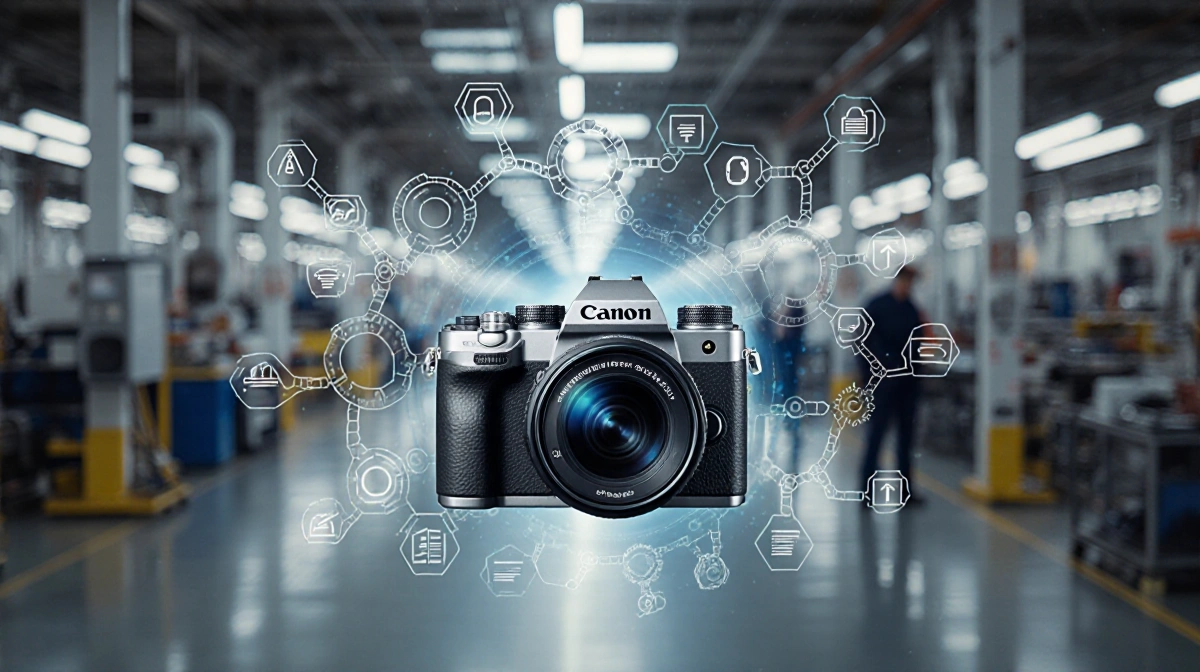
This transformation will take years, according to Mosseri, because humans are biologically wired to trust what they see. Camera manufacturers will play a crucial role by embedding cryptographic signatures in photos.
The success of these changes will determine whether social media can maintain user trust in an era when seeing is no longer believing.