At a Glance
- More than 2,000 grey-headed flying foxes died across three states during Australia’s weekend heat wave
- Illawarra region recorded its largest mass casualty event for the species, with 500 bats found dead at Brooks Creek alone
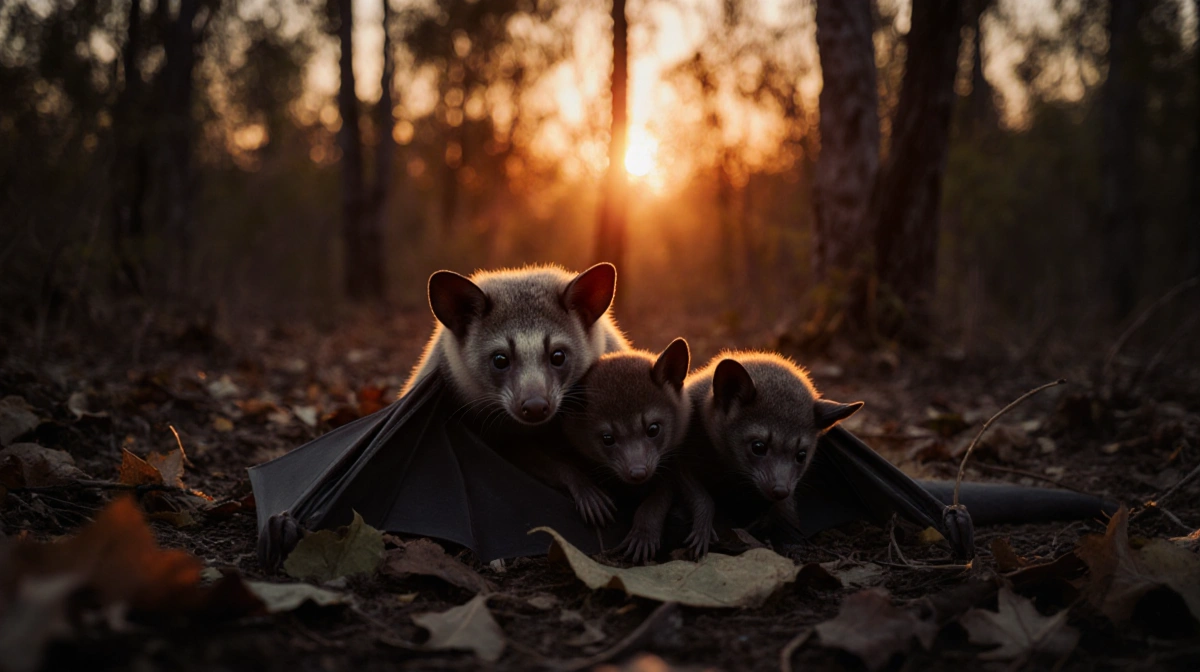
- Wildlife volunteers are rescuing orphaned pups clinging to their dead mothers
- Why it matters: The deaths strike a vulnerable species already declining from habitat loss, threatening long-term population recovery
A weekend heat wave that pushed temperatures above 100°F has killed thousands of flying foxes across eastern Australia, wildlife rescuers confirmed. The mass die-off, concentrated in New South Wales, South Australia and Victoria, has left entire colonies decimated and orphaned pups fighting for survival.
Record Death Toll in Illawarra
Storm Stanford of the Wildlife Information, Rescue and Education Service (WIRES) told the Australian Broadcasting Corporation that the event is Illawarra’s largest recorded mass casualty for flying foxes. Rescuers counted 500 dead bats at Brooks Creek on Jan. 10 and 170 in Figtree, both in the Illawarra region of New South Wales.
Brooks Creek resident Marcus Burgess said the colony had previously numbered about 1,500 animals. “With this event … [it’s] potentially a third of the population that has been killed this time, unfortunately,” he said.
Heat Exposure Proves Fatal
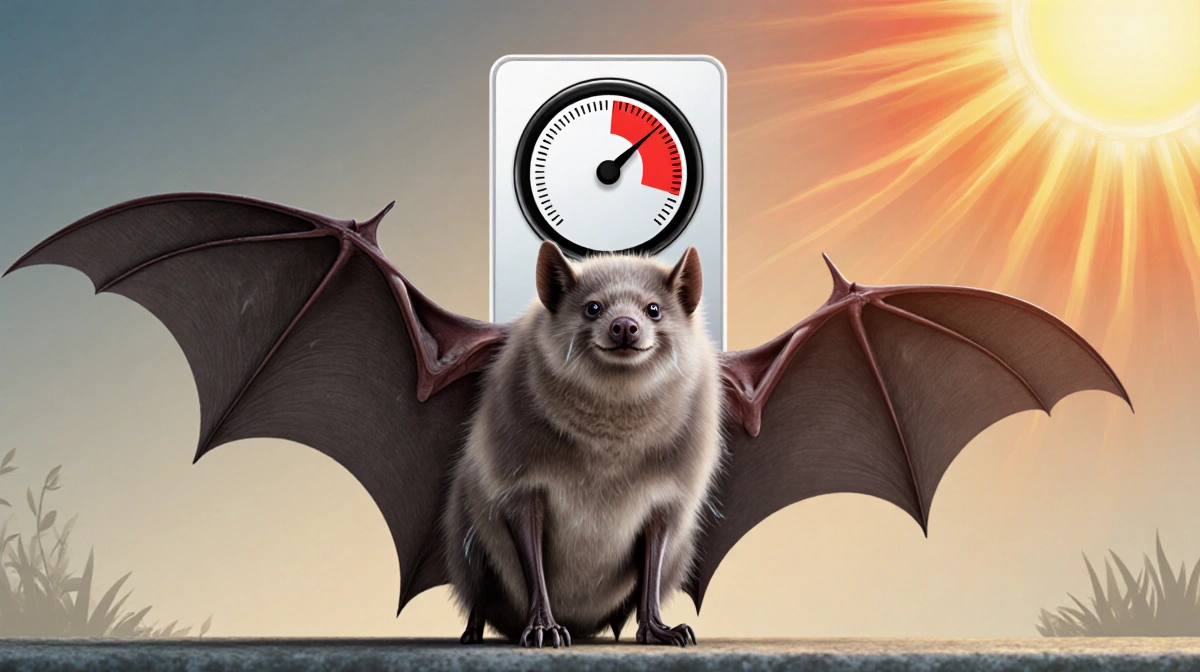
Grey-headed flying foxes, listed as vulnerable by the Australian government, cannot sweat. Stanford explained that the absence of sweat glands leaves the bats unable to regulate body temperature once ambient readings climb past their tolerance threshold.
Additional deaths have been reported at:
- Wolli Creek (at least 40 confirmed)
- Windsor
- Parramatta
- Campbelltown
Stanford warned the toll could rise because heat-stressed animals often succumb later to renal failure or starvation when blossoms and fruit also shrivel in the heat.
Orphaned Pups Need Rescue
Volunteers are searching camps for live infants. Rebecca Daly, a WIRES volunteer, said teams found 23 babies at the Dapto camp the first evening, “and a few more the next day.”
Tamsyn Hogarth, director of the Fly by Night bat clinic, said orphans are found “holding onto their dead mothers.” Without intervention, she added, the young “will slowly die of heat stress, starvation, or predation.”
Hogarth’s Jan. 12 GoFundMe update stated that “entire colonies were left without official on-site support,” forcing volunteers to monitor camps and handle carcass removal.
Population Impact
Because many casualties are females or dependent young, rescuers fear the die-off will slow breeding recovery. The grey-headed flying fox is already in decline from urban expansion and habitat clearing.
Proposed Solution
Stanford cited new research showing sprinkler systems can lower mortality by cooling roost sites. “They reduce deaths and are worthwhile,” she said, urging local governments to install irrigation near known camps.
Rescue Efforts Underway
WIRES crews continue to collect dead bats and triage survivors. Hogarth’s clinic and other volunteer groups are hand-raising orphans with the goal of future release.
The public has donated more than $30,000 through Hogarth’s online fundraiser to cover milk formula, veterinary care and transport.
Heat Wave Outlook
Australia’s Bureau of Meteorology has forecast prolonged hot conditions across the southeast, raising concern for additional wildlife losses before temperatures moderate.
Key Takeaways
- Over 2,000 flying foxes died in the Jan. 10-12 heat wave
- Illawarra lost roughly one-third of its local population
- Volunteers are raising orphaned pups by hand
- Sprinkler systems are being promoted as a life-saving heat-mitigation tool