
At a Glance
- A Chinese woman who bought a discounted “love insurance” policy in 2016 has collected about $1,400 after marrying her designated partner.
- The payout equals roughly 50 times the original premium of 199 yuan (about $28).
- The couple, who wed in October 2025, chose cash over 10,000 roses and are still deciding how to spend the money.
Why it matters: The story shows how a scrapped financial product can still deliver real money-and a romantic twist-years after regulators outlawed it.
A decade after purchasing what many dismissed as a marketing gimmick, a Chinese woman surnamed Wu has proven that “love insurance” can pay real dividends. She and her new husband, surnamed Wang, recently walked away with a $1,400 cash payout, validating a 2016 impulse buy that cost her only $28.
The 2016 Purchase
Wu bought the policy as a light-hearted gift for Wang while they were university students. China Life Property and Casualty Insurance Company Limited had discounted the plan from 299 yuan to 199 yuan, dangling either 10,000 roses, a ring, or cash if the couple married within the policy window. Wu paid the reduced premium and designated Wang as her partner, locking in the terms for what both assumed was a novelty product.
Wang’s first reaction was suspicion. “She said she bought love insurance; my first reaction was that she had been scammed,” he told the South China Morning Post. The couple filed the paperwork away and continued dating, giving little thought to the policy’s long-term value.
A Decade-Long Romance
Wu and Wang met in secondary school and began dating in university. Ten years after buying the policy, they married in October 2025, making them eligible to claim the benefit. They submitted their marriage certificate to the insurer and chose the cash option over the mountain of roses.
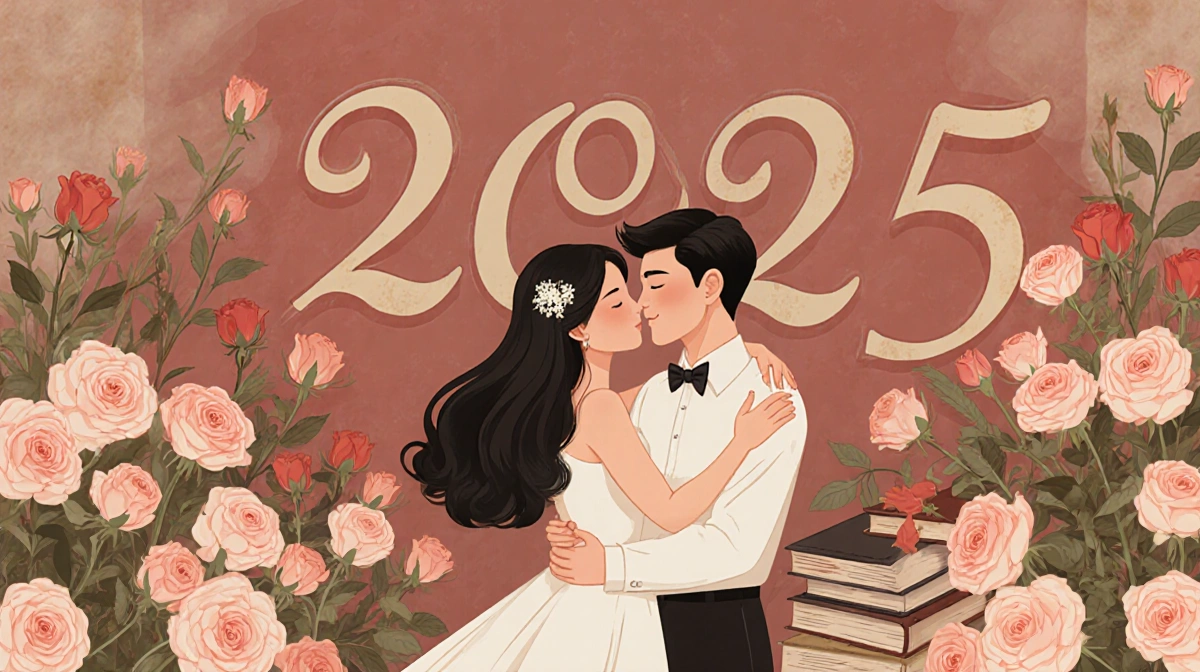
“The wedding is already over. I would not know how to preserve 10,000 roses,” Wu explained. Wang added that they will “decide what to do when the money arrives,” leaving the door open for anything from a honeymoon upgrade to a joint investment.
Regulatory Backdrop
While the payout feels like a win for romantics, the product no longer exists. Chinese regulators phased out “love insurance” plans after ruling that romance does not constitute a legitimate, legally insurable interest. Standard insurance must protect against measurable risks tied to health, property, or liability-not emotional outcomes. Because Wu’s policy was issued before the 2017 ban, the company honored the contract, making the couple’s claim one of the last successful redemptions of its kind.
Key Numbers
| Metric | Value |
|---|---|
| Original premium | 199 yuan (about $28) |
| Face-value options | 10,000 roses or 10,000 yuan cash |
| Cash payout | About $1,400 |
| Return multiple | Roughly 50× the premium |
The couple’s windfall underscores how an obsolete financial instrument can still deliver tangible rewards if the timing-and the relationship-lasts long enough.
Key Takeaways
- A defunct “love insurance” policy bought for $28 matured into a $1,400 payday after the couple wed within the required timeframe.
- Regulators outlawed such products in 2017, but existing policies remain valid, giving early buyers a rare shot at a romantic return on investment.
- Choosing cash over 10,000 roses simplified logistics and left the newlyweds free to allocate the money however they wish.