At a Glance
- Teflon pans can shed 2 million+ microplastic particles per crack
- One plastic tea bag releases billions of micro- and nanoplastics per milliliter
- Plastic take-out containers and utensils leach particles when heated
- Why it matters: Microplastics have been linked to heart attack, stroke, and cell death in human studies
Tiny plastic fragments are hiding in everyday cooking tools, and swapping a few items can cut your exposure dramatically. Sophia A. Reynolds reported for News Of Losangeles that common kitchen gear-from non-stick pans to tea bags-releases micro- and nanoplastics into food at levels high enough to raise health concerns.
The Health Toll of Invisible Plastics
Microplastics are plastic pieces smaller than 5 mm; nanoplastics are 1-1,000 nanometers-fractions of a human hair width. Humans inhale an estimated 22 million micro- and nanoplastics yearly through air, food, and contact.
Studies cited by News Of Losangeles show these particles in blood vessels are linked to:
- Higher risk of heart attack, stroke, and death
- Tissue inflammation and cell death
- Lung and liver damage
- In animals: DNA damage, cancer, reduced sperm count, ovarian scarring, and hereditary metabolic disorders
Where Microplastics Hide in Your Kitchen
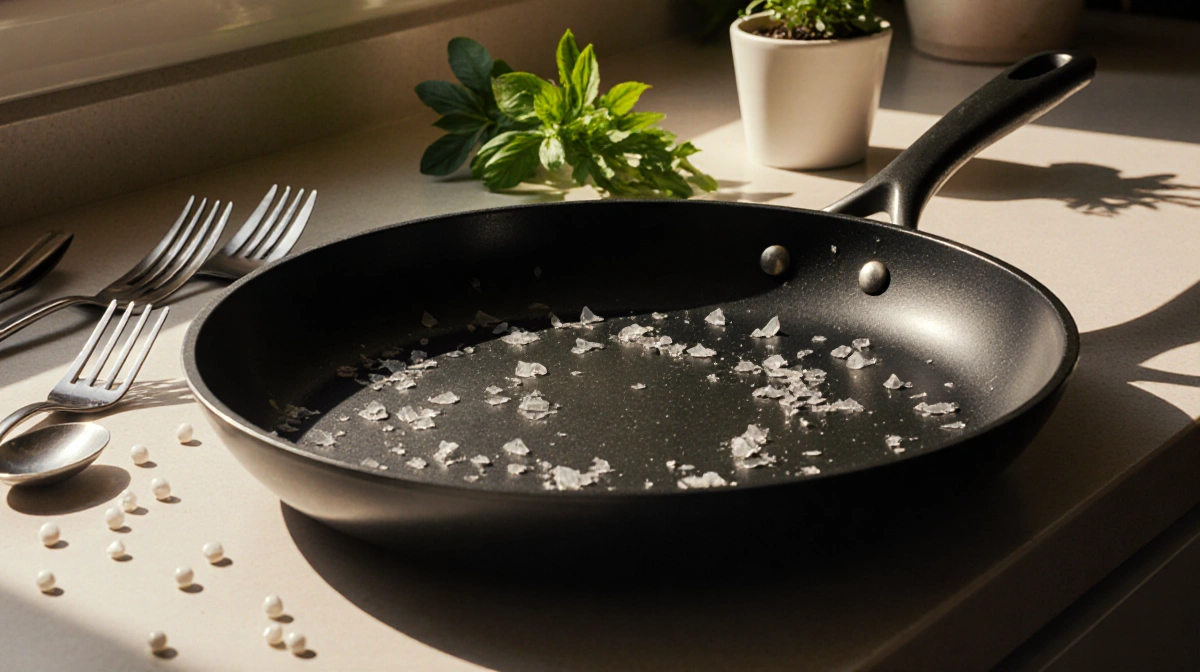
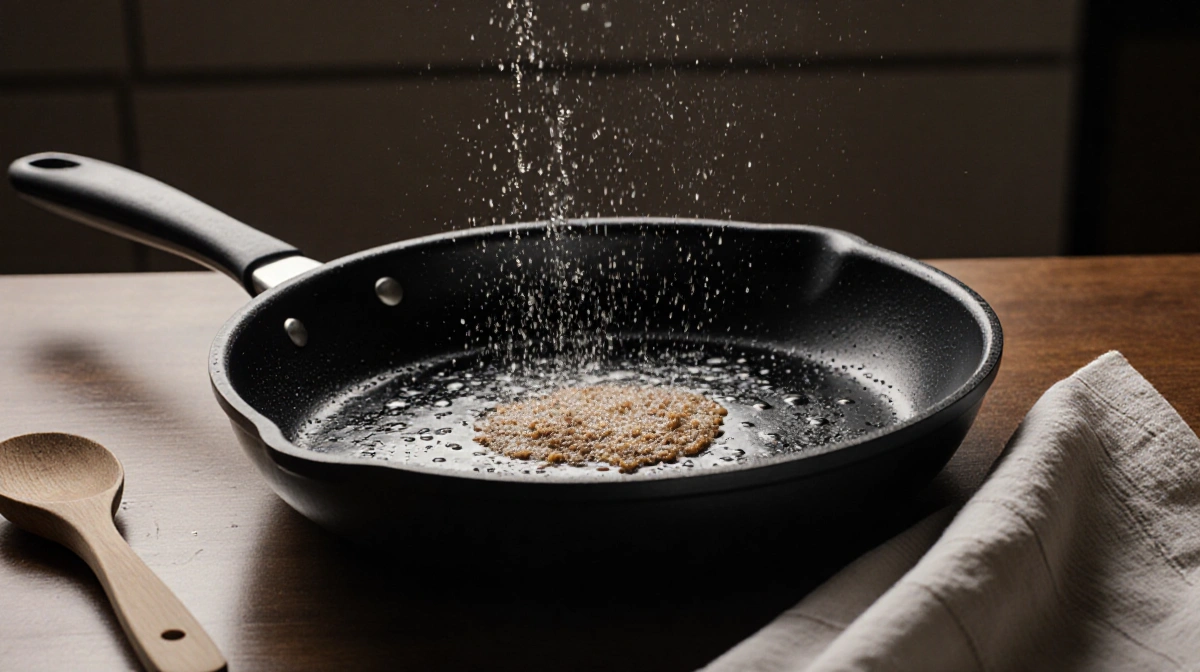
1. Non-stick cookware
Australian researchers estimate Teflon-coated pans contain thousands-possibly millions-of microplastic particles. A single crack can release >2 million particles into food during cooking.
2. Plastic food containers
Reusable plastic take-out containers shed microplastics when heated or washed. One study found all tested restaurant containers contained microplastics.
3. Plastic utensils
Heat causes plastic spoons, spatulas, and forks to leach microplastics directly into hot meals.
4. Tea bags
Polypropylene tea bags release billions of micro- and nanoplastic particles per milliliter of hot water, according to Spain’s Autonomous University of Barcelona.
5. Spice packaging
Plastic jars and shakers can contaminate paprika, pepper, and other spices; recent tests found microplastics in every plastic container examined.
6. Plastic straws
Straws release micro- and nanoplastics that can be inhaled. About 8 million metric tons of plastic enter waterways yearly, affecting water, soil, and wildlife.
7. Canned food linings
Modern acrylic or polyester epoxy linings still contain microplastics, replacing the phased-out BPA versions.
Safer Swaps You Can Make Today
Replace plastic-heavy items with these alternatives:
- Cookware: Cast-iron, carbon steel, or stainless steel pans
- Utensils: Wooden, bamboo, or stainless steel spatulas, spoons, and tongs
- Food storage: Glass, ceramic, or stainless steel containers
- Tea: Loose-leaf tea with stainless steel infusers or strainers
- Spices: Buy in bulk using glass or ceramic jars
- Straws: Reusable metal, bamboo, or paper straws
- Produce: Choose fresh or frozen over canned; pick glass-jarred sauces when possible
The Bottom Line
Microplastics are already in air, water, and food, but kitchen gear under your control can add millions more particles per meal. Switching to glass, metal, wood, or bamboo versions of the same tools cuts that added exposure to near zero.