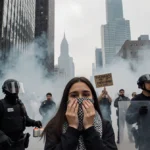
Federal agents swept through multiple Southern California neighborhoods this week, arresting residents in public spaces and sparking panic among families just as children returned to school for the new semester.
At a Glance
- ICE agents arrested a tamale vendor in Cypress Park and a father in Highland Park on Tuesday
- Lincoln Heights store owner describes screaming, crying, and people fleeing into her shop
- Neighbors verbally intervened during Saturday enforcement action in Downey
- Councilmember Ysabel Jurado links timing to first day of school, calls it “tragic”
- Why it matters: Immigration crackdowns have moved from workplaces to neighborhood streets, directly impacting families during daily routines
The arrests mark a shift from the workplace enforcement operations that began more than six months ago in downtown Los Angeles. Now, federal agents are targeting people in their own communities, with several incidents reported this week alone.
In Cypress Park, Immigration and Customs Enforcement agents arrested a tamale vendor on Tuesday, according to a source who confirmed the incident to News Of Losangeles.
The same day in Highland Park, agents arrested a man while he was dropping off his son at school, turning what should have been a routine morning into a family separation.
The scene in Lincoln Heights was even more chaotic. Blanca Izaguirre, who owns a tortilla shop in the neighborhood, described how federal agents began following people on the streets, creating widespread panic among residents.
“We were here where our doors open, and suddenly, we heard a lot of girls and ladies screaming, saying ‘La Migra. La Migra,'” Izaguirre recounted. “The agents were going back and forth, following the people on the streets, the ones that were selling on the street.”
The terror was immediate and widespread. Izaguirre said “everybody” was screaming and crying, with about eight people rushing into her store for safety.
“We locked the door, and we thought if they come here, we’re going to ask them for a warrant,” she said.
Izaguirre doesn’t know whether anyone was taken by immigration authorities in Lincoln Heights that day, but the fear alone was enough to empty the streets and send people into hiding.
The pattern of community-based enforcement continued Saturday in Downey, where neighbors witnessed federal agents conducting what appeared to be immigration enforcement. This time, residents didn’t just watch – they stepped in to verbally intervene.
Councilmember Ysabel Jurado, whose district has recently reported immigration enforcement incidents, sees a disturbing pattern in the timing of these operations.
“It’s not a coincidence that these raids happened on the first day of the kids going back to school,” Jurado said. “It’s so tragic that these kids that are going back are coming home with one less parent, this federal administration and ICE.”
The council member’s statement highlights the human cost of these operations, which are separating parents from their children during what should be a time of new beginnings and educational opportunities.
News Of Losangeles reached out to the Department of Homeland Security for comment on these recent enforcement actions, but no response was included in the original reporting.
These incidents represent more than isolated arrests – they mark a fundamental shift in how immigration enforcement is being carried out in Southern California. Moving from workplace raids to neighborhood sweeps means that no space feels safe for immigrant families, whether they’re working, taking their children to school, or simply trying to make a living selling food on the street.
The psychological impact extends far beyond those directly arrested. When a tamale vendor is taken in Cypress Park or a father is arrested while dropping off his child, the entire community receives the message that they could be next. Store owners like Izaguirre find themselves becoming unexpected safe havens, while neighbors feel compelled to intervene when they witness these operations.
This new phase of enforcement, beginning more than six months after the initial workplace operations in downtown Los Angeles, suggests a deliberate expansion of where and how federal agents conduct their operations. The targeting of everyday activities – vending food, taking children to school – creates an atmosphere of constant surveillance and fear.
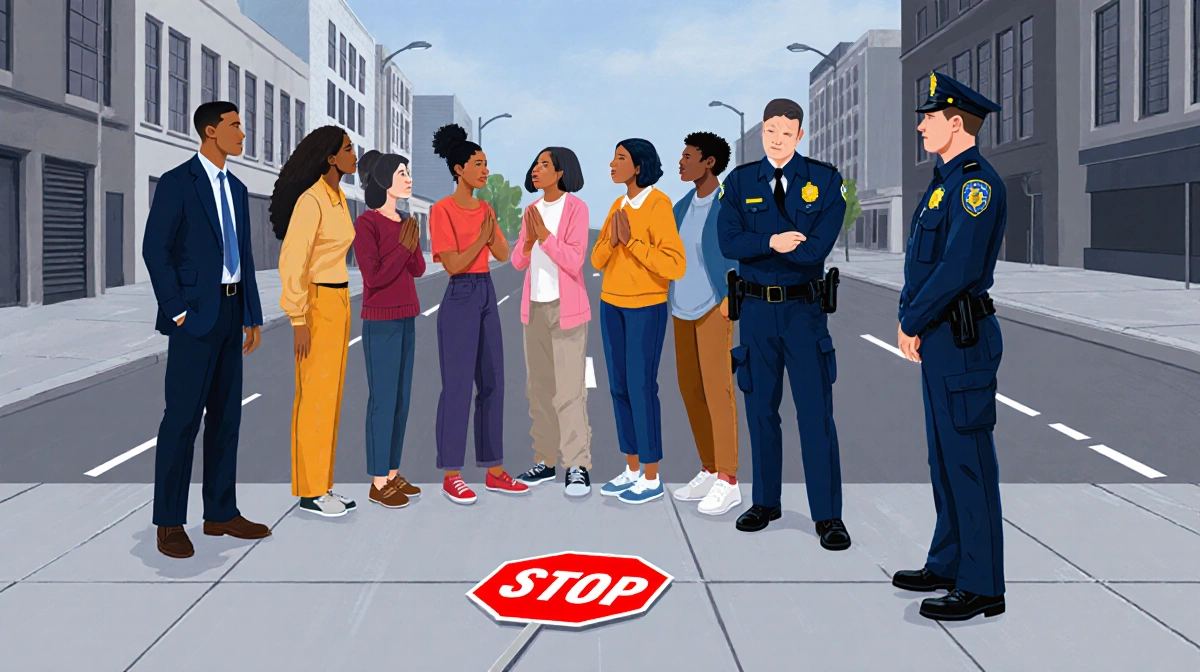
For the children returning to school without a parent, the consequences extend far beyond a single day’s absence. These enforcement actions can permanently alter family structures and community dynamics, with effects that ripple through neighborhoods for years to come.