Saks Global, the luxury retail conglomerate behind Saks Fifth Avenue, Neiman Marcus, and Bergdorf Goodman, has filed for Chapter 11 bankruptcy protection after buckling under debt tied to its 2024 acquisition of Neiman Marcus.
At a Glance
- Saks Global filed for Chapter 11 late Tuesday in Texas, the first major U.S. retail bankruptcy of 2026
- Former Neiman Marcus CEO Geoffroy van Raemdonck immediately replaces Richard Baker as CEO
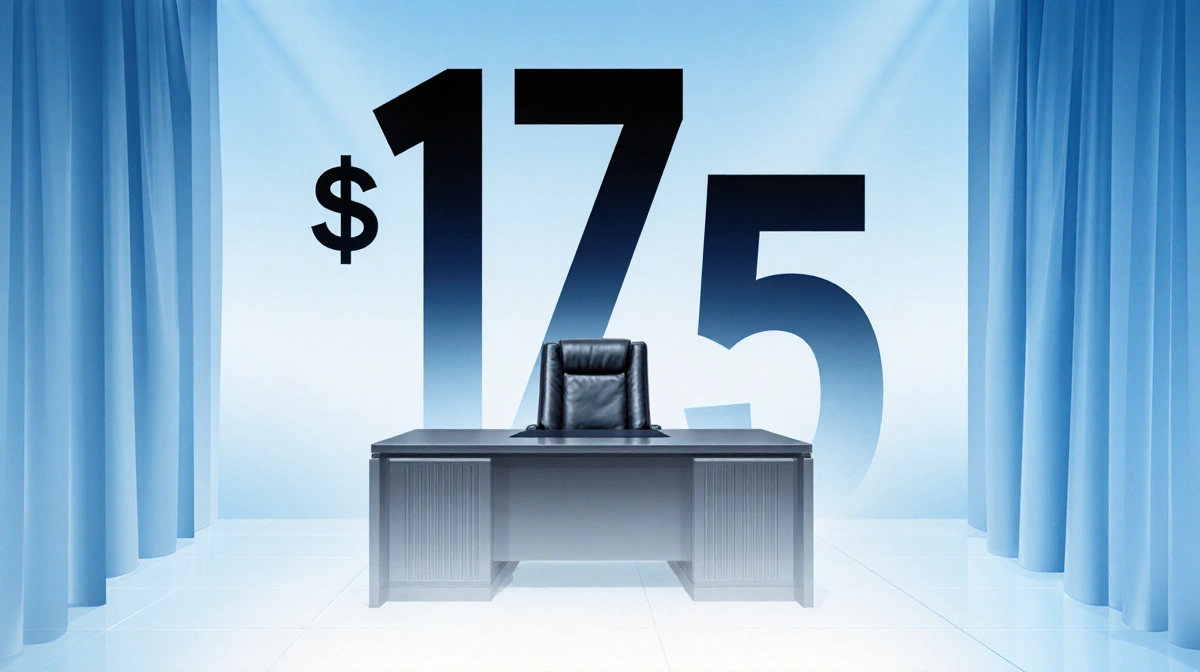
- The company secured $1.75 billion in financing to stay open and plans to exit bankruptcy later this year
- Why it matters: Shoppers could see slimmer luxury selections and fewer promotions as the chain restructures nearly 200 stores
The filing, made in the U.S. Bankruptcy Court for the Southern District of Texas, follows a missed interest payment to bondholders in late December and months of strained vendor relationships, according to News Of Losangeles‘s earlier reporting.
Leadership Overhaul
Van Raemdonck’s appointment is effective immediately. He succeeds Richard Baker, who had served as interim CEO for only two weeks after Marc Metrick’s departure in early January.
“With support from its key financial stakeholders, Saks Global has commenced voluntary chapter 11 cases … to facilitate its ongoing transformation,” the company said in a statement released Wednesday.
Van Raemdonck added: “This is a defining moment for Saks Global, and the path ahead presents a meaningful opportunity to strengthen the foundation of our business and position it for the future.”
$1.75 Billion Lifeline
Saks Global revealed it has locked in:
- $1 billion in debtor-in-possession financing to fund day-to-day operations during bankruptcy
- An additional $500 million committed once the company exits Chapter 11
- Total liquidity package of roughly $1.75 billion
The retailer emphasized that stores will remain open, customer loyalty programs will be honored, and employees will continue to receive pay and benefits while the court reviews “first day” motions.
Roots of the Crisis
The company was formed in 2024 when Hudson’s Bay Co. bought Neiman Marcus in a $2.7 billion debt-heavy deal. The merger aimed to create a luxury powerhouse with greater leverage over brands and streamlined costs.
Instead, integration stumbled. Saks Global fell behind on vendor payments, angering luxury labels and shrinking in-store assortments. Consumer behavior also shifted:
- Shoppers balked at rising luxury prices and perceived quality declines
- Direct-to-brand purchases accelerated, bypassing department stores
- A sluggish economy further weakened high-end spending
CNN, CNBC and the BBC each reported these stress factors in recent months, culminating in Tuesday’s bankruptcy filing.
What Happens Next
No store closures have been announced. Through Chapter 11, Saks Global will:
- Reorganize its debt load
- Explore strategic options including new investment, asset sales, or a potential buyer
- Review its operational footprint to focus resources on markets with the strongest long-term growth
Court approval is being sought to maintain normal operations while the company targets an exit from bankruptcy later in 2026.
Key Takeaways
- Saks Global becomes the first household-name retailer to enter Chapter 11 in 2026
- Leadership change installs a Neiman Marcus veteran to steer restructuring
- $1.75 billion financing package should keep registers running and inventory flowing
- Shoppers may notice leaner selections but no immediate store closures