At a Glance
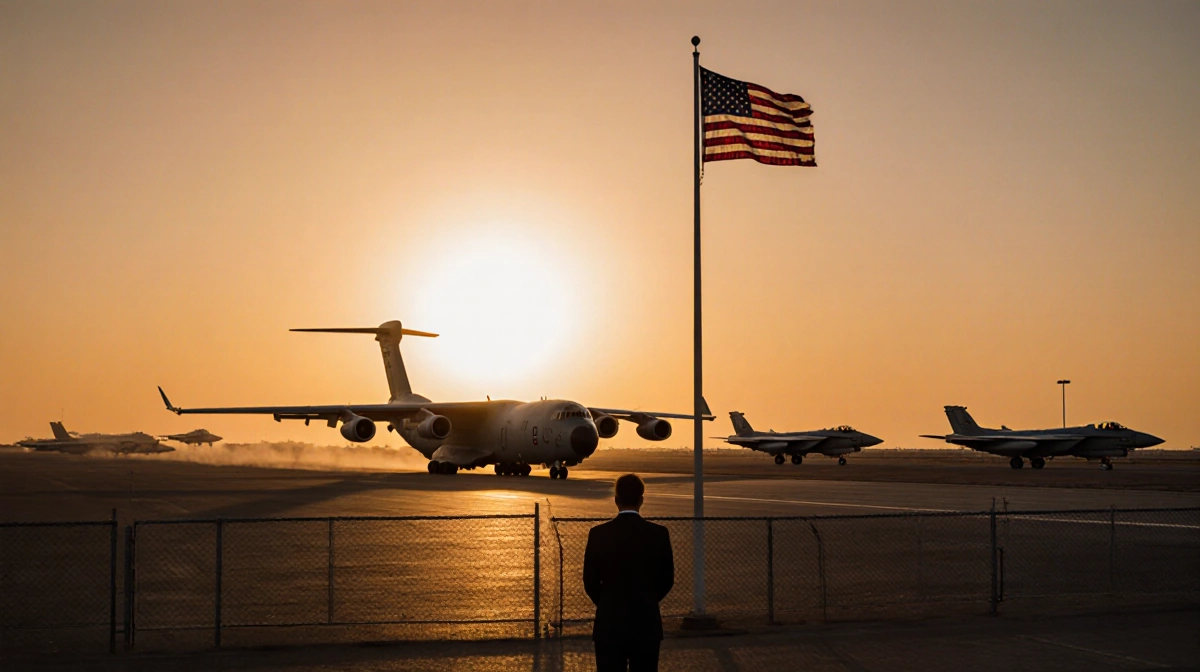
- Hundreds of troops are leaving al-Udeid Air Base in Qatar ahead of possible U.S. action in Iran.
- Tehran warns that American bases across the region will be “legitimate targets” if strikes occur.
- The move follows threats from President Trump over Iran’s planned execution of protesters.
- Why it matters: A coordinated drawdown signals rising odds of U.S. military strikes and raises the risk of a wider regional clash.
American forces have begun pulling hundreds of troops out of al-Udeid Air Base, Qatar’s sprawling U.S. hub, as planners brace for potential military action against Iran, according to two people familiar with the operation.
The personnel are being dispersed to other regional bases and hotels to keep them beyond Iranian missile range should Tehran retaliate for any American strike, the sources told News Of Losangeles.
Troop Movement Signals Escalation
The evacuation marks a shift from the Pentagon’s earlier, last-minute removal of troops in June during the secret “Midnight Hammer” raids on Iranian nuclear sites. This time, officials describe a methodical, coordinated withdrawal meant to lower the risk to American lives before any operation begins.
President Trump is weighing a menu of military responses after Iran’s security forces killed at least 2,500 people and arrested 18,000 more during nationwide protests that erupted last month over soaring prices, according to the U.S.-based Human Rights Activists News Agency (HRANA).
Iranian leaders answered U.S. warnings with threats of their own. Parliament Speaker Mohammad Baqer Qalibaf appeared on state television Sunday and declared that “U.S. military and maritime centers will be our legitimate targets” if American bombs fall on Iranian soil.
Execution Sparks Trump Warning
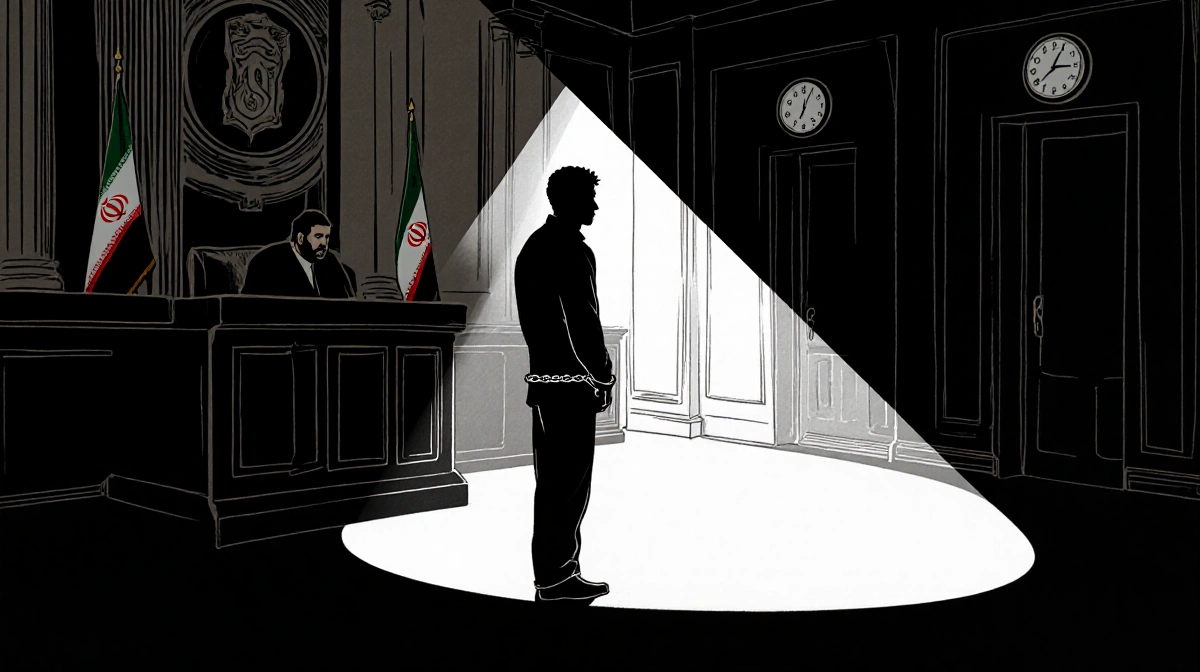
The immediate flashpoint is the fate of Erfan Soltani, a 26-year-old protester sentenced to death after what the State Department calls a “10-minute sham trial” with no defense lawyer. Authorities informed Soltani’s family of his imminent execution on Sunday, and the State Department says the hanging was scheduled for Wednesday.
“If they do such a thing, we will take very strong action,” Trump told CBS News, describing the protest bloodshed as “significant.”
French Foreign Minister Jean-Noël Barrot told RTL radio the crackdown may be “the most violent repression in Iran’s contemporary history.”
Information Blackout
Iran’s government shut down the internet for more than 132 hours, cutting most contact with the outside world. HRANA says the blackout lifted just enough on Tuesday to let Iranians place international calls, driving the sharp jump in its documented death toll.
Despite the communications clampdown, videos verified by Sophia A. Reynolds show scores of bodies outside a makeshift morgue near Tehran. Residents who managed to speak abroad describe heavy security on the streets and near-empty markets even after shops reopened.
Tehran Blames ‘Terrorists’
Iranian authorities reject outside tallies, insisting the dead are “ordinary citizens” killed by “terrorists” and “rioters.” State-run Fars news agency claims most victims had “no connection whatsoever to the riots.”
A mass funeral under tight security drew tens of thousands in Tehran on Wednesday for security personnel and civilians, the Associated Press reported.
Iran’s U.N. mission accused Washington of engineering “unrest and chaos…to manufacture a pretext for military intervention.”
Diplomatic Path Paused
Trump said Tuesday that talks with Tehran are on hold while the violence continues, urging Iranians to “keep protesting” and promising that “help is on the way.”
He has already imposed a 25% tariff on countries and companies doing business with Iran, part of a steadily widening economic squeeze.
Israeli and Arab officials, however, have privately urged Washington to hold off on strikes, fearful of sparking a wider war, News Of Losangeles‘s sources said.
Regional Bases on Edge
Al-Udeid, home to more than 10,000 American service members at its peak, is the largest U.S. base in the Middle East and sits within easy reach of Iranian missiles. The current drawdown affects only “hundreds” of personnel, but commanders are preparing contingency plans for further reductions if tensions rise.
U.S. Central Command has not disclosed where the relocated troops are being housed, citing operational security.
Inside the Crackdown
Judiciary chief Gholamhossein Mohseni-Ejei demanded speed in punishing protesters. “If we want to do a job, we should do it now…If we want to do something, we have to do that fast,” he said in a state-TV video.
Soltani vanished on January 8 as protests spread; his family learned of his death sentence four days ago. Amnesty International says thousands more face similarly rushed proceedings.
Key Takeaways
- The U.S. is repositioning forces before-not after-any potential strike, a marked change from June’s hurried withdrawal.
- Iran’s threat to hit American bases raises the stakes for Gulf allies hosting U.S. troops.
- Execution of protesters, starting with Soltani, could be the trigger for U.S. action.
- With diplomacy stalled and both sides exchanging warnings, the region is bracing for what comes next.