At a Glance
- The 2026 Dark Sky Festival lands Feb. 6-8 in Death Valley National Park
- NASA, JPL and other agencies return for telescope viewings and laser talks
- Park’s Gold Tier Dark Sky Park status draws astronomers year-round
- Why it matters: Prime stargazing season gives visitors rare access to both solar and cosmic spectacles
Death Valley National Park will host its annual Dark Sky Festival from Feb. 6-8, 2026, cementing its reputation as one of the darkest, most astronomy-friendly places in the United States. The three-night event, detailed by Amanda S. Bennett in News Of Losangeles, pairs telescope viewings with daytime solar programming inside the park’s 3.4-million-acre expanse.
What Happens at the Festival
Organizers promise a mix of hands-on telescope sessions, laser-guided constellation tours and talks covering everything from nebulae to our own sun. Past line-ups have featured:
- A lasers-and-light presentation that maps the night sky in real time
- High-powered telescopes set up for public use after dusk
- Daytime solar observations using safe solar-filtered equipment
- Representatives from NASA, Jet Propulsion Laboratory and other science groups
The festival is free after standard park entry fees, but visitors are urged to arrive early; telescope lines grow quickly once darkness falls.
Why February
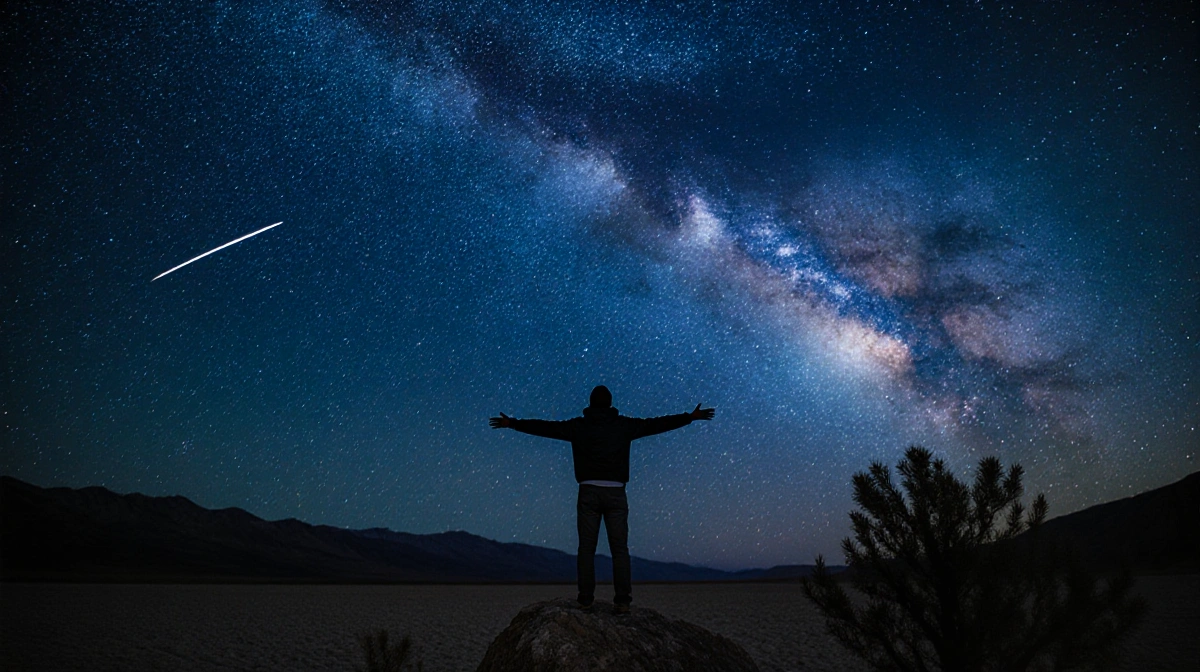
Winter delivers the park’s clearest, driest skies. Average overnight lows hover near 40°F, cool enough for crisp viewing yet mild compared with summer extremes that can top 120°F. The Milky Way climbs high after sunset, giving photographers and casual observers alike a bright band of stars stretching horizon to horizon.
Dark Sky Credentials
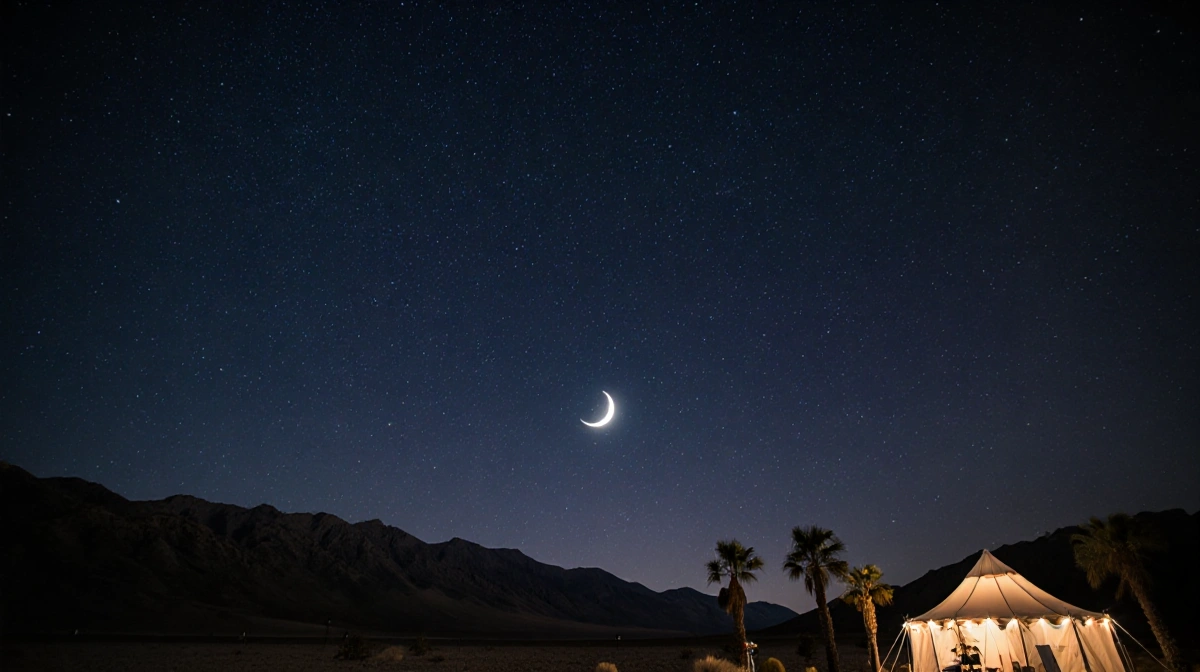
Death Valley earned the International Dark-Sky Association’s Gold Tier designation-its highest level-thanks to minimal light pollution and active night-sky protection policies. Only a handful of U.S. national parks hold the same rank, making the festival a magnet for serious astronomers and first-time stargazers.
Beyond the Festival
Can’t make February dates? The National Park Service maintains a year-round stargazing page with:
- Monthly sky charts
- Moon-phase calendars
- Recommended pull-outs far from headlights
Rangers also host informal night-sky talks throughout winter and spring, no reservation required.
Planning Tips
- Bring red-light flashlights to preserve night vision
- Telescope viewing starts roughly one hour after sunset
- Dress in layers; desert temperatures drop fast
- Fill up with gas and water before entering the park-services are sparse
Key Takeaway: Whether you catch the festival or visit on a random moonless night, Death Valley delivers some of the darkest skies left in the Lower 48, turning every horizon into a front-row seat for the cosmos.