At a Glance
- President Trump told advisers any U.S. military action in Iran must deliver a swift, decisive blow without triggering a prolonged war
- Advisers cannot guarantee the regime would collapse after an American strike and worry about insufficient assets in the region
- Hundreds of U.S. troops left Qatar on Wednesday as a precaution
- Why it matters: The White House is weighing limited strikes while bracing for an aggressive Iranian response that could endanger U.S. forces and allies
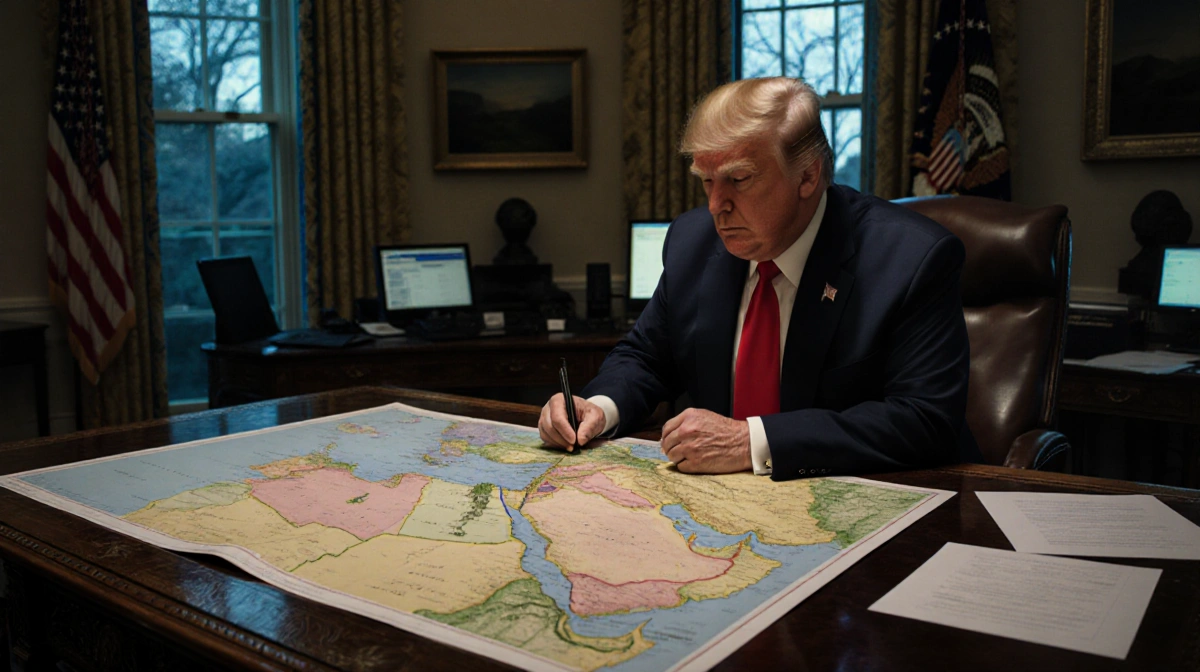
President Trump has directed his national security team to craft military options for Iran that would cripple the regime quickly and avoid a drawn-out conflict, according to four sources involved in the discussions.
The president’s stance emerges as protests rock Iran and the administration debates whether to use force in support of demonstrators. Trump has repeatedly warned Tehran that continued violence against protesters or executions could trigger U.S. intervention.
Trump’s Red Lines
“If he does something, he wants it to be definitive,” one person familiar with the discussions said.
Trump’s criteria for any strike:
- Swift impact on regime capabilities
- No prolonged ground campaign
- Clear exit strategy
Advisers have not assured him that a limited strike would topple the government, the sources said. They also caution that the Pentagon may lack sufficient forces in the region to counter an expected Iranian retaliation against U.S. troops, Israel, or Gulf partners.
Decision Pending
No final decision had been made as of Wednesday afternoon, the sources emphasized. The situation remains fluid, with Trump continuing to receive intelligence updates.
During a Tuesday visit to Detroit, Trump told Iranian protesters “help is on the way” and described conditions inside Iran as “fragile.”
On Wednesday, Trump told reporters that Tehran had halted protester killings and canceled planned executions, either of which he had previously labeled potential tripwires for U.S. action.
“We have been informed by very important sources on the other side, and they said the killing has stopped and the executions won’t take place,” Trump said. “I hope it’s true. Who knows?”
Asked whether military action was now off the table, he replied: “We’re going to watch and see what the process is.”
Pentagon Options
Defense officials have tailored strike packages to match Trump’s objectives, the sources said. Updated options were scheduled for presentation to the president on Wednesday.
Among the concerns:
- A weakened Iranian regime might lash out more violently
- Limited U.S. assets in theater could leave forces exposed
- Regional allies, especially Israel, face heightened risk
Last June’s Operation Midnight Hammer-U.S. strikes on Iranian nuclear sites-prompted advance-warning Iranian missile fire at Al Udeid Air Base, Qatar. American troops sustained no casualties.
Force Protection
On Wednesday, hundreds of U.S. troops departed Al Udeid for safer locations, according to News Of Losangeles. Additional precautionary measures are under way across the region to safeguard personnel, civilians, and dependents.
Unlike the buildup before Operation Midnight Hammer, the military has not surged large reinforcements into the region. Commanders retain aircraft, ships, and special-operations units nearby to conduct targeted or limited strikes if ordered.
White House Response
Asked about Trump’s guidance to aides, a White House official said: “All options are at President Trump’s disposal to address the situation in Iran,” citing last year’s strikes and recent action in Venezuela as evidence that “he means what he says.”
Vice President JD Vance chaired an Iran meeting Tuesday afternoon that Trump joined after returning from Michigan. The president was briefed on the latest estimated protester death toll and requested additional information.
Senior administration officials held hours of discussions at the White House on Tuesday to define U.S. military goals for a potential strike and game out Iranian retaliation scenarios, Jonathan P. Miller reported.
Sources
The article is based on interviews with:
- A U.S. official
- Two people familiar with the discussions
- A person close to the White House
- A second U.S. official
- A third person familiar with the matter
- Two White House officials
Contributors: Peter Alexander and Monica Alba.