
At a Glance
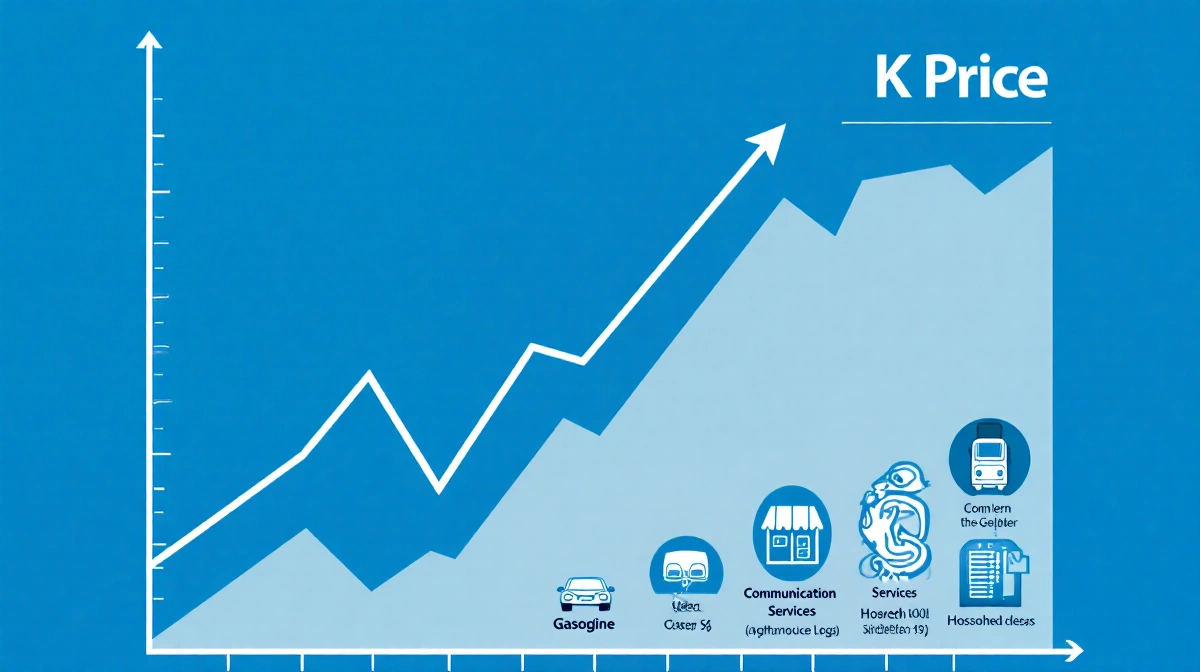
- Grocery, electricity and natural gas prices all rose in December
- Lower-income households cut non-essential spending as basics cost more
- Top 5 % of earners drove most 2025 spending growth
- Why it matters: Everyday bills are widening the income gap and shaping election-year politics
Inflation stayed level overall last month, but the prices households pay most often-food, power and gas-kept climbing, government data released Tuesday show. The uneven squeeze is pushing lower earners to pull back while high-income shoppers keep spending, a split economists call a “K-shaped” recovery.
Food and Utilities Lead Price Gains
Five major grocery categories grew more expensive in December, the Bureau of Labor Statistics reported. Dining out also cost more, extending a run of food inflation that has outpaced wages for many families.
Utility bills added to the strain:
- Electricity up 7 % in 2025
- Natural gas posting double-digit yearly gains
Health-care prices, subdued for several years, are now accelerating again, the same BLS release shows.
Where Prices Fell
Some costs moved the other way, cushioning the headline number:
- Gasoline dipped last month
- Used cars, communication services and household services all declined
Even with those offsets, the essentials most consumers cannot skip-food, power, medicine-continued their climb.
The K-Shaped Split
Persistent inflation in basics is deepening a two-tier economy. Higher-income households, buoyed by rising home values and a strong stock market, still travel, eat out and shop online. Lower-income families are trimming discretionary purchases.
Bank of America card data show the top 5 % of earners generated the bulk of 2025 spending growth through late last year. Within that group, travel, restaurants and e-commerce stayed robust. Lower-income users cut back on:
- Airline tickets
- Vacation rentals and hotels
- Entertainment
- Furniture
Bank of America economists told clients Monday: “The ‘K’ is here to stay.”
Economic Risks
When growth depends on a narrow slice of high earners, the wider economy becomes vulnerable. Hiring has cooled and wage gains have slowed, limiting upward mobility.
“These families are frustrated at their ability to get ahead because of the rise in the cost of living, the lag in wage growth, their inability to save and the increase in their credit card balances,” said Glenn Williams, CEO of financial-services firm Primerica.
Rob Holston, who leads the consumer-products practice at consulting giant EY Global, wrote after the inflation release: “Price pressure is edging higher across key consumer product categories that matter most to consumers.”
Political Fallout
Consumer sentiment has dropped well below year-ago levels, surveys show. Voters cite affordability as a top 2026 concern, putting pressure on the White House and Congress with primary season beginning in March.
President Donald Trump, speaking Tuesday at the Detroit Economic Club, called affordability “one of our top priorities,” blaming Democrats for price pressures. In recent days he has urged oil companies to export Venezuelan crude to lower gas prices, ordered roughly $200 billion in mortgage-bond purchases to trim borrowing costs and asked credit-card issuers to cap rates at 10 % for one year.
Lower interest rates remain central to Trump’s economic pitch, but most analysts expect the Federal Reserve to hold its benchmark rate steady at its meeting later this month. Economists warn that cutting too quickly could reignite inflation.
Key Takeaways
- Headline inflation was flat in December, yet food, electricity and natural gas kept rising.
- Lower-income households are pulling back on travel, entertainment and furniture, while the top 5 % propel overall spending.
- The split risks broader growth if hiring and wage gains stay soft.
- With voters anxious about living costs, both parties are pitching fixes ahead of the midterms, though Fed officials may keep rates unchanged for now.