At a Glance
- 33 critically endangered North Atlantic right whales were spotted in Cape Cod Bay on January 10
- This may be the highest January single-day count ever recorded in the bay
- Researchers observed over 8% of the global population during the survey
- Why it matters: The sighting offers hope for a species with only 384 individuals remaining worldwide
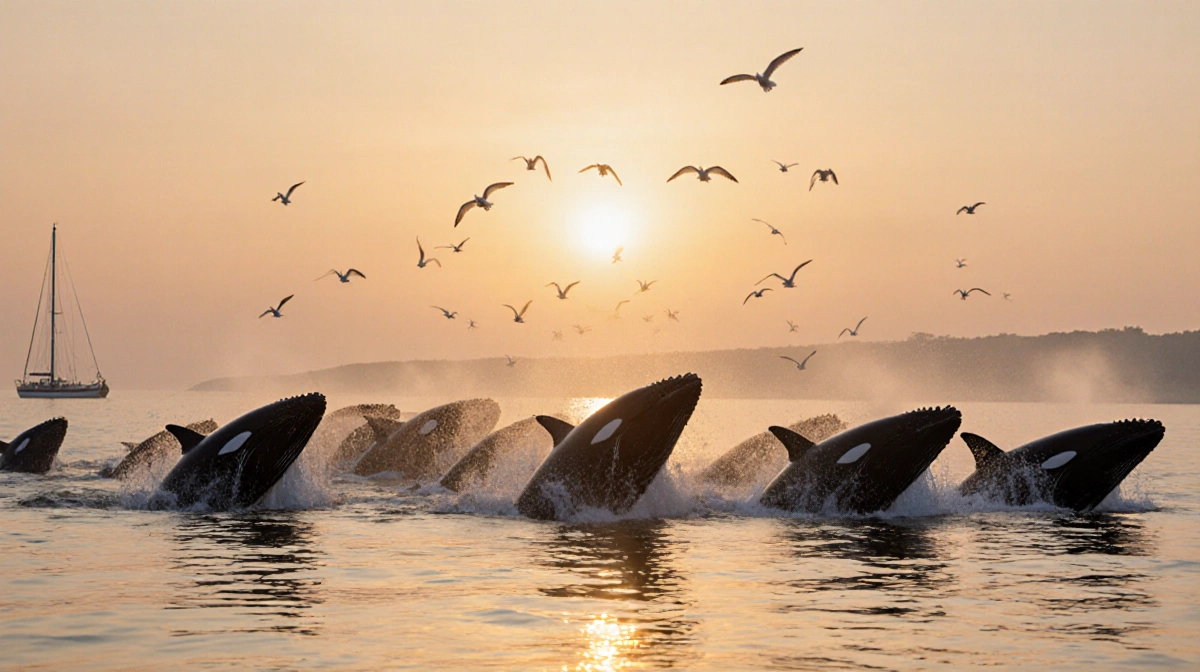
A single aerial survey over Cape Cod Bay has documented what researchers believe is a record number of endangered whales in January, raising cautious optimism for one of the world’s rarest marine mammals.
The Center for Coastal Studies (CCS) announced that 33 North Atlantic right whales were observed during a flight on Saturday, January 10. This figure could represent the highest number of right whales ever documented in the bay during a single January day, according to CCS Aerial Observer Ryan Schosberg.
Unusual Behavior Noted
Most whales seen in December and early January typically form surface active groups. During the January 10 survey, nearly all animals were instead engaged in shallow subsurface feeding-a behavioral shift that surprised researchers.

The latest count brings the total number of right whales observed during the 2025-2026 field season, which began in November, to 54 individuals. The first sighting of the season occurred on December 5, when 10 whales were recorded.
Population Impact
With an estimated 384 North Atlantic right whales remaining worldwide, based on 2024 data from the North Atlantic Right Whale Consortium, the January 10 survey documented more than 8% of the entire species in a single flight.
Among the 33 whales were two notable individuals:
- A 45-year-old whale that had been documented only once in the previous 15 years
- A calf that surprised researchers when it was first reported last season during another Cape Cod Bay survey
Conservation Measures in Place
Ship strikes rank among the greatest threats to North Atlantic right whales. To reduce this danger, the CCS notes that several protective measures are now active:
- Vessels 65 feet and longer are limited to 10 knots or less in Cape Cod Bay as of January 1
- Additional speed restrictions for smaller boats and fixed fishing gear take effect February 1
- Federal regulations prohibit anyone-including boaters, kayakers, paddle-boarders, swimmers, light aircraft pilots, and drone operators-from approaching a North Atlantic right whale within 500 yards without a federal research permit
Additional Sightings
The New England Aquarium told CBS News that its researchers spotted 23 right whales during two flights south of Nantucket, Massachusetts, prompting authorities to establish a slow zone for boats in that area.
Species Status
The North Atlantic right whale has been listed as endangered under the Endangered Species Act since 1970 and is classified as Critically Endangered by the IUCN Red List. The species is considered one of the rarest whale species globally.
The news follows a 2.1% population increase reported between 2023 and 2024, making researchers cautiously optimistic about future growth.
Key Takeaways
- A single-day survey documented 33 critically endangered whales, over 8% of the global population
- Protective speed limits and approach restrictions are now in effect to reduce ship-strike risk
- The 2025-2026 season has already recorded 54 individuals, suggesting strong early presence in Cape Cod Bay