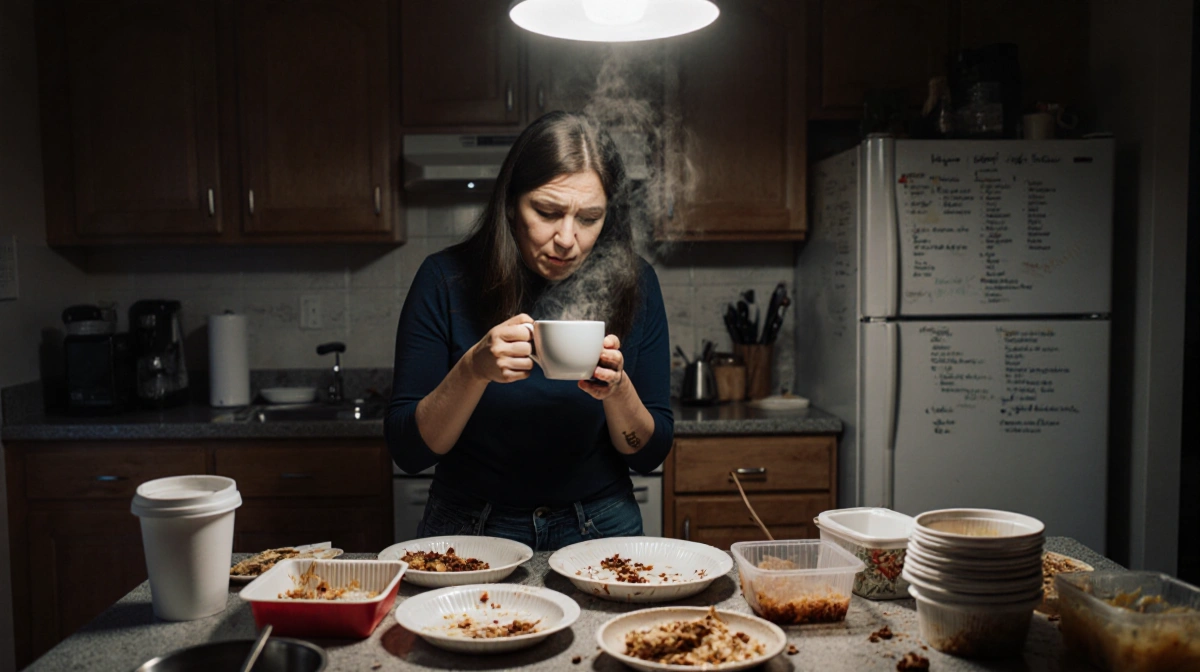
Moms across the country are hitting a breaking point over an invisible household role that dominates their daily lives: being the food parent.
The term describes the parent who shoulders nearly all mental and physical work of feeding children-planning meals, grocery shopping, packing lunches, navigating picky eating, and coping with rejection at the dinner table. According to News Of Losangeles‘s investigation, that parent is almost always mom.
At a Glance
- A 2024 USC study of 500 households found women carry the cognitive load for every food-related task.
- Dr. Colleen Reichmann says the role carries 70% of domestic weight yet often goes unrecognized.
- Social pressure to serve “clean” meals intensifies guilt when kids refuse food or prefer snacks.
- Why it matters: Unequal food labor is driving maternal burnout and reinforcing outdated gender expectations.
The 24/7 Mental Load No One Sees
“The pressure is relentless,” explains Dr. Colleen Reichmann, an eating-disorder and perinatal psychologist based in Philadelphia. “In my opinion, it’s endless work throughout every day, seven days a week.”
Reichmann, herself a mom of two, defines the food parent as the adult responsible for:
- Planning weekly menus
- Buying groceries within budget
- Packing school lunches that won’t be traded away
- Inventing dinners that suit selective eaters
- Monitoring nutrition without sparking body shame
- Tossing uneaten food and starting over the next day
“It’s not just making dinner, which I think people automatically think it is,” she stresses. The job starts the moment eyes open-What can I pack that won’t come home untouched?-and lingers after lights out-Will they finally eat vegetables tomorrow?
Data Confirm Moms Carry the Burden
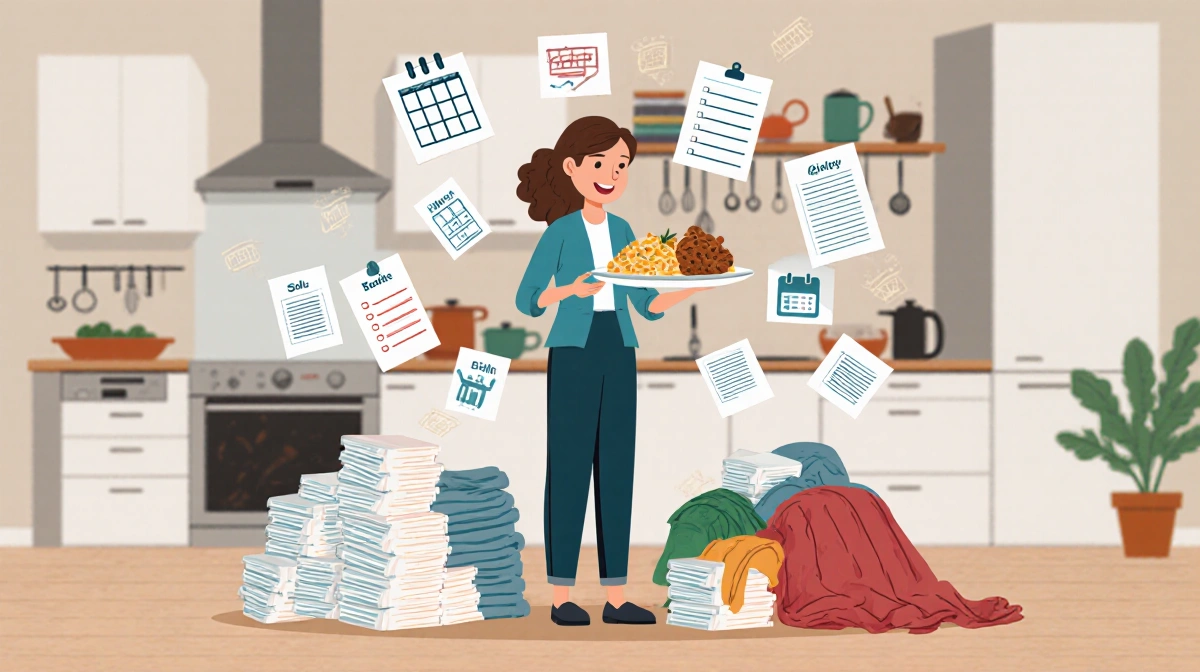
Eve Rodsky’s Fair Play Institute partnered with the University of Southern California in 2024 to survey 500 households. Results show women handle the mental gymnastics for virtually every household duty, food duties included:
| Task | Cognitive Load Falls On |
|---|---|
| Meal planning | Moms 91% |
| Grocery lists | Moms 88% |
| Lunch packing | Moms 85% |
| Dinner prep | Moms 79% |
| Kitchen clean-up | Moms 74% |
Even in homes that strive for equality, mothers slide into the role. “We try to use feminist partnership values, but I think it just happens if you’re not super careful,” Reichmann admits. “The way our society is set up, mothers just slide into taking things on without realizing it.”
When Kids Reject Dinner, Moms Absorb the Blow
For many food parents, the most demoralizing moment isn’t the cooking-it’s the chorus of “yuck” before forks even lift.
“Honestly, for me it’s very upsetting,” Reichmann says. One of her children is a highly selective eater, forcing her to research nutrients, textures, and creative presentations nightly. “I really have to do a lot of self-soothing through making meals.”
After she posted about the plight on Instagram, hundreds of moms vented:
- “I was crying last night over my toddler’s not eating.”
- “The mental hoops I jump through to make sure my picky toddler is fed each day is exhausting.”
- “Throwing leftovers away because no one ate it… I cried over it this week.”
- “If you have a child in a bigger body, that’s seen as the mother’s ‘failure.'”
Dads Don’t Feel the Sting the Same Way
Reichmann points out that even when fathers take over food duties, cultural baggage doesn’t weigh on them equally. “Eating issues are so skewed towards women in our society,” she notes. Mothers simultaneously worry about:
- Kids consuming enough nutrients
- Avoiding transference of parental food issues
- Maintaining a body-positive environment
- Meeting the Instagram-worthy standard of “clean” plates
“There’s this simmering pressure,” Reichmann says. Fathers rarely face public judgment for serving packaged mac-and-cheese, yet mothers confess guilt in whispered tones.
The Tyranny of Ideal Meals
Health messaging that demonizes processed food adds another layer. While balanced, home-cooked dinners are admirable goals, the expectation can morph into another metric moms feel they’re failing.
“It starts to feel like it’s just another way to constantly be failing as a mother,” Reichmann warns. A rotisserie chicken and bagged salad can trigger shame where convenience should offer breathing room.
Strategies to Rebalance the Load
Reichmann counsels families to treat food labor like any high-impact chore: audit, divide, redistribute. She recommends:
- List every food-related micro-task for one week.
- Identify which pieces feel most triggering-grocery crowds, lunchbox creativity, leftover disposal.
- Ask partners to claim the tasks that drain mom the least.
- Repeat the audit quarterly; kids’ needs evolve.
“Think of it as a really weighted domestic task,” she advises. “If other things have a 10% weight, being a food parent has 70% and needs to be dispersed a bit more.”
Key Takeaways
- Hidden work: Food parenting spans planning, shopping, cooking, nutrition research, and emotional fallout-far beyond dinner itself.
- Gender skew: A 2024 USC study confirms women shoulder up to 91% of food cognitive labor even in dual-income homes.
- Emotional toll: Meal rejection, picky eating, and social pressure for perfect nutrition drive maternal stress and guilt.
- Solutions: Treat the role as a measurable 70% domestic burden and systematically offload the most draining parts to partners.
Until households recognize food labor’s true weight, moms will continue trading sanity for snacks that might-maybe-get eaten.
This story first appeared on News Of Losangeles.