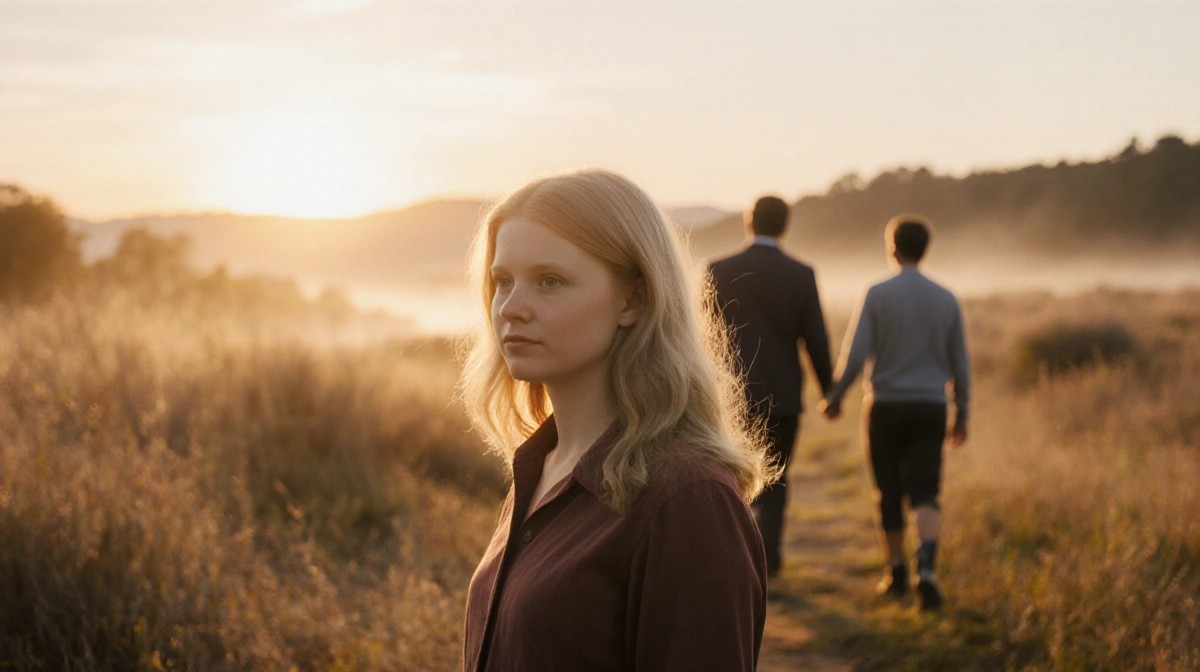
Elizabeth Smart is sharing new details of her 2002 kidnapping and nine-month captivity in the Netflix documentary Kidnapped: Elizabeth Smart, premiering January 21.
The 38-year-old activist, who founded the Elizabeth Smart Foundation to support survivors, appears alongside her father Ed Smart, sister Mary Katherine Smart, investigators and witnesses. She hopes the film shows the long-term trauma survivors endure.
At a Glance
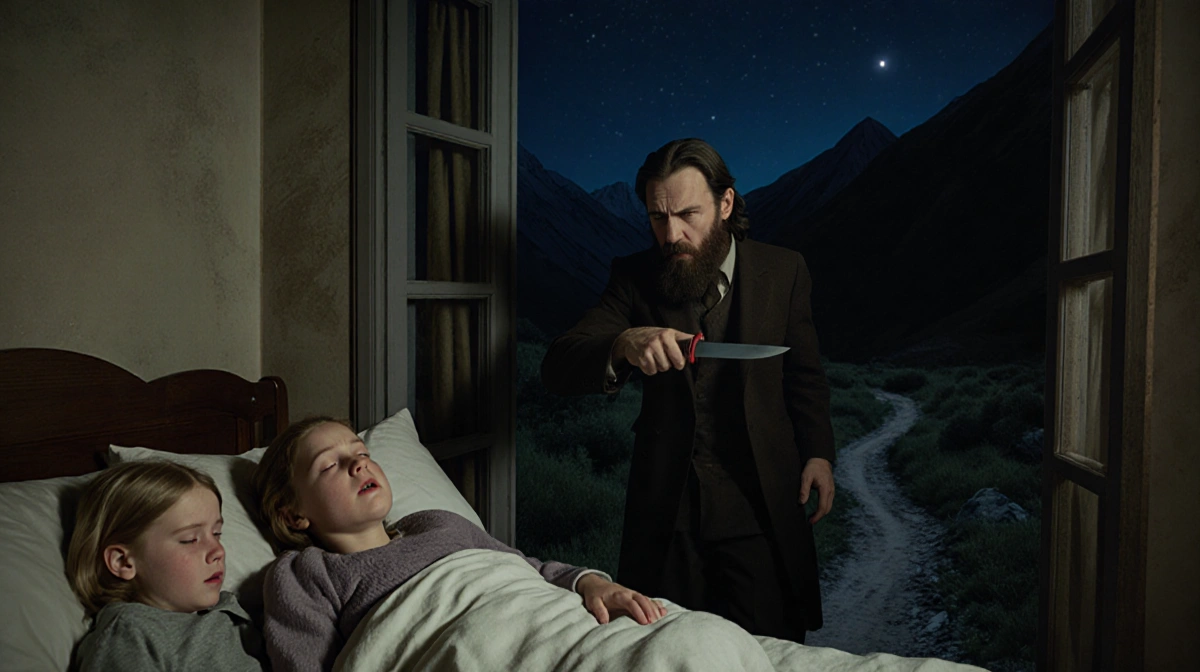
- Smart was 14 when abducted at knifepoint from her Salt Lake City bedroom on June 5, 2002
- Captor Brian David Mitchell raped her up to four times daily, walked her like a dog and forced alcohol on her
- A tip from an America’s Most Wanted viewer led to her rescue on March 12, 2003
- Why it matters: Smart wants viewers to feel “the depth of fear” and urges survivors to know they are not alone
The Night of the Kidnap
After a busy last day of eighth grade, Smart fell asleep next to her 9-year-old sister around midnight. She awoke to a bearded man pressing a knife to her throat, threatening to kill her if she screamed. He led her out the back door and up a rugged mountain trail to a desolate camp where Wanda Barzee, Mitchell’s wife, waited.
Barzee washed Smart’s feet, warned that Mitchell would rip off her pajamas if she refused to change, then dressed her in a loose robe. Moments later Mitchell entered the tent and raped her for the first of countless times.
“I screamed out, ‘No!’ and he said, ‘If you ever scream like that again, I will kill you,'” Smart recalls.
Daily Torture and Humiliation
Over the next nine months Mitchell raped Smart regularly, sometimes leaving her bleeding. He clamped a cable around her neck and paraded her like a dog to fetch water. He forced beer down her until she vomited, then left her facedown in it. Barzee, jealous of Mitchell’s attention, encouraged the abuse.
Raised Mormon and never taught about sex, Smart felt “ruined beyond repair” and feared she would become a “pariah.” She contemplated whether death might be preferable. When her period started in captivity, she worried about pregnancy.
Outwardly she stayed submissive while searching for escape chances. “That was the best way to survive,” she says.
Rescue and Aftermath
On March 12, 2003, a viewer who had seen Smart on America’s Most Wanted spotted her with Mitchell and Barzee in Sandy, Utah. A police officer pulled her aside and asked if she was Elizabeth Smart. She answered, “Thou sayest,” ending the ordeal.
Smart calls the rescue “one of the happiest days. I knew that my family was the reason I wanted to survive.”
Her parents celebrated her 15th birthday with a party she had missed. She returned to school, graduated from Brigham Young University and served a Mormon mission in Paris, where she met husband Matthew Gilmour. They now have three children.
Speaking Out Again
Smart has written two bestsellers and previously told her story in TV movies, yet she still meets survivors who share her shame. “After I was rescued, I was very embarrassed by what had happened to me,” she tells News Of Losangeles. “Even though my head totally knew it wasn’t my fault, I couldn’t make my heart feel the same way.”
She hopes the documentary helps people grasp survivors’ ongoing fear and isolation: “I want people who have never experienced this to get a taste of what it’s really like-to be forced to do things you would never do.”
Key Takeaways
- Smart endured daily sexual assault, humiliation and psychological torment for nine months
- Her rescue hinged on a single observant citizen and quick police action
- Now a mother, she channels her trauma into advocacy through the Elizabeth Smart Foundation
- The Netflix film urges survivors to shed shame and recognize they are not alone