A recent NOAA report warns that December temperatures across the U.S. will be 8% colder than the average of the last decade, a drop that could push home heating costs to new highs.
The colder winter means more power will be required to maintain most homes at safe temperatures. For consumers, that translates into steeper monthly energy bills. The National Oceanic and Atmospheric Administration has identified this temperature trend for the upcoming season. It is the first time the average December temperature has dipped below the 10-year baseline by this margin. The impact is already visible in preliminary power usage forecasts.
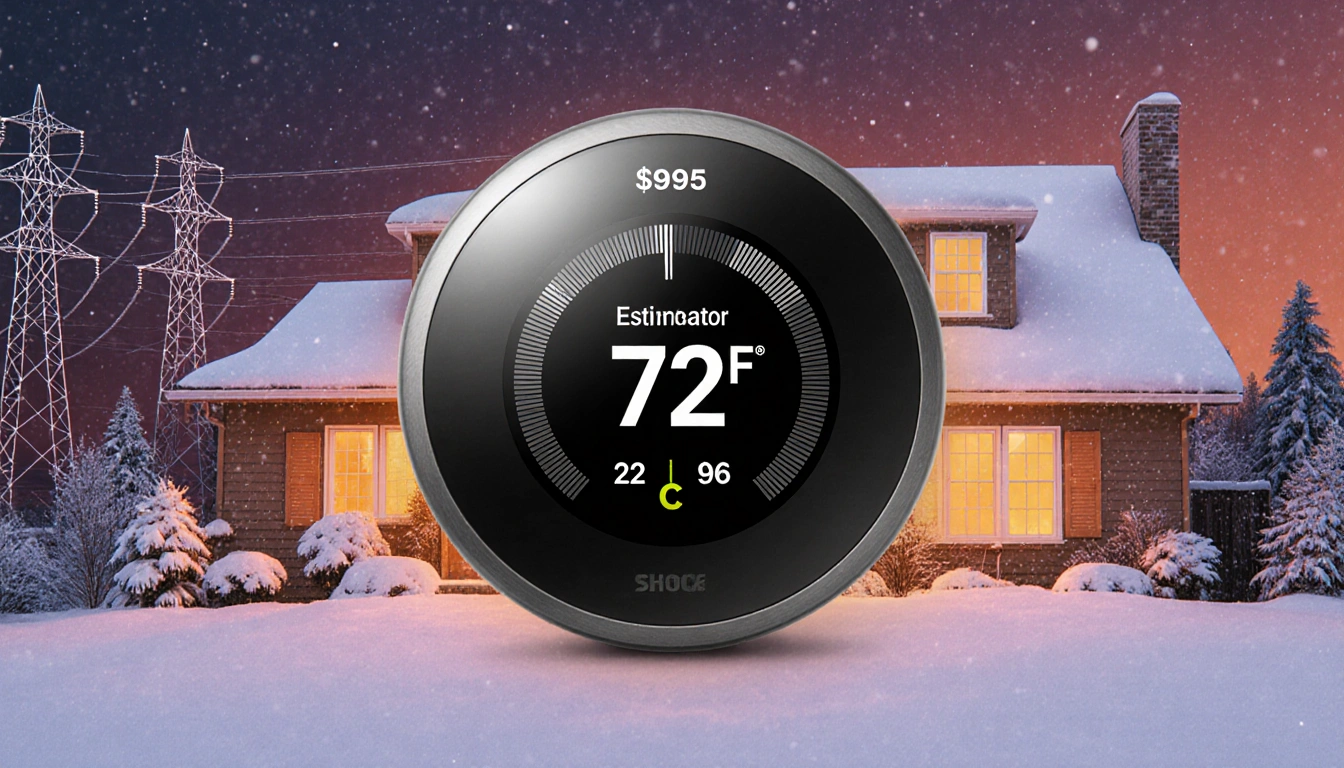
NEADA, the National Energy Assistance Directors’ Association, released a report estimating that U.S. households could spend an average of $995 on home heating from mid-November to March. That amount is $84 more than households spent last winter. The report projects heating costs will rise by an average of 9.2% over the next three months. These figures are based on current temperature projections and historical consumption patterns. The report emphasizes the financial strain on low-income families.
Residential electricity costs are at their highest levels in a decade, according to the same NEADA report. This year alone, the average monthly electric bill has already jumped 10%, as noted in the Tuesday-issued analysis. The increase reflects broader market pressures and the need for additional power during colder months. It also underscores the rising cost of staying warm for households that rely on electricity. The report highlights that this trend is not limited to heating alone.
Another driver of higher electricity prices is the surging demand for power from artificial intelligence data centers. Data centers consume massive amounts of electricity, and the cost of wholesale electricity in areas near AI data centers has surged 267% in the last five years, according to a Bloomberg News analysis. This growth has strained local grids and pushed prices upward. The analysis indicates that the expansion of AI infrastructure continues to impact regional energy markets. NEADA notes this factor when assessing overall cost trends.
The aging electric power grid also contributes to higher prices, as NEADA points out. Repairing and maintaining the grid requires significant investment, which is reflected in consumer bills. The organization argues that infrastructure costs are a key component of the rising utility expenses. The report cites specific examples of grid upgrades and their financial implications. It stresses the importance of federal funding to support these upgrades.
NEADA warns that about 4 million households could be at risk of having their power shut off this winter. The risk is higher for families that cannot afford rising utility bills. Mark Wolfe, NEADA’s executive director, said in a release, “Energy is not a luxury-it is a necessity.” He added, “No family should lose power because they cannot afford rising utility bills.” The statement underscores the urgency of addressing affordability.
Households that rely on electricity for heating may face even heftier bills than those using other energy sources. NEADA estimates average costs for electric heating could rise to $1,223 this winter. In contrast, households that use natural gas could pay average heating costs closer to $704 for the winter. The difference highlights the impact of energy source on overall heating expenses. The report calls for targeted assistance for electric-heated households.
The issue of rising energy costs is politically sensitive for President Donald Trump, who has tried to downplay the idea that affordability has become a major problem for voters. The administration’s stance contrasts with the data presented by NEADA and NOAA. The report’s findings suggest that the broader public is feeling the strain of higher living costs. The political discourse around energy affordability remains contentious.
Many consumers are already struggling to keep up with their power bills, according to NEADA. The report indicates that the increased cost of living extends beyond energy to other essential expenses. The organization highlights that households with limited income are disproportionately affected. The findings suggest that energy affordability is part of a larger economic challenge facing Americans.
NEADA represents state governments seeking federal funds for low-income home energy programs. The association uses its findings to advocate for increased funding and policy support. The organization’s role is to provide data that informs state and federal decision makers. NEADA’s analysis is part of a broader effort to address energy poverty. The report’s detailed cost estimates are intended to guide resource allocation.
Overall, the combination of colder temperatures, rising electricity prices, infrastructure costs, and the growth of data center demand is creating a perfect storm for consumers. The NEADA report provides a comprehensive view of how these factors interact. It underscores the need for immediate policy action to protect vulnerable households. The data also serves as a benchmark for future energy planning.
Key Takeaways
- Average U.S. home heating costs could reach $995 from mid-November to March, $84 above last winter.
- Residential electric bills have risen 10% this year, with wholesale prices near AI data centers up 267% over five years.
- About 4 million households risk power shut-offs, and electric-heated homes may pay $1,223 versus $704 for gas-heated homes.
The winter ahead presents significant challenges for American households. As temperatures drop and energy costs climb, the financial burden on families-especially those with limited resources-will intensify. Policymakers, utilities, and advocacy groups must work together to ensure that energy remains a necessity, not a luxury. The NEADA report serves as a stark reminder of the urgency of addressing energy affordability before the coldest months arrive.