At a Glance
- The Mary Tyler Moore Show aired “My Brother’s Keeper” on January 13, 1973, quietly introducing network primetime to an openly gay man accepted by friends.
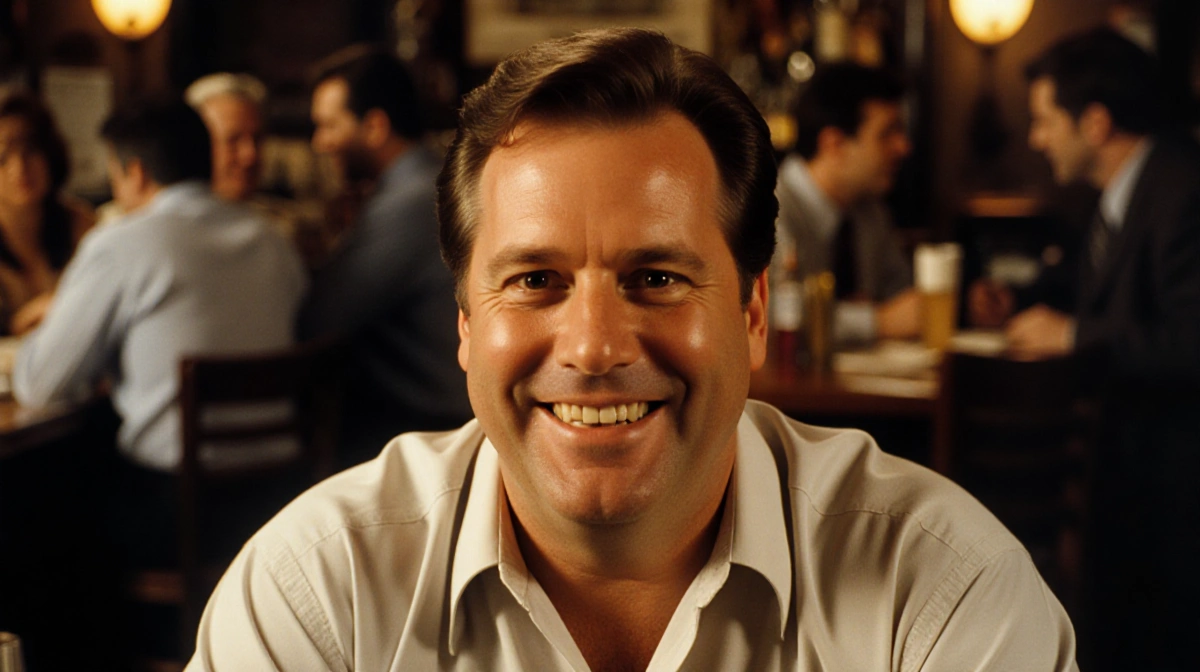
- Ben Sutherland, played by openly gay actor-director Robert Moore, is revealed as gay through a matter-of-fact exchange that treats his identity as no big deal.
- The episode never makes Ben’s sexuality the punchline; instead, the humor targets Phyllis’s panic over a nonexistent romance.
- Why it matters: A 30-minute sitcom showed millions that being gay was simply part of someone’s life, not a scandal or tragedy.
The Mary Tyler Moore Show earned laughs by poking fun at workplace politics and quirky neighbors, yet it also slipped a quiet revolution into living rooms across America. In season three, an episode titled “My Brother’s Keeper” delivered network television’s first openly gay male character who was welcomed, not shunned, by those around him.
The Setup Phyllis Hopes for a Match
Phyllis, played by Cloris Leachman, arrives bursting with excitement: her bachelor brother Ben Sutherland is visiting from New York City and, in her mind, is perfect for Mary. She orchestrates an introduction, but Ben politely dodges the setup, blaming jet lag for declining a dinner date. The next evening he returns to Mary’s apartment alone to apologize for the awkwardness and ends up hitting it off with Rhoda instead.
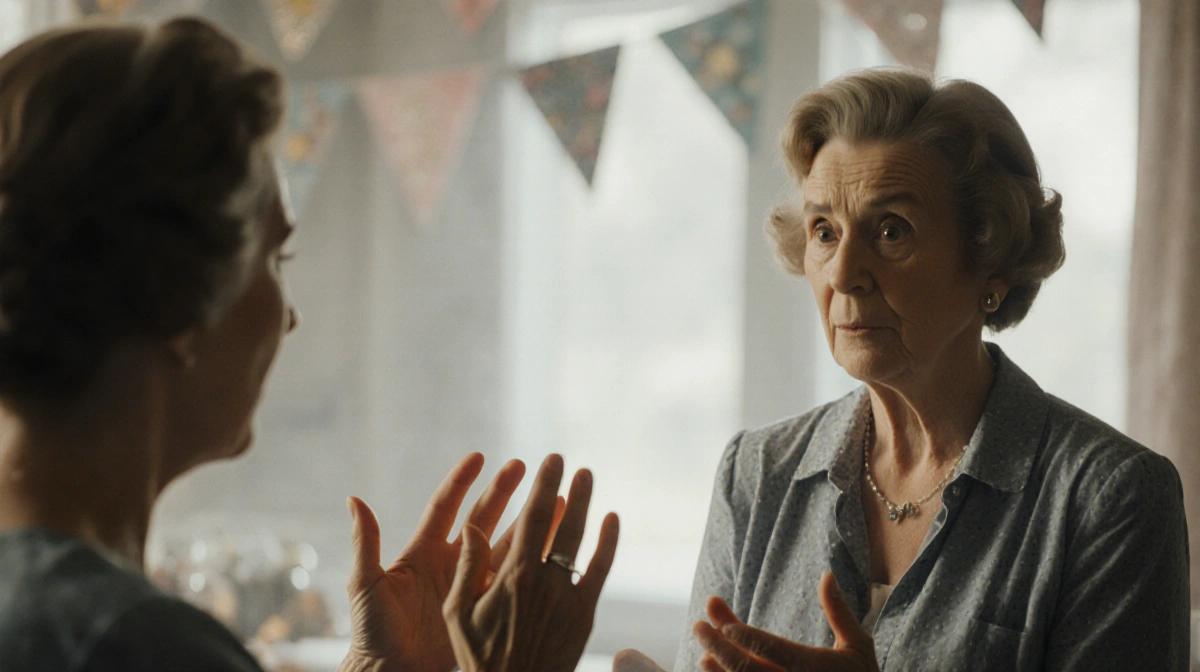
Their chemistry is instant, and the pair become inseparable at Mary’s party. Phyllis watches in horror, convinced her free-spirited tenant is about to ensnare her brother in an unsuitable romance. She corners Ben and pleads with him to stay away from Rhoda, turning the gathering into a comedic disaster as guests flee the tension.
The Reveal A Single Line Changes Everything
After the party disperses, Rhoda finds Phyllis wringing her hands. She assures her landlady that nothing romantic is happening. Phyllis fires back a list of Ben’s virtues: “He’s attractive, he’s witty, he’s single-” Rhoda cuts her off with the blunt truth: “He’s gay.”
A laugh track erupts, not at Ben’s identity, but at Phyllis’s sudden relief. She hugs Rhoda, the misunderstanding evaporates, and the episode ends with Ben playing a cheerful jingle on the piano while Phyllis beams beside him. No moralizing, no tears, no scandal-just acceptance.
Behind the Character Robert Moore’s Parallel Life
Off-screen, Robert Moore was himself an openly gay man working in an era when discretion was often mandatory. He had already portrayed gay characters on stage and screen, most notably as a paraplegic gay man opposite Liza Minnelli in the 1970 film Tell Me That You Love Me, Junie Moon. Moore also directed episodes of Rhoda, the Mary Tyler Moore spin-off, and earned a Tony nomination for Best Direction of a Musical for Woman of the Year in 1981.
Moore died in May 1986 of AIDS-associated pneumonia, five years after his Broadway nod. His legacy includes breaking early ground for LGBTQ+ representation by simply insisting on being seen as a whole person.
Cultural Footprint A Quiet Milestone
“My Brother’s Keeper” never became a headline-grabbing “very special episode.” Instead, it threaded its message into a standard sitcom plot, allowing viewers to absorb acceptance without feeling lectured. The show treated Ben’s sexuality as one facet of his character, not the defining crisis-a radical stance for 1973 primetime.
The episode’s low-key approach helped normalize gay identity for millions of households still unfamiliar with out LGBTQ+ people. By making the joke about Phyllis’s meddling rather than Ben’s orientation, the writers shifted the target of humor away from the marginalized and onto the meddler.
Key Takeaways
- One line-“He’s gay”-rewrote the rules for who could appear on network television and how their stories could be told.
- Robert Moore’s dual role as actor and director amplified his impact, both in front of and behind the camera.
- The Mary Tyler Moore Show proved that progressive values could ride in on laughter, leaving audiences entertained and, unknowingly, a little more open-minded.