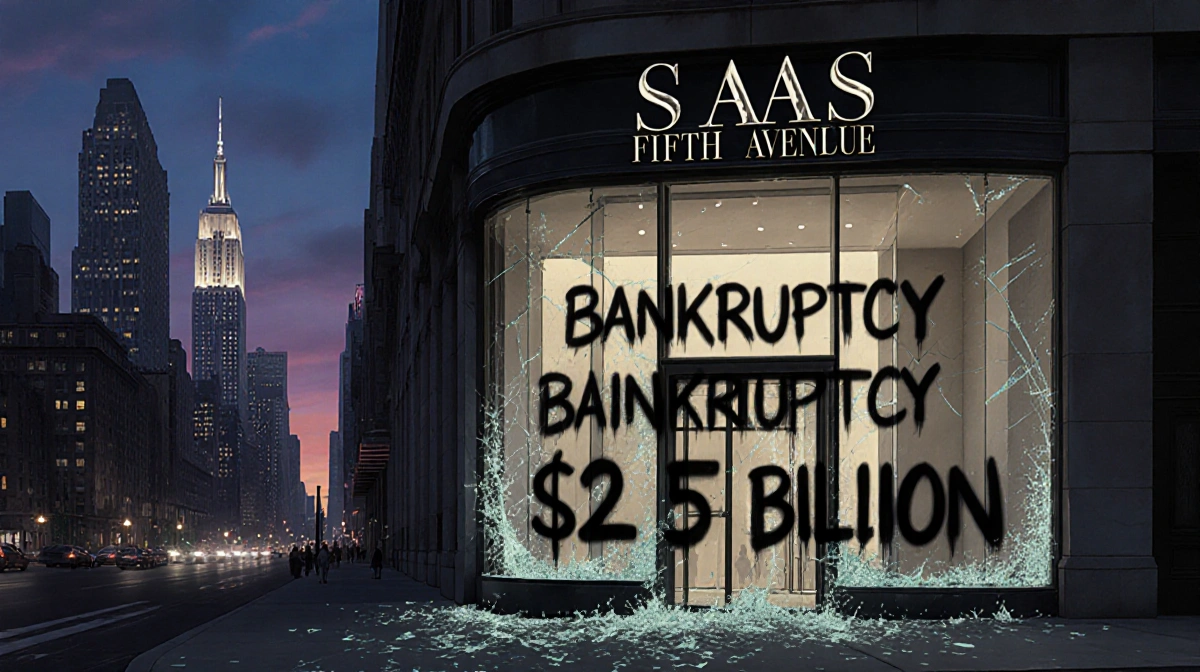
Just eight weeks after unveiling its Manhattan holiday light show, Saks Global Holdings has filed for Chapter 11 bankruptcy protection, undone by more than $2.5 billion in debt from its 2024 acquisition of Neiman Marcus.
At a Glance
- Saks Global Holdings filed for bankruptcy eight weeks after its flagship holiday event
- The company holds $2.5 billion in debt from the Neiman Marcus purchase
- Amazon’s $475 million stake is now “presumptively worthless”
- Stores will stay open during reorganization under a new $1.75 billion financing deal
- Why it matters: The bankruptcy signals deeper troubles for the traditional department store model, even as standalone luxury brands thrive
The filing marks a stunning reversal for the parent of Saks Fifth Avenue, Neiman Marcus, and Bergdorf Goodman, which had heralded its holiday display-complete with the Radio City Rockettes-as proof of a turnaround after canceling the 2023 show to save money.
Debt Load Crushes Retail Empire
Saks Global took on the massive debt load when it bought rival Neiman Marcus in 2024. Amazon, which invested $475 million to help fund that deal, objected in court and said its stake is now “presumptively worthless.”
“You had too much debt. You couldn’t pay your bills, and now they have to figure their way out of this in a new format,” said Dana Telsey, luxury and retail analyst at Telsey Advisory Group.
In a Wednesday release, Saks Global said it had “secured a financing commitment of approximately $1.75 billion” and promised all department stores will remain open during the Chapter 11 process.
Luxury Market Recovery Leaves Saks Behind
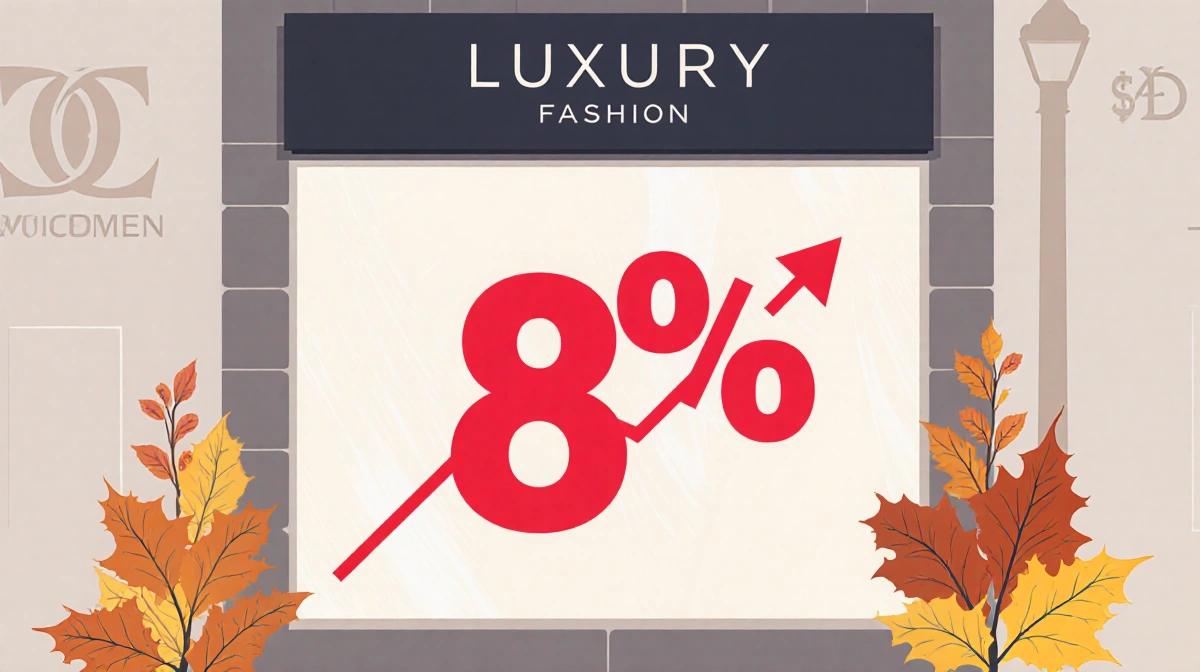
While global luxury sales slumped in 2024, recent data shows signs of recovery. Bank of America reported an 8% jump in luxury fashion spending during the first half of October versus the prior year.
“Recent improvement has been comforting investors that possibly the worst is over for luxury demand,” said Luca Solca, global luxury goods analyst at Bernstein.
That rebound bypassed Saks. The pandemic-era boom gave way to a 2024 collapse triggered by shifting consumer tastes and a sharp downturn in China’s housing market. Even as the broader market stabilized, Saks continued to lose ground.
Department Store Model Under Siege
Analysts say the bankruptcy reflects structural problems unique to department stores, not a luxury spending collapse.
“The Saks bankruptcy isn’t really about luxury declining. It’s about the department store model overall struggling,” said Jenna Rennert, contributing editor at Vogue. “Department stores really used to be the gateway to luxury. Today, they’re kind of the middleman that luxury brands no longer need.”
Shoppers have migrated from malls to standalone boutiques and online channels. Saks struggles to justify its role to luxury buyers who increasingly prefer direct brand relationships.
“This is a company-specific incident that occurred,” Telsey said. “Many of the other luxury brands who have their own stores-the Louis Vuittons, the Hermès-they are performing, and they’re able to attract customers.”
Standalone Brands Thrive
LVMH, the world’s largest luxury conglomerate, posted 1% year-over-year growth in its latest third quarter. The parent of Louis Vuitton, Christian Dior, Fendi, and Marc Jacobs has long served as a bellwether for the sector.
Rennert cautions against comparing LVMH’s performance with Saks’s struggles.
“LVMH is really doing well where department stores like Saks have struggled because it owns the brand and the customer experience,” she said.
K-Shaped Economy Widens Gap
Saks’s woes contrast with what economists term a K-shaped economy. Upper-income households, buoyed by rising home values and stock gains, keep spending on travel and luxury goods.
Confidence among shareholders is so high, McKinsey senior partner Colleen Baum said, that there is “even willingness to splurge-particularly among younger consumers.”
Meanwhile, lower- and middle-income households face pressure from inflation and a weakening labor market, forcing many to cut everyday spending.
Sales Slide for Two Years
Saks, privately held, doesn’t release quarterly earnings. Analysts at Bloomberg Second Measure estimate Saks Fifth Avenue store sales have dropped by double digits in nearly every quarter for the past two years. Saks declined to confirm those figures.
Path to Recovery
The company outlined a turnaround plan focused on:
- Selectively closing stores
- Repairing vendor relationships
- Paying down corporate debt
“Throughout this process, the 159-year-old company says, it will ‘remain focused on what has always defined the company: exceptional brands, trusted relationships and an unwavering commitment to its loyal customers.'”