
In 2025 a RAND report found that 12% of Americans had used a GLP-1 drug for weight loss and 14% were interested in trying one. That number shows the growing popularity of semaglutide, the active ingredient in Ozempic and Wegovy.
What Is Ozempic and How It Works
Ozempic is a prescription medication originally approved to treat Type 2 diabetes. Its active ingredient, semaglutide, is a synthetic version of the gut hormone GLP-1. When people eat, GLP-1 signals the brain that a meal has been consumed, reducing appetite and slowing stomach emptying. The same mechanism helps people feel full sooner.
Semaglutide is also sold under the brand Wegovy for weight management. Dr. Christopher McGowan, a gastroenterologist who runs a weight-loss clinic in Cary, North Carolina, tells TODAY.com that “Most people have understood Ozempic as kind of a catch-all for the GLP-1 class of medications.”
Dr. Maria Daniela Hurtado Andrade, an endocrinologist at the Mayo Clinic’s Precision Medicine for Obesity program, says the two drugs are technically the same. “Technically, they are exactly the same,” she explains, noting that Ozempic is approved for diabetes while Wegovy is approved specifically for obesity or overweight patients with a related complication.
Popularity, Cost, and Access
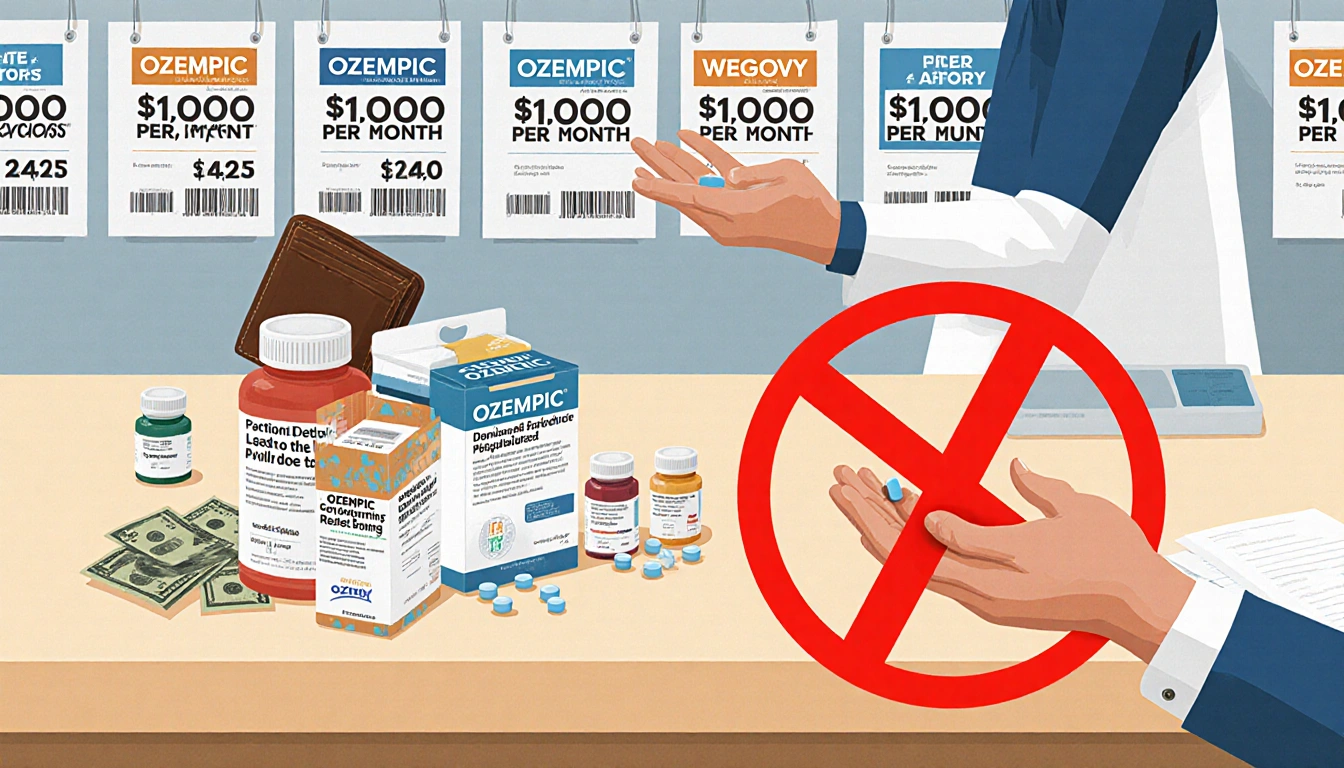
The 2025 RAND survey also revealed that many patients microdose semaglutide-taking smaller doses than recommended-to save money. Doctors warn against the practice. Ozempic and Wegovy list at about $1,000 a month when insurance does not cover them.
In the fall of 2025 Novo Nordisk announced a steep discount for select doses. The White House said it had reached a deal to lower the cost, and retailers Costco and Sam’s Club began selling the drugs at reduced prices. Semaglutide in pill form is in development and may broaden access when approved.
Women who are breastfeeding are increasingly interested in GLP-1 drugs for weight loss after giving birth, and some patients are already using them while nursing.
Efficacy and Health Benefits
Clinical data show that adults with obesity who take Wegovy lose an average of 15% of their body weight after one year and four months. A 2024 peer-reviewed study funded by Novo Nordisk found that four years after starting semaglutide, patients maintained an average weight loss of 10%.
Dr. Cecilia Low Wang, an endocrinologist at UCHealth and professor at the University of Colorado School of Medicine, tells TODAY.com that “On average, people lose a significant amount of weight. And along with that, other elements of their health then often get better, too.”
Wegovy has FDA approval to reduce heart attack and stroke risk. In 2025 the agency also approved it to treat metabolic-associated steatohepatitis (MASH), a serious liver disease. A 2025 study suggested that GLP-1 drugs, including semaglutide, “probably have little or no effect” on a person’s risk of developing obesity-related cancers.
Research also indicates semaglutide may reduce alcohol cravings, helping people with addiction.
Common and Serious Side Effects
The most frequent side effects reported by patients are nausea, stomach pain, diarrhea, constipation, and vomiting. The RAND survey found that about half of patients experienced nausea and one-third experienced diarrhea.
Wegovy patients may also report headache, fatigue, upset stomach, dizziness, bloating, belching, gas, stomach flu, heartburn, runny nose, or sore throat. Serious risks include possible thyroid tumors, pancreatitis, vision changes, low blood sugar, kidney failure, gallbladder problems, serious allergic reactions, increased heart rate, depression, or thoughts of suicide.
Muscle loss is a concern. Dr. Low Wang notes that current data do not show a greater loss of lean body mass than fat mass with semaglutide. Novo Nordisk reports no safety signal for lean mass loss. Both the company and experts advise prioritizing dietary protein to preserve muscle.
A large 2025 Nature Medicine study found an 11% increase in arthritis risk among GLP-1 users. Novo Nordisk said it is reasonable to assume semaglutide was among the medications studied and welcomed independent research on safety and efficacy.
In 2023 a woman with Type 2 diabetes sued Novo Nordisk, alleging Ozempic contributed to gastroparesis, or stomach paralysis. The company stated gastroparesis is a known risk for people with diabetes and that patient safety is paramount.
A 2023 JAMA study reported that GLP-1 medications may increase the risk of severe stomach problems such as gastroparesis. The authors cautioned that these adverse events are rare but should be considered for patients using the drugs for weight loss.
Eye complications have also been reported. A June 2025 study of older adults with Type 2 diabetes found that GLP-1 users had a higher risk of wet age-related macular degeneration (AMD). Among 139,000 Canadians aged 66 or older, 46,000 had taken a GLP-1 drug for at least six months. The absolute risk was 0.2% versus 0.1% for non-users. The study noted an association, not causality.
A 2025 JAMA Ophthalmology study reviewed nine people who took GLP-1 drugs, including four on semaglutide, and identified nonarteritic anterior ischemic optic neuropathy (NAION), a rare eye injury that can cause blindness. The authors said causality could not be determined without larger trials.
Novo Nordisk says the benefit-risk profile remains unchanged. The company notes that semaglutide’s efficacy and safety have been demonstrated in over 30 clinical trials, with more than 22 million patient years of exposure.
Long-Term Use and Safety
Obesity is a chronic condition that requires chronic treatment. Dr. Low Wang says it is likely a lifelong medication. Dr. Hurtado Andrade adds that stopping the drug would likely lead to weight regain.
Dr. McGowan cautions that patients who discontinue GLP-1 medication may experience extreme hunger and rapid weight regain. He says “Someone who’s considering taking a GLP-1 medication like semaglutide must plan to take it indefinitely.”
Dr. Zhaoping Li, professor of medicine at UCLA, says “I understand there is an argument that obesity is a chronic disease like hypertension, diabetes, and once you need to be on it, you should be on it for lifetime. But I don’t think the data is there for the effectiveness of this class of drug on a long-term basis. There is a potential, but we’re not there.”
Novo Nordisk states that no new safety signals have emerged after many years of use. The company works closely with the FDA to monitor safety and says it is constantly on the lookout for new side effects.
Patients who notice sudden vision loss should stop taking the drugs and see a doctor immediately, advises Dr. Bradley Katz, lead author of the 2025 eye study.
Key Takeaways
- 12% of Americans used a GLP-1 drug for weight loss in 2025, with 14% interested in trying one.
- Semaglutide, the active ingredient in Ozempic and Wegovy, can produce 15% average weight loss after one year and 10% after four years.
- Common side effects include nausea and diarrhea; serious risks involve thyroid tumors, pancreatitis, vision changes, and rare eye complications.
- The drugs are generally considered safe for long-term use, but monitoring for side effects remains essential.
The growing use of Ozempic and Wegovy reflects both their effectiveness in weight management and the increasing willingness of patients to pay for GLP-1 therapy, even as cost-cutting measures and new formulations expand access. While the drugs show strong benefits for weight loss and related health improvements, patients and clinicians must remain vigilant about side effects and the need for ongoing treatment.