At a Glance
- A Minnesota federal judge has barred federal officers from detaining or tear-gassing peaceful protesters observing immigration operations.
- The ruling restricts vehicle stops and arrests without reasonable suspicion or probable cause.
- The case was filed by six activists represented by the ACLU of Minnesota.
- Why it matters: The decision limits federal authority during immigration crackdowns and protects First Amendment rights of observers.
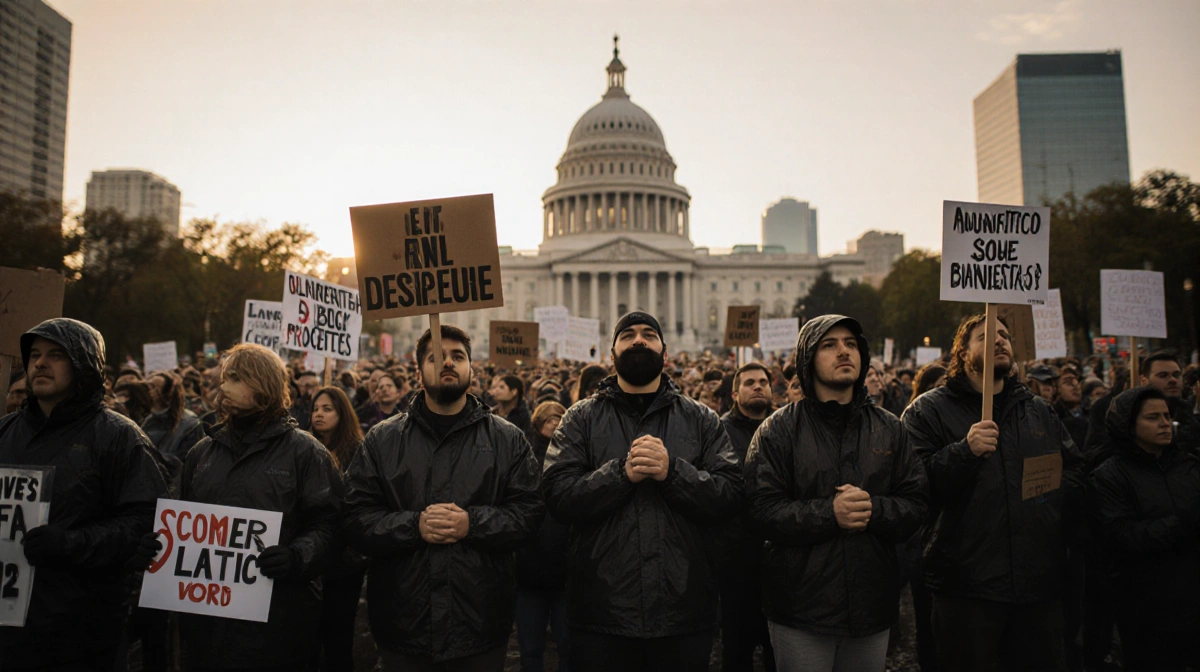
A federal judge in Minnesota has issued a ruling limiting the actions of federal officers conducting immigration enforcement operations in the Minneapolis-St. Paul area. U.S. District Judge Kate Menendez ruled that officers cannot detain or use tear gas against peaceful protesters who are not obstructing their activities.
The ruling comes in response to a lawsuit filed in December on behalf of six Minnesota activists who have been monitoring Immigration and Customs Enforcement (ICE) and Border Patrol operations. These activists are among thousands observing the Trump administration’s immigration crackdown that began last month.
Restrictions on Federal Authority
The judge’s order specifically prohibits several actions by federal officers:
- Detaining or tear-gassing peaceful protesters who aren’t obstructing operations
- Stopping vehicles when there’s no reasonable suspicion of obstruction
- Arresting people without probable cause or reasonable suspicion of a crime
The ruling states that “safely following agents at an appropriate distance does not, by itself, create reasonable suspicion to justify a vehicle stop.” This clarification protects the rights of observers monitoring federal activities from a distance.
Since the immigration crackdown began, federal agents and demonstrators have repeatedly clashed. The situation escalated significantly after an immigration agent fatally shot Renee Good in the head on January 7 as she drove away from a scene in Minneapolis. The incident was captured on video from multiple angles.
Government Response
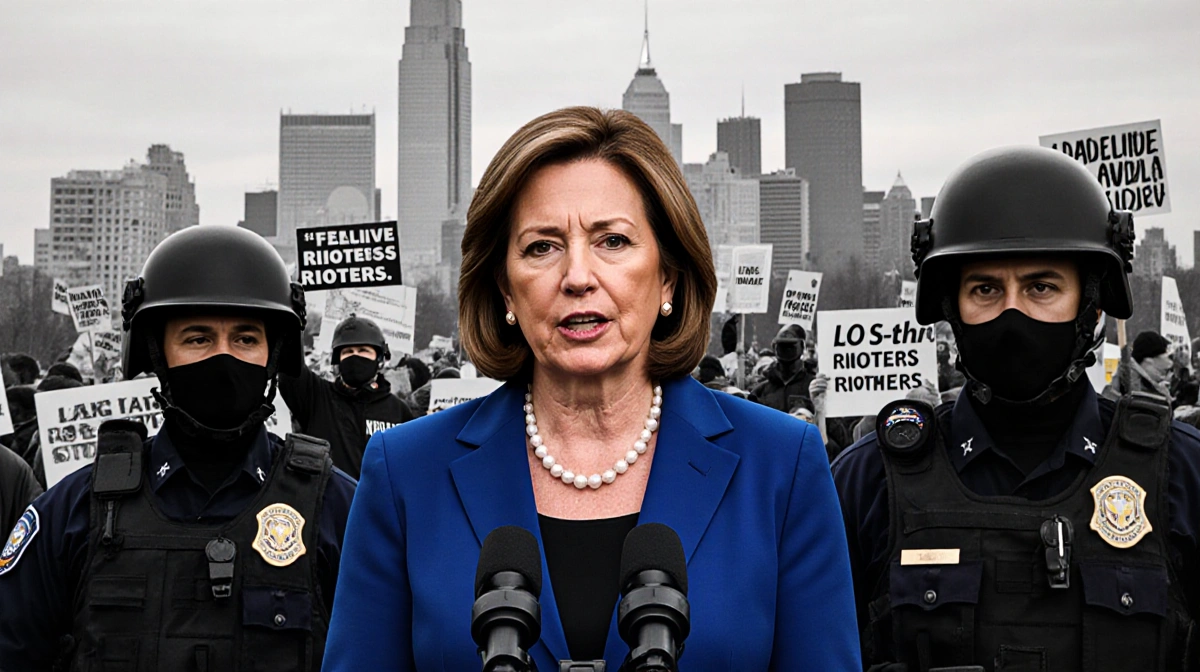
Following the ruling, U.S. Department of Homeland Security Assistant Secretary Tricia McLaughlin issued a statement defending the agency’s actions. She stated that the Department was taking “appropriate and constitutional measures to uphold the rule of law and protect our officers and the public from dangerous rioters.”
McLaughlin detailed alleged assaults on officers, including:
- People assaulting officers
- Vandalism of vehicles and federal property
- Attempts to impede officers from performing their duties
“We remind the public that rioting is dangerous – obstructing law enforcement is a federal crime and assaulting law enforcement is a felony,” McLaughlin said.
The American Civil Liberties Union (ACLU) of Minnesota, representing the activists, did not respond to requests for comment on Friday night.
Related Legal Proceedings
Judge Menendez is also presiding over a separate lawsuit filed Monday by the state of Minnesota and the cities of Minneapolis and St. Paul. This case seeks to suspend the enforcement crackdown entirely. While some legal issues overlap with the activists’ case, the judge declined to grant the state’s request for an immediate temporary restraining order during a hearing on Wednesday.
State Assistant Attorney General Brian Carter emphasized the need for de-escalation, telling the judge: “What we need most of all right now is a pause. The temperature needs to be lowered.”
Judge Menendez acknowledged that the issues raised by the state and cities are “enormously important.” However, she noted the case involves complex constitutional and legal questions with few direct precedents. She ordered both sides to file additional briefs next week.
Broader Implications
The ruling represents a significant check on federal authority during immigration enforcement operations. By establishing clear boundaries for when officers can detain or arrest individuals, the decision provides constitutional protections for protesters and observers.
The judge’s emphasis on requiring reasonable suspicion for vehicle stops and probable cause for arrests reinforces Fourth Amendment protections against unreasonable searches and seizures. This is particularly relevant as tensions continue between federal immigration authorities and local communities.
The case highlights ongoing conflicts between federal immigration enforcement priorities and local concerns about civil liberties. As the legal proceedings continue, the boundaries between legitimate law enforcement activities and constitutional rights remain at the forefront of the debate.
Key Takeaways
- Federal officers must have reasonable suspicion to detain observers or stop vehicles
- Peaceful protest activities are protected even during immigration enforcement operations
- The ruling applies specifically to the Minneapolis-St. Paul area operations
- Additional legal challenges to the crackdown are pending in federal court