At a Glance
- AI tools now guide collectors on which Pokemon cards to chase and where to find them
- Building a top-tier deck can cost up to $3,000 and require thousands of pack pulls
- Google Gemini maps out rare-card hotspots, from Tokyo shops to local hidden gems
- Why it matters: Trainers can save cash and time by letting algorithms pinpoint the best hunting grounds and predict pull odds before ripping packs
AI is crashing the Pokemon Trading Card Game, and collectors are listening. Daniel J. Whitman, a former Niantic staffer who worked on Pokemon Go, tested three AI systems to see if they can outsmart the cardboard lottery. The results show bots can forecast prices, locate foreign booster boxes, and even design tournament-ready fairy decks-provided you’re ready to drop serious cash.
Know Your Type Before You Burn Cash
Claude, the Anthropic chatbot, builds decks from whatever cards you already own. Daniel J. Whitman fed it a pile of retired fairy types-now folded into the psychic category-and asked for two battle-ready lists. Within seconds the AI spat back Synergy ratings, energy counts, and a shopping list of missing staples.
The takeaway: trainers who skip this step often overspend on singles that look cute but flop in competition. Letting a model optimize your strategy first can trim the fat from your wish list.
The $3,000 Reality Check
Julius AI, a market-analysis bot, crunched real-time resale data on eBay, TCGplayer, and Japanese auction sites. A single Prismatic Sylveon in gem-mint condition can fetch $400, but the pull rate sits at roughly 1 in 1,440 packs. Julius estimates chasing a full playset could take 2,800 booster packs and drain up to $3,000 retail.
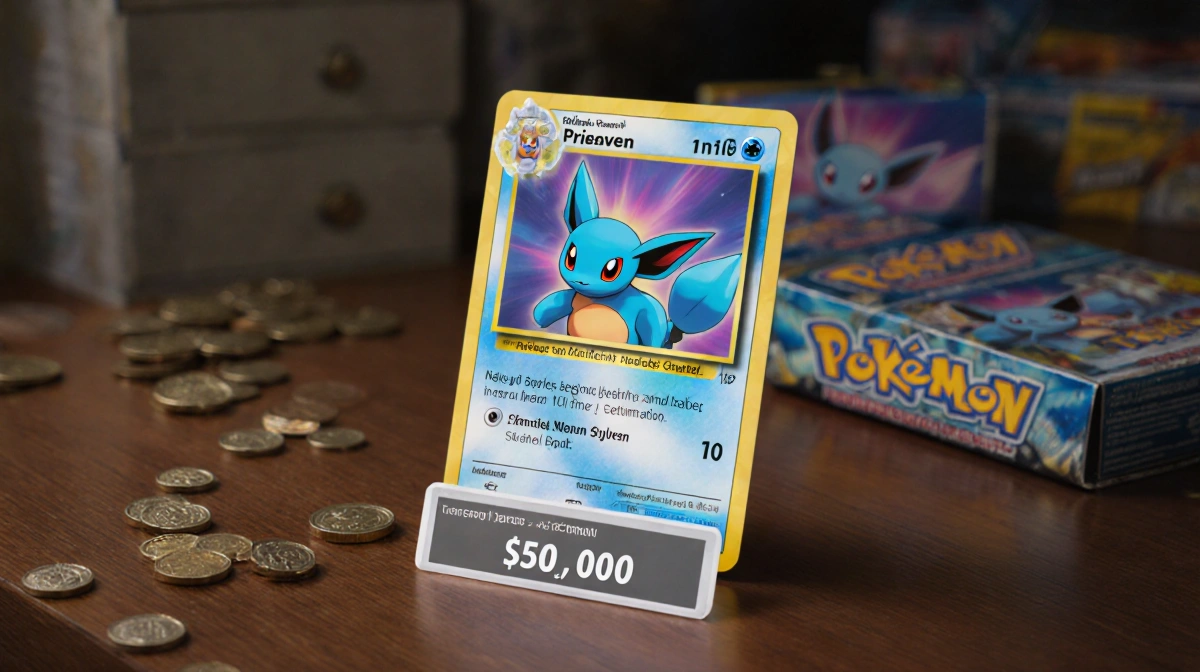
- Pack price average: $4.29 at big-box stores
- Secondary-market markup: 30-50 percent on out-of-print sets
- Break-even probability: under 8 percent unless you hit multiple secrets
Hunt Smarter, Not Harder
Google Gemini overlays Maps with card-shop waypoints. Daniel J. Whitman used it to flag Tokyo retailers stocking limited Japanese exclusives-items rarely listed online. The AI also filters by real-time inventory tweets, so you don’t trek to Shibuya only to find empty shelves.
Domestically, the same trick works: search “Pokemon TCG” plus your ZIP code and Gemini returns independent hobby stores that post restock photos, often hours before chains update websites.
Key Takeaways
- Use Claude to blueprint your deck before buying singles
- Run Julius AI simulations to decide whether chasing a $400 hologram is worth the gamble
- Fire up Google Gemini to locate foreign or limited packs while traveling
- Budget at least $3,000 if you want a shot at top-tier pulls-anything less and the odds turn brutal